
Repair TipsLocal Guides
Can wet hardwood floors in your basement be saved?
Yes - most wet hardwood floors in a Newport basement can be saved if drying starts within 24-48 hours. Here's how to tell, and what restoration actually involves.
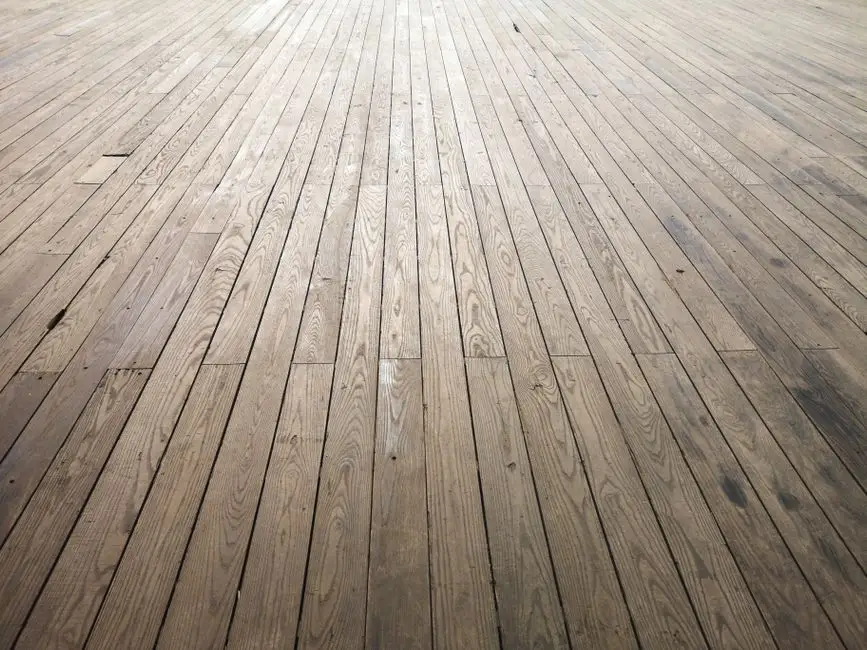
Yes - most wet hardwood floors in a basement can be saved if drying starts within 24 to 48 hours of the water event. Solid 3/4-inch oak and maple, the two most common basement hardwoods in Newport, tolerate a single clean-water soak far better than homeowners expect, and full replacement is usually unnecessary when the boards are dried, sanded, and refinished correctly. What follows is how we decide whether a floor is a save or a tear-out, what the drying process looks like hour by hour, and what restoration costs in this market.
The short answer: yes, usually - if you act fast
Can wet hardwood floors in your basement be saved is really a question about timing and water source, not about the wood itself. Wood is hygroscopic - it absorbs and releases moisture with its surroundings - and that same property is what lets us dry it back down without destroying the board.
The two variables that decide the outcome are how long the floor has been wet and what kind of water soaked it. Clean water from a supply line, a failed sump pump, or a window well overflow is almost always a save. Category 3 water - sewage backups or groundwater that pushed up through a floor drain - changes the math entirely, because the boards are contaminated and often have to come out.
We've pulled up floors in Newport that sat wet for four days and were still salvageable after aggressive drying. We've also condemned floors that were only wet for 12 hours because a sewer line backed up into them. Time matters, but source matters more.
If you're dealing with a flooded basement right now, the priority is getting the standing water out before anything else. Our team handles basement flood cleanup Newport KY around the clock, and extraction is always step one.
How long can hardwood floors stay wet before damage in Newport KY?
Hardwood floors in Newport KY start showing permanent damage after roughly 48 hours of continuous moisture, and the window closes fast after that. The first 24 hours are the golden window - that's when extraction, air movement, and dehumidification can pull moisture back out of the boards with minimal cupping.
Here's what happens on a timeline:
- 0-24 hours: Boards absorb water through the seams and end grain. Surface finish may look fine. Cupping is minimal or invisible.
- 24-48 hours: Cupping becomes visible - edges of each board rise, centers dip. This is still reversible with proper drying.
- 48-72 hours: Crowning can begin (the opposite of cupping - centers rise). Mold spores activate. Finish starts to cloud or lift.
- 72+ hours: Boards may delaminate, buckle, or crack. Mold colonization is likely. Salvage rate drops sharply.
Newport's housing stock makes this worse than it sounds. A lot of the basements in the West Side and along the riverfront were built between 1890 and 1930, and the subfloors under those old hardwoods are often tongue-and-groove pine with no vapor barrier. That subfloor wicks water sideways, so the wet zone is almost always wider than the visible stain.
We measure moisture content with pin meters at multiple points across the floor - not just where the water pooled. A floor that reads 12% at the edge of the puddle and 22% three feet away tells us the water traveled. That's the kind of detail that decides whether we can save the floor or have to replace sections.
Signs wet hardwood floors in Newport can be saved
Signs wet hardwood floors in Newport can be saved usually show up as reversible cupping, intact finish, and no odor. If you can answer yes to most of the following, you're likely looking at a restoration rather than a replacement.
- The water was clean (supply line, rain, sump overflow) - not sewage or gray water.
- It's been less than 48 hours since the floor got wet.
- The boards are cupped but not crowned - edges up, centers down.
- The finish is intact or only slightly hazy. No peeling, no white rings.
- No musty smell, no visible mold on the joists or subfloor.
- The floor is still flat when you walk across it - no soft spots, no bounce.
- Moisture meter readings are under 20% at the wettest point.
If two or more of those are false, the floor is probably a partial or full replacement. We've walked into basements in Newport where the homeowner had already pulled up half the floor before calling - and in most of those cases, the boards they removed were salvageable. Pulling boards up too early is one of the most expensive mistakes we see.
If you're not sure which side of the line you're on, a moisture detection and inspection Newport KY visit will tell you in about 30 minutes. We map the wet zone, check the subfloor, and give you a straight answer on save vs. replace.
How to save water damaged hardwood floors in a Newport, Kentucky basement
How to save water damaged hardwood floors in a Newport, Kentucky basement comes down to five steps, in this order. Skipping any one of them - especially the drying - is why so many DIY saves fail three weeks later.
1. Stop the water and extract what's standing
Kill the source first. If it's a supply line, shut the valve. If it's a sump failure, you'll need the pit pumped before anything else. Standing water keeps feeding the floor, and every hour it sits there, the wet zone grows.
We use truck-mounted extraction units that pull water out of the seams and down into the subfloor, not just off the surface. A wet-vac from the hardware store gets the top 1/8 inch. That's not enough.
2. Set up drying equipment - and leave it running
This is the step homeowners most often cut short. A proper drying setup for a 300-square-foot basement floor is roughly 4 to 6 air movers plus a commercial dehumidifier, running continuously for 3 to 5 days. The goal is to bring the wood's moisture content down to 8-10%, which matches the equilibrium for Newport's average indoor humidity.
We monitor with pin meters every 24 hours and adjust equipment placement as the wet zone shrinks. If you shut the dehumidifier off at night to save electricity, you're adding days to the process and risking mold.
3. Sand and refinish once moisture is back to normal
Once the boards read 8-10% on a meter, the cupping has usually relaxed. If minor cupping remains, a drum sanding pass takes it out. We sand the full floor - not just the wet area - because a partial sand leaves a visible seam in the finish that gets worse over time.
Three coats of water-based polyurethane is standard for basements. Oil-based holds up slightly better against moisture but takes 24 hours between coats and smells for days.
4. Replace only what can't be saved
Individual boards that are cracked, delaminated, or crowned get cut out and replaced with matching stock. For pre-1940 homes in Newport, matching old-growth oak is a real challenge - the grain and color don't match modern milled stock. We source reclaimed flooring when we can, and we feather the stain to blend the patch.
5. Address the reason it flooded
A saved floor that floods again next spring isn't really saved. If the water came in through a window well, a failed sump, or a foundation crack, that's the next conversation. Our hardwood floor water damage restoration Newport KY service includes a walkthrough of the entry point so you're not doing this again in six months.
What restoration actually costs in 2026
Typical 2026 pricing in the Newport area runs $3.50 to $6.50 per square foot for drying and refinishing a salvageable hardwood floor, and $8 to $14 per square foot when boards need to be replaced. A 250-square-foot basement floor that just needs drying and a recoat lands around $900 to $1,600. The same floor with 40 square feet of board replacement pushes into the $2,400 to $3,800 range.
For comparison, full replacement of that same 250-square-foot floor with new oak runs $4,000 to $7,000 installed - and that's before you deal with the subfloor. Restoration is almost always the cheaper path when the floor is a candidate.
Insurance usually covers the drying and restoration if the water event is a covered peril - burst pipe, appliance failure, sump backup if you have the endorsement. Groundwater flooding is typically excluded unless you carry a separate flood policy through NFIP. We document moisture readings, photos, and equipment logs so your adjuster has what they need.
What to watch out for
The biggest mistake we see in Newport basements is waiting to see if the floor dries on its own. It won't. A closed basement with no air movement holds moisture for weeks, and by the time the cupping is obvious, mold is already in the subfloor.
Other things that turn a save into a tear-out:
- Running a household fan. It moves air but doesn't remove moisture. You need a dehumidifier pulling gallons per day.
- Turning up the heat. Heat without dehumidification just bakes the moisture into the wood and warps it faster.
- Pulling up boards to "let them dry." Once a tongue-and-groove board is removed, it rarely goes back flat. Leave them in place unless they're already ruined.
- Ignoring the subfloor. If the subfloor is still wet when you refinish, the new finish will cloud within weeks.
- Not checking for mold. Mold can colonize a wet subfloor in 48 to 72 hours. If you smell anything musty, get it tested before you close the floor back up.
If there's any doubt about mold, a mold inspection and testing Newport KY visit is cheap insurance. We'd rather tell you the floor is clean than have you find out the hard way in three months.
When to call a professional
Call a professional when the wet area is larger than about 20 square feet, when the water has been sitting for more than 24 hours, or when you can't identify the source. Those three conditions cover about 80% of the basement floor calls we get in Newport.
You should also call if the water came from a sewage backup, if you see any mold, or if the floor is already cupping visibly. Homeowners in older riverfront neighborhoods - especially around the East Row Historic District and the streets that slope toward the Ohio - deal with groundwater intrusion more often than the rest of the city, and those floors need a different approach than a one-time supply line leak.
Newport Basement Flood Pros handles the full sequence: extraction, drying, moisture mapping, board replacement, refinishing, and the waterproofing work that keeps it from happening again. We work directly with your insurance adjuster and we don't leave until the floor reads dry on a meter.
Frequently Asked Questions
Can wet hardwood floors in my basement be saved in Newport KY?
Yes, in most cases - if drying begins within 24 to 48 hours and the water was clean. Solid hardwood tolerates one soak well when it's dried properly. Sewage-contaminated water or a floor wet longer than 72 hours usually means partial or full replacement.
How do I know if my wet hardwood floors are salvageable in Newport?
Look for cupping without crowning, intact finish, no musty odor, and moisture readings under 20%. If the boards are flat, the finish is holding, and the water was clean, you're likely looking at a restoration. A moisture meter check takes 30 minutes and gives you a definitive answer.
How long can hardwood floors stay wet before damage in Newport KY?
Permanent damage starts around 48 hours. Cupping is reversible in the first 24 to 48 hours with proper drying equipment. After 72 hours, expect mold colonization, crowning, and possible delamination - at that point, replacement is often the cheaper path.
Does insurance cover wet hardwood floor restoration in Newport?
Usually yes, if the water event is a covered peril - burst pipe, appliance failure, or sump backup with the endorsement. Groundwater flooding typically requires a separate NFIP flood policy. We document moisture readings and equipment logs to support your claim.
Can I dry the floor myself with fans and a dehumidifier?
For a small spill under 20 square feet, maybe. For anything larger, a household dehumidifier can't pull enough moisture fast enough. Professional drying uses commercial units that remove 10 to 20 gallons per day, which is what it takes to hit 8-10% moisture content in 3 to 5 days.
Get help with Basement Flood Cleanup in Newport
If your basement floor is wet right now, the clock is running. We handle Basement Flood Cleanup Newport KY with same-day response, and we'll tell you straight whether your hardwood is a save or a replace before we start any work.
Call +18598328132 and we'll get a crew to your door.