Written scope
What we will dry and how
When water lands in your basement, basement drying and dehumidification Newport KY is the only way to stop mold and save your floors. We pull standing water, set commercial air movers and dehumidifiers, and dry your walls and slab to IICRC standards. Homeowners in Newport, Kentucky call us after sump pump failures, sewage backups, and storm flooding. We answer 24/7 and start drying the same day.
Every drying job includes the inspection, extraction, drying equipment, daily monitoring, and final verification. Add-ons like mold remediation, waterproofing, or sump pump repair are quoted separately if your basement needs them. Here is what you get on a standard drying call in Newport.
We dry basements in houses, townhomes, and rentals across Newport. You get extraction, air movers, dehumidifiers, and daily readings until the structure is dry.
We dry below-grade storage, mechanical rooms, and commercial basements with minimal disruption to your operation. Work is scheduled around your hours and documented for your records.
Basement drying and dehumidification is the controlled removal of moisture from a flooded or damp basement using extraction equipment, high-velocity air movers, and commercial dehumidifiers. It is not a fan pointed at a puddle. We use moisture meters and a thermal imaging camera to map exactly where water traveled inside your walls, under your slab, and behind your baseboards. Then we dry the structure to documented readings, not to the touch. That difference is what keeps mold from growing three weeks after the water is gone.
Newport sits along the Ohio River, and the older housing stock near Downtown Newport and The Point takes on water in predictable ways. Hydrostatic pressure pushes through foundation cracks, window well overflow dumps into basement stairwells, and clogged gutter downspouts send roof water straight to your footing drain. If you search for basement drying and dehumidification near me Newport, you need a crew that understands Campbell County soil and century-old block walls. We do.
We dry to a number, not to the touch, and we show you the readings.
Every job follows the same sequence, whether it is a small seep or a full sewage backup. Here is what you can expect from the first phone call to the final moisture reading.
You call, we ask a few questions about the water source and depth, and we roll a truck. For active flooding in Newport, we aim to be on site within 60 to 90 minutes. If the water is still coming in, we help you shut off the supply or stop the source before anything else.
We walk the basement with a moisture meter and thermal imaging camera to find every wet zone. A boroscope inspection camera checks inside wall cavities. We photograph readings and identify whether the water is clean, gray, or contaminated, because that changes the safety gear and disposal plan.
Standing water comes out first with a truck-mounted water extractor or a submersible sump pump for deep pools. A wet/dry shop vacuum handles the edges and low spots. For sewage backup, we use a sewage pump and disinfect every surface the water touched before drying begins.
We position air movers along the walls and set commercial dehumidifiers to pull moisture out of the air. A typical Newport basement runs 3 to 5 days of drying, and we check readings daily. Equipment stays until the structure hits the dry standard, not until the floor looks dry.
On the last day we take moisture readings in every affected area and compare them to the dry standard. If anything is still high, the equipment stays another day at no extra charge. We remove our gear, leave the space clean, and hand you the drying log for your records.
Pulls large volumes of standing water fast, which shortens the drying timeline and reduces secondary damage to floors and walls.
Used for deep standing water where an extractor cannot reach, including flooded stairwells and low spots in the slab.
Removes moisture from the air so wet materials can release water. Sized to the cubic footage of the basement, not the square footage.
High-velocity fans positioned along walls and floors to evaporate moisture from surfaces and push humid air toward the dehumidifier.
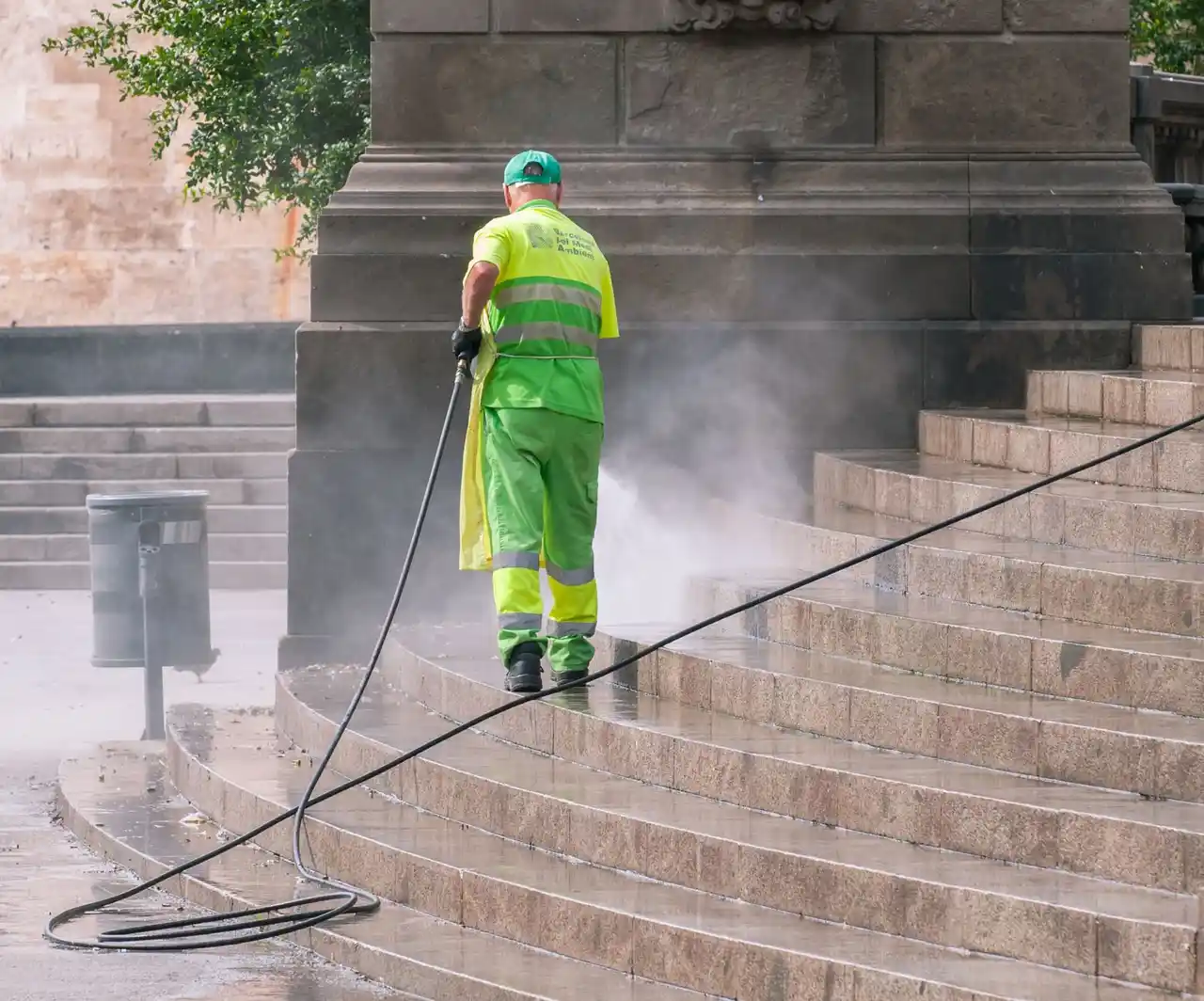
Measures moisture content in materials and relative humidity in the air. These readings define the dry standard and confirm when the job is done.
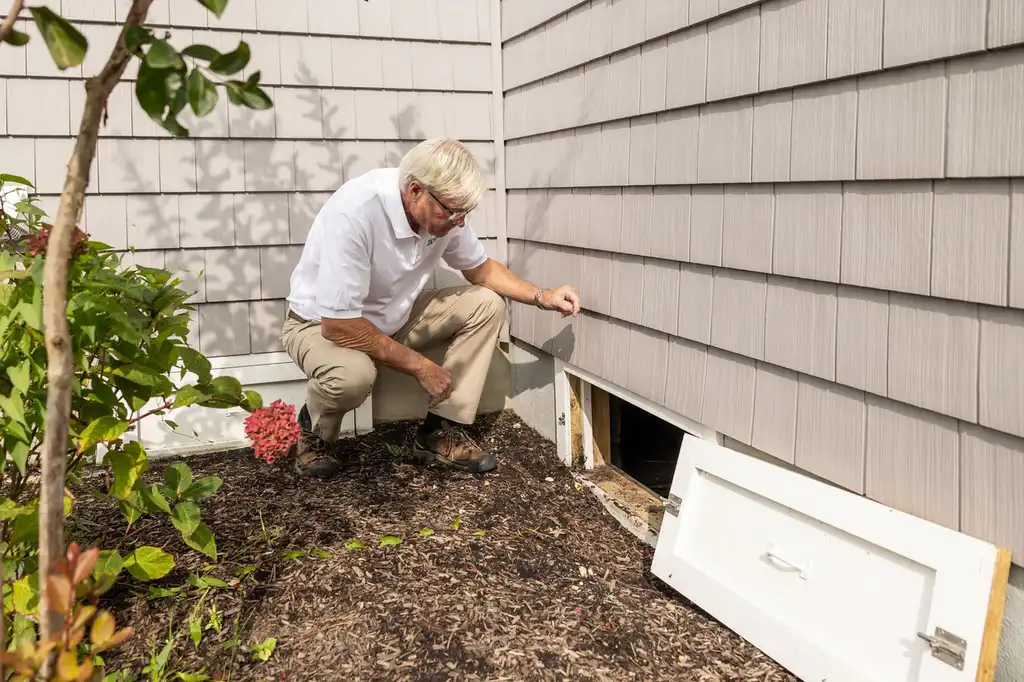
Finds hidden moisture behind walls and under floors by reading temperature differences, so we do not miss a wet cavity.
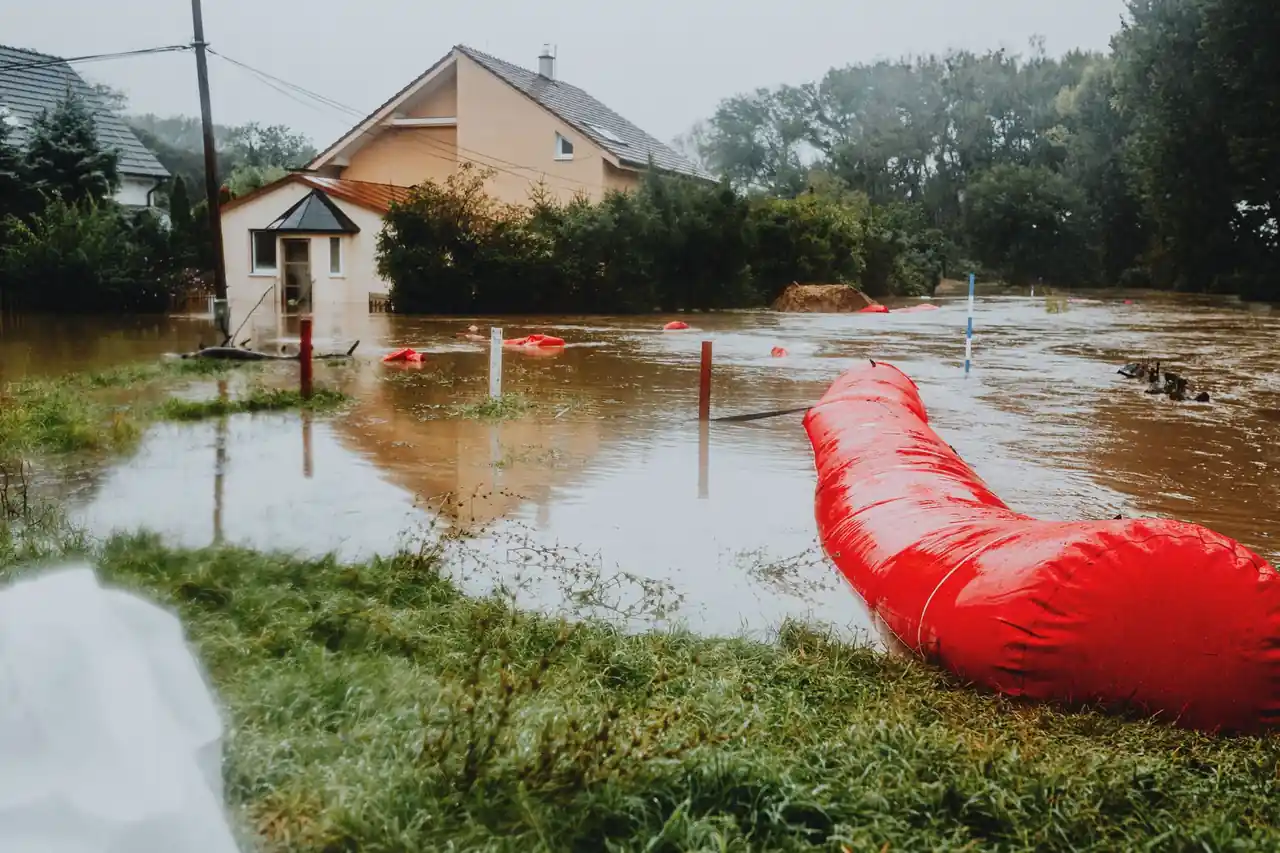
Lets us look inside wall cavities and under baseboards without tearing the wall open, confirming where water traveled.

We follow the IICRC S500 standard for water damage restoration, which sets drying goals based on an unaffected reference area in your home. Daily readings are compared to that dry standard until the structure passes.
We arrive, pump out the standing water with a submersible sump pump, extract the edges, and set air movers and dehumidifiers. We check the pump and discharge line while we are there so you know why it failed. The basement dries in 3 to 4 days, and you have a working pump and a drying log for your records.
We treat it as contaminated water: sewage pump extraction, removal of saturated carpet and pad, disinfectant and antimicrobial treatment, then commercial drying of the framing and slab. The space is sanitized and dry, the odor is gone, and the affected materials are removed so mold does not grow behind the walls.
We inspect with a moisture meter, thermal imaging camera, and hygrometer to find the hidden source. Often it is a foundation crack, a failed vapor barrier, or crawl space moisture feeding the basement. You get a clear diagnosis and a drying plan, plus a repair recommendation so the dampness does not come back next season.
We shut down the source if it is still active, extract the water, cut out wet drywall and insulation, and dry the framing and slab with commercial equipment. Daily readings confirm when the cavity is dry. The structure is dry in 3 to 5 days, and the wall is ready for repair instead of replacement.
We inspect and document the moisture, dry the affected areas to the dry standard, and provide readings that show the basement is dry. If there is a repair needed, we quote it separately. You get documentation that satisfies the buyer and the lender, and the closing stays on schedule.
Newport basements flood for reasons that are specific to this area. The Ohio River sits at the north edge of town, and when it runs high, the water table rises with it. That pushes water through foundation cracks and floor seams in older homes near The Point and Downtown Newport, even when it has not rained hard. Add in the age of the housing stock, much of it built with block foundations and no modern drainage, and you get basements that take on water in predictable patterns. We see sump pump failures every spring, sewage backups in homes with aging sewer laterals, and window well overflow during summer storms. Campbell County building practices mean many basements were finished without a vapor barrier, so once water gets in, it stays in the materials longer. That is why we dry to a documented standard instead of guessing. If you search for 24/7 basement dehumidification in Newport, Kentucky, you want a crew that knows how these basements behave. We do, and we bring the equipment to prove it.
A failed sump pump left two inches of water across a 900-square-foot finished basement. Carpet, pad, and the bottom 12 inches of drywall were saturated, and the space smelled musty within a day.
We extracted the water, removed the pad, cut out the wet drywall, and ran air movers and dehumidifiers for four days. Final moisture readings matched the dry standard, and the basement was ready for new pad and paint.
We replaced the sump pump with a Zoeller unit and a check valve, and recommended a yearly test before spring rains. The homeowner now checks the discharge line every fall.
A floor drain backed up during a storm and sent contaminated water across a finished basement. Carpet, baseboard, and several boxes of stored items were soaked, and the odor was strong.
We pumped out the water with a sewage pump, removed the affected carpet and baseboard, disinfected every surface, and dried the framing and slab for five days. The odor was gone and readings confirmed the structure was dry.
We recommended a sewer line inspection and a backwater valve to prevent the next backup. The homeowner also moved stored items onto shelving off the floor.
A block foundation wall seeped water after every heavy rain, keeping a 600-square-foot basement damp and musty. A moisture meter read high along the entire wall base and the floor seam.
We dried the wall and floor to the dry standard over three days, then repaired the cracks with hydraulic cement and polyurethane sealant. A French drain with perforated drain pipe and gravel now moves water away from the footing.
We cleaned and rerouted the gutter downspouts to discharge six feet from the foundation. The homeowner checks the downspouts each fall and the basement has stayed dry since.
Most Newport basement water calls fall into a handful of patterns. Knowing which one you have tells us what equipment to bring and how long drying will take.

We pump out the water, dry the structure with air movers and dehumidifiers, and repair or replace the pump. We install Little Giant, Zoeller, and Wayne pumps with a check valve so the next storm does not repeat the problem. Water rises fast and soaks carpet, drywall, and stored items before you notice. Mold can start within 24 to 48 hours.
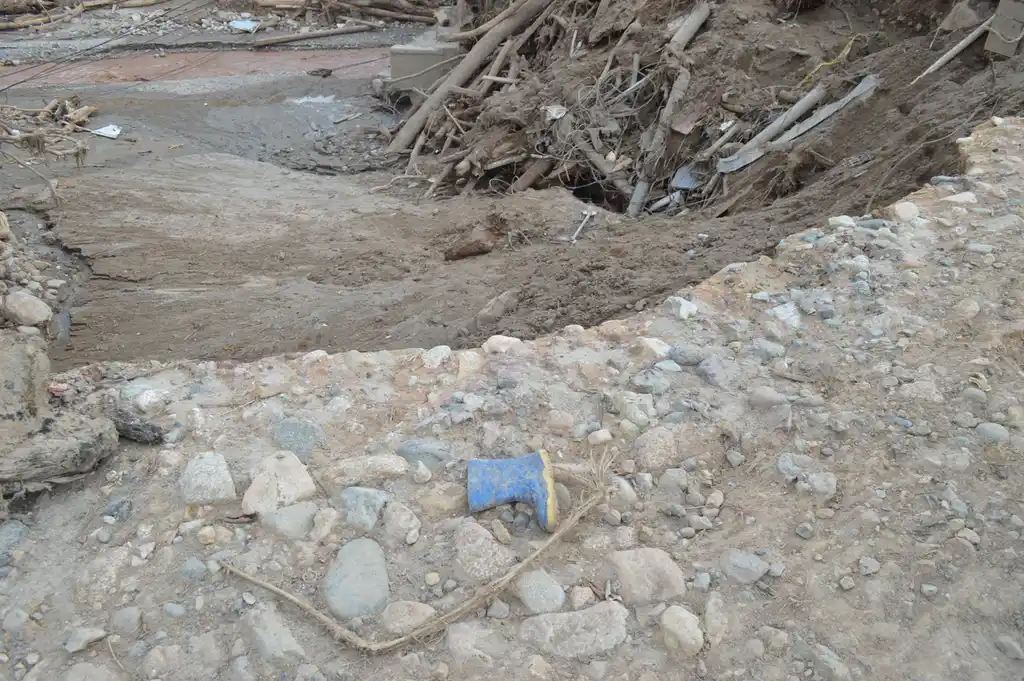
We treat it as a contaminated job: sewage pump extraction, removal of affected materials, disinfectant and antimicrobial solution, then structural drying. Our crews hold IICRC AMRT training for this work. Contaminated water carries bacteria and creates a health hazard and a strong odor that does not go away on its own.
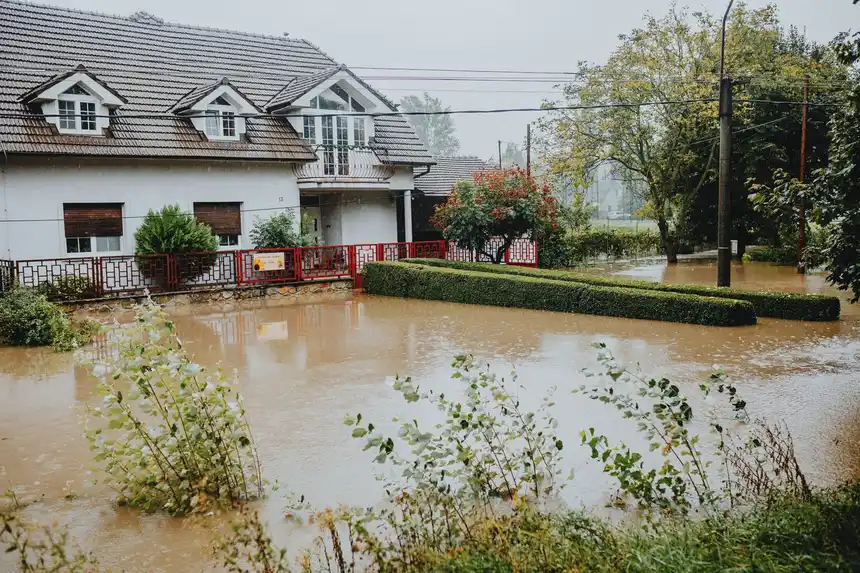
We dry the basement first, then repair cracks with hydraulic cement, epoxy crack filler, and polyurethane sealant. If the water is coming from the footing, we install a French drain with perforated drain pipe and gravel. Water seeps through block walls and floor seams every time the water table rises, keeping the basement damp and feeding mold.
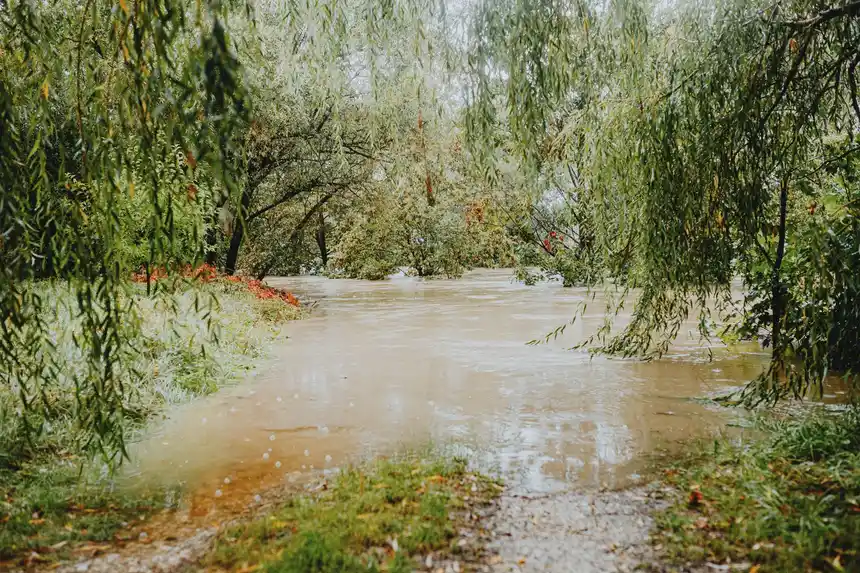
We clean and reroute gutter downspouts, improve window well drainage, and dry the affected area. Fixing the water path is what stops the repeat flooding after we leave. Roof and surface water dumps against the foundation and into basement stairwells, flooding the same corner over and over.
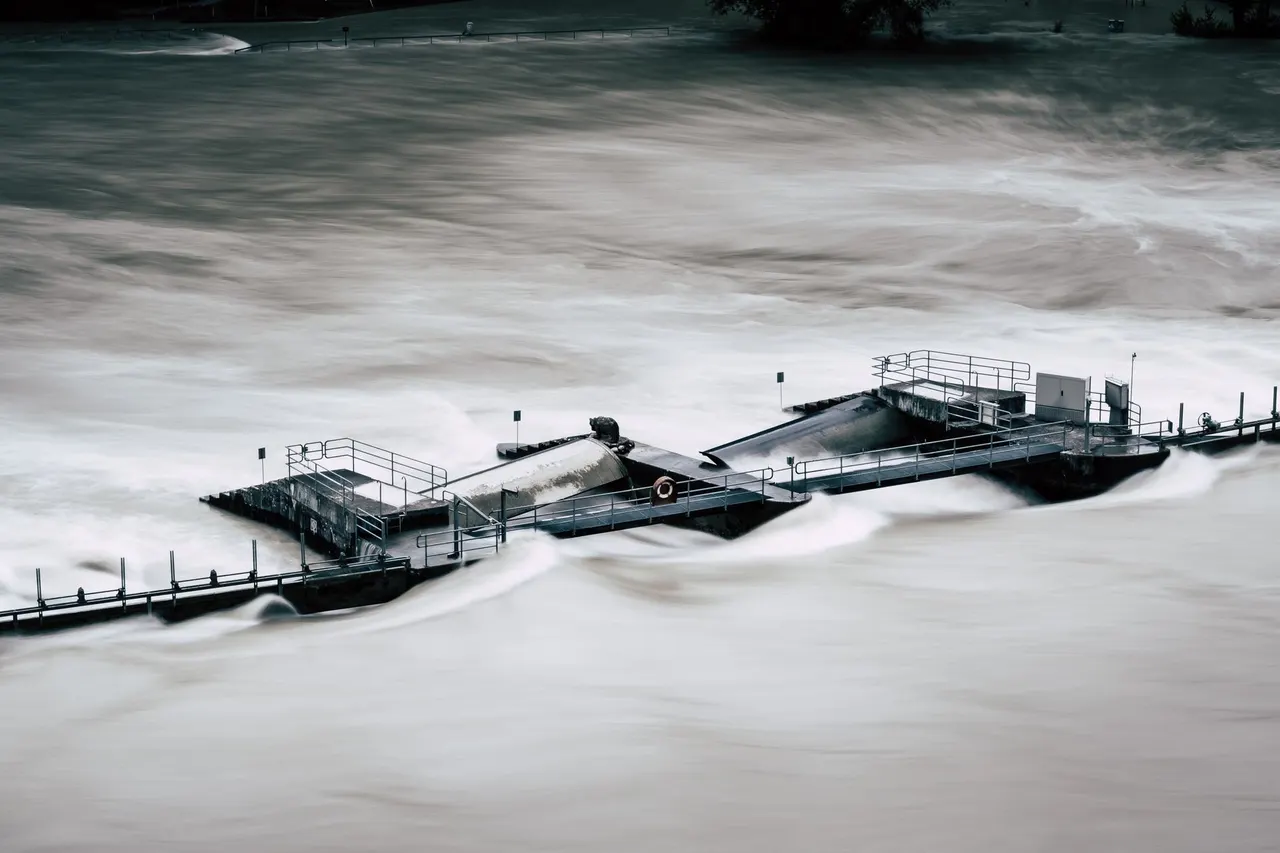
We remove standing water, dry the space, and install a vapor barrier or crawl space liner. Encapsulation stops ground moisture from re-wetting the space and keeps the basement dry. Humidity in the crawl space rots joists, warps floors above, and pushes musty air into the living space year round.
Mold growth can begin on wet drywall and framing within 24 to 48 hours. We start extraction and air movement the same day you call, which cuts that window down hard. Our technicians hold IICRC AMRT training, so they spot the early signs of microbial growth and treat affected areas with antimicrobial solution before it spreads.
Wet drywall wicks water upward fast, and warped hardwood floors rarely come back once they cup. We use a boroscope inspection camera to check wall cavities and a hygrometer to read humidity in the room. Drying those materials in place often saves thousands compared to tear-out and replacement.
We dry to IICRC S500 drying goals, which means daily moisture meter readings logged for your records. You get a dry standard based on an unaffected part of your home, not a guess. That documentation matters for insurance claims and for proving the job was done right.
Musty odors are a symptom, not the problem. Once the structure is dry, we run an ozone generator and treat surfaces to knock down the smell at the source. Most Newport homeowners notice the difference the same day the equipment comes out, and the basement stops smelling like a wet dog.
Clear records you can keep and share.
What we will dry and how
Moisture log for your records
Readings compared to dry standard
Pumping water out of a basement is not the same as drying it. Water hides in drywall, insulation, and slab edges long after the floor looks dry.
A wet wall cavity stays damp for weeks without air movement. A moisture meter finds it; your hand does not.
Mold can start on wet materials within 24 to 48 hours. Fast extraction and air movement shrink that window.
We compare affected areas to an unaffected part of your home. The job ends when readings match, not when the floor looks dry.
Outside these areas? Call and ask - we may still be able to help. +18598328132
Most residential jobs in Newport run $500 to $2,800 in 2026, depending on square footage, water category, and how many days of drying you need. A small clean-water seep might be under $700. A finished basement with sewage backup and affected drywall can run higher. We quote the scope before we start, so you know the number going in.
We do. Newport Basement Flood Pros handles basement dehumidification in Newport, Kentucky and the surrounding Campbell County area, including Bellevue Avenue, The Point, and Fifth Ward. We carry commercial dehumidifiers and air movers on our trucks, so we are not renting equipment and adding days to your job. Call and we will schedule an inspection.
A typical Newport basement takes 3 to 5 days of active drying with commercial equipment. Small, open, unfinished basements with clean water can dry in 2 to 3 days. Finished basements with wet drywall, insulation, or carpet take longer because those materials hold moisture. We check readings daily and pull equipment only when the structure hits the dry standard.
If more than a small puddle is involved, yes. Household dehumidifiers and box fans cannot move enough air to dry wall cavities and slab edges, and they leave hidden moisture behind. That hidden moisture feeds mold and musty odors. Professional basement dehumidification in Newport, Kentucky uses commercial equipment sized to the space and readings to prove the job is done.
Water in the basement gets worse every hour it sits. We answer the phone, quote the job upfront, and start drying the same day. Call now and we will tell you exactly when we can be at your door.
Reach us at +18598328132 any time, day or night. We answer emergency calls around the clock and schedule standard estimates during business hours. Tell us the water source, how deep it is, and whether it smells like sewage - that tells us what to bring. We serve all of Newport and Campbell County.