Moisture log
Daily readings from extraction to dry standard
Hardwood floor water damage restoration Newport KY is the work of pulling standing water out of oak and maple boards, drying the subfloor, and refinishing the surface before cupping becomes permanent. We handle wood floor water extraction in Newport, Kentucky for homeowners in Campbell County whose basements, kitchens and first floors took on water from a failed sump pump, a backed-up drain or a storm. Call +18598328132 and we roll the same day.
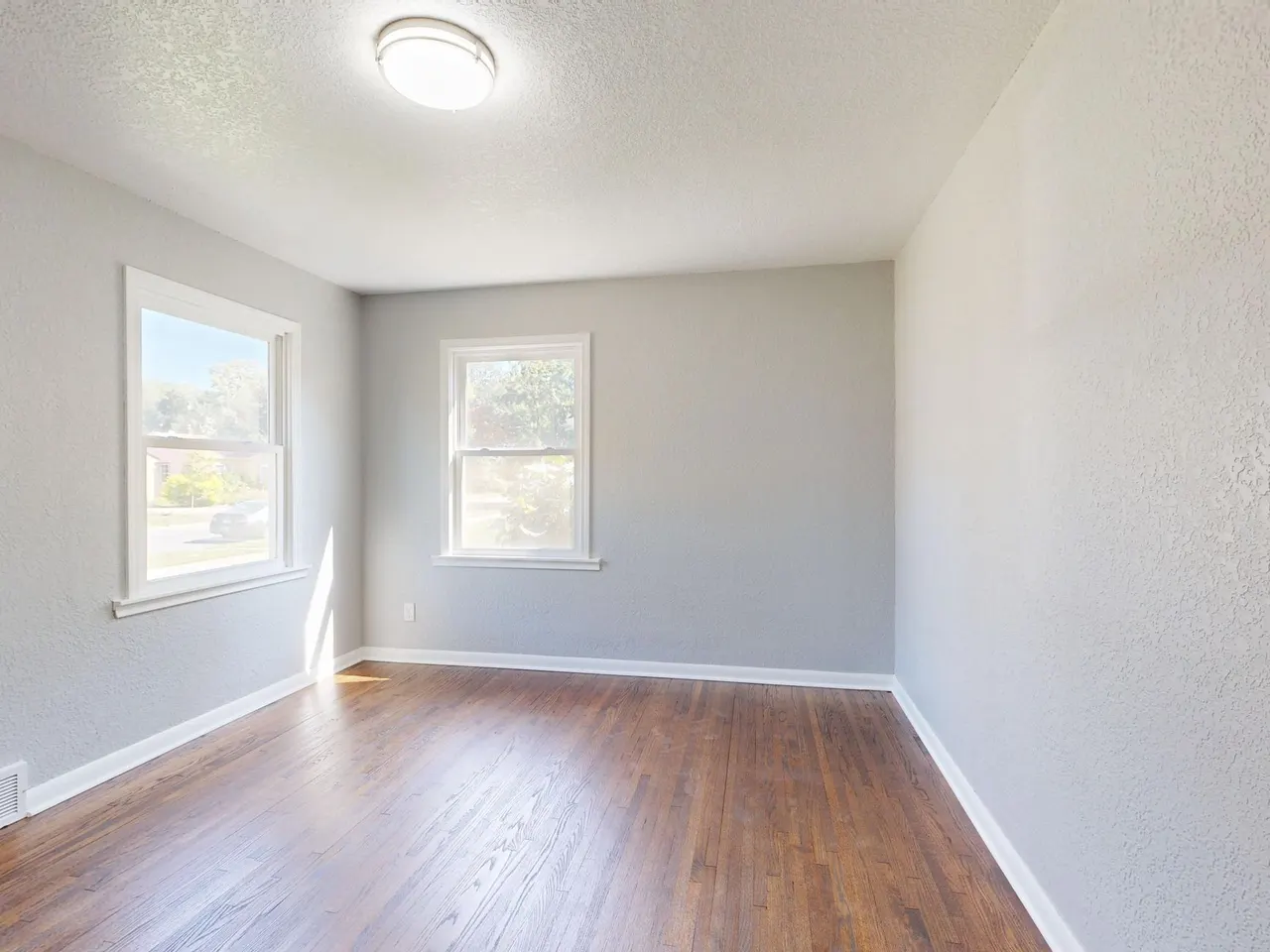
Every job starts with inspection and moisture mapping, then moves through extraction, drying, and refinishing. The list below covers what is standard on a Newport hardwood floor water damage restoration job. If your floor needs structural repair, mold remediation or a full board replacement, we scope that separately and tell you before we start.
We dry and refinish hardwood floors in Newport homes after leaks, backups and storms. You get moisture readings at every visit so you can see the floor getting dry.
We work around your hours to dry and refinish wood floors in Newport commercial spaces. The goal is to get the room back in service without a full replacement.
Hardwood floor water damage restoration Newport KY is the trade of removing water from solid and engineered wood flooring, drying the boards and subfloor to a measured moisture content, then sanding and refinishing so the floor looks like nothing happened. Water wicks into the tongue-and-groove seams first, which is why a floor can look dry on top while the edges are still soaked. We use a moisture meter and thermal imaging camera to map the wet zone, then run air movers and dehumidifiers until the readings match a dry reference board.
Most of the calls we get in Newport start the same way: a sump pump quits during a spring storm, a supply line lets go under the kitchen sink, or a toilet backs up into the hallway. Water sits on the floor for a few hours and the planks start to cup at the seams. By the time you notice the musty odor, moisture has already reached the subfloor. That is why we treat wood floor water extraction in Newport, Kentucky as an emergency, not a scheduled remodel.
Water on hardwood is a countdown, so we extract first and measure before we sand.
Five steps, from the first phone call to the final finish coat. Here is exactly what happens when we work on your floor in Newport.
You call +18598328132 and describe what happened. We ask about the water source, how long it has been sitting, and whether the floor is solid oak or engineered. A crew arrives with a truck-mounted water extractor and a portable extraction unit, usually within a couple of hours for Newport addresses.
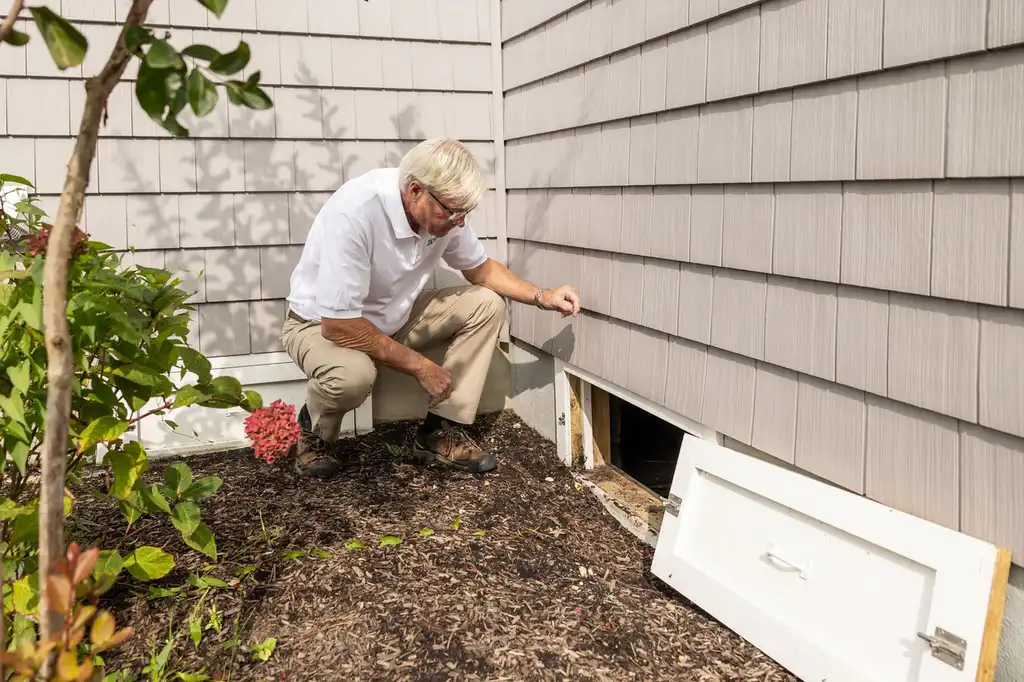
We walk the room with a moisture meter, a thermal imaging camera and a hygrometer to find every wet board and the subfloor beneath it. A boroscope inspection camera checks the joist cavity if the water came from below. You get a marked-up floor plan showing wet zones, dry zones and the dry standard we are aiming for.
Standing water comes up first with a submersible sump pump or a wet/dry shop vacuum, then the truck-mounted extractor pulls water out of the seams. We use a RIDGID or Shop-Vac unit for tight corners and a DeWalt or Milwaukee wet vac for the last film of water. This step takes two to four hours in a typical Newport basement room.
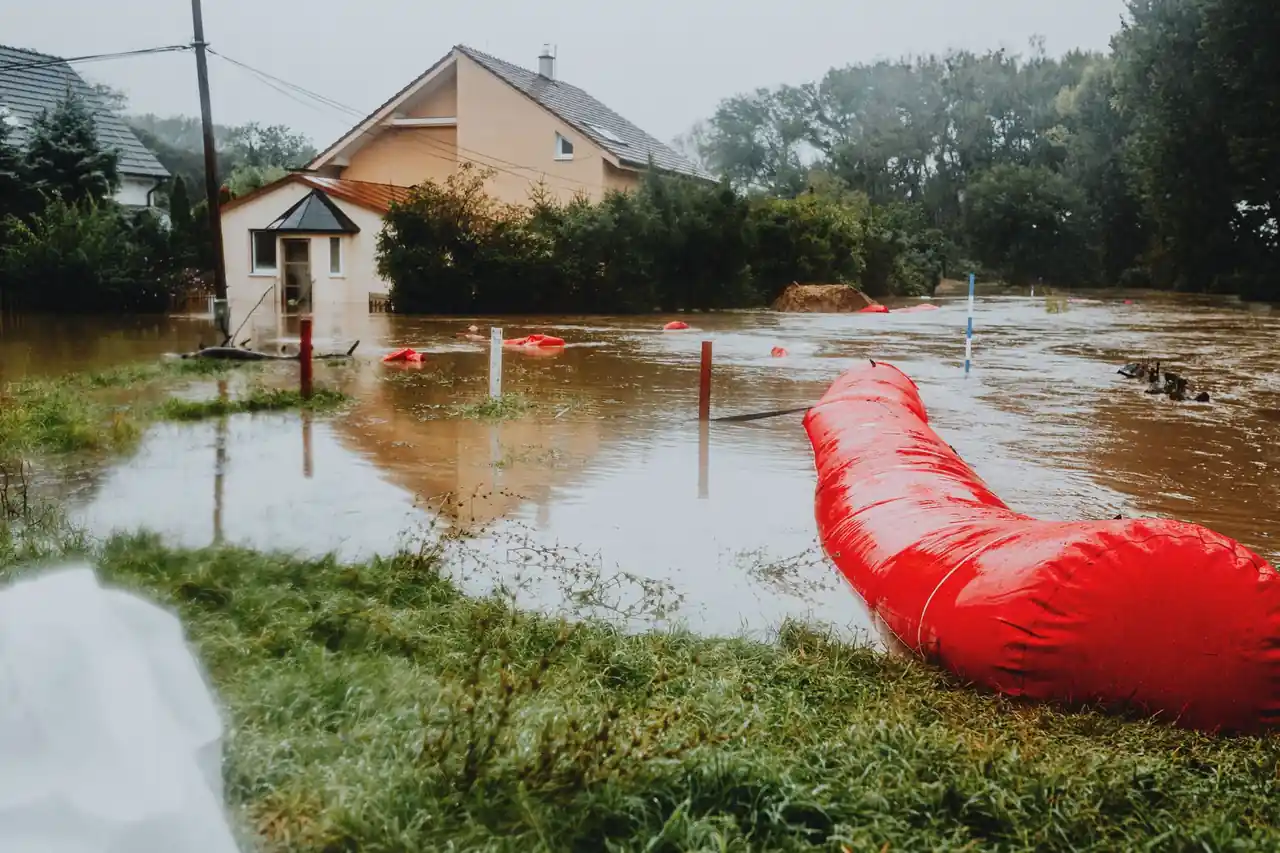
We set air movers and a Dri-Eaz or Phoenix Restoration Equipment dehumidifier to pull moisture out of the boards and the air. Every 24 hours we come back, take fresh readings and adjust the equipment. Most floors hit the dry standard in three to five days, depending on board thickness and how long the water sat.

When the readings say dry, we sand out the cupped edges, fill any cracks with epoxy crack filler or polyurethane sealant, and apply a finish coat. Baseboard and drywall that got wet get cut back and replaced. You get a final walkthrough, a moisture log and a maintenance sheet before we pack up.

Pulls water out of the tongue-and-groove seams at high volume. It is the fastest way to get standing water off a hardwood floor before the boards cup.
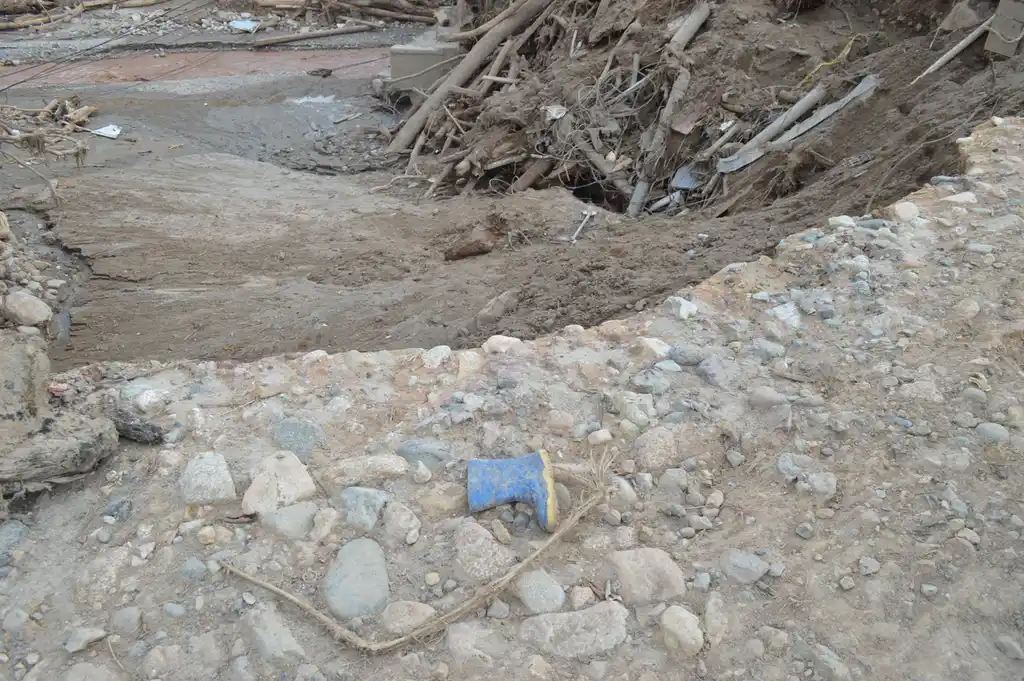
Clears deep standing water in a basement before extraction begins. We run a Little Giant or Zoeller unit to drop the level fast, then switch to extraction for the last inch.
Handles tight corners, closets and stair landings where a truck mount cannot reach. A DeWalt or Milwaukee wet vac finishes the last film of water on the boards.
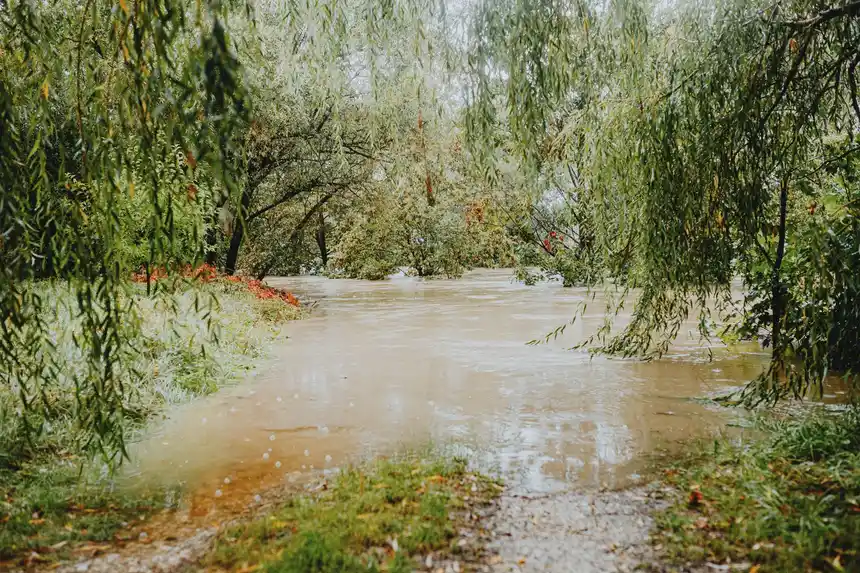
Dries the boards and the air in the room. Air movers speed evaporation at the surface while the dehumidifier pulls moisture out of the air so it does not re-wet the floor.

Measures moisture content in the wood and relative humidity in the room. We log readings at every visit and compare them to the dry standard before sanding.
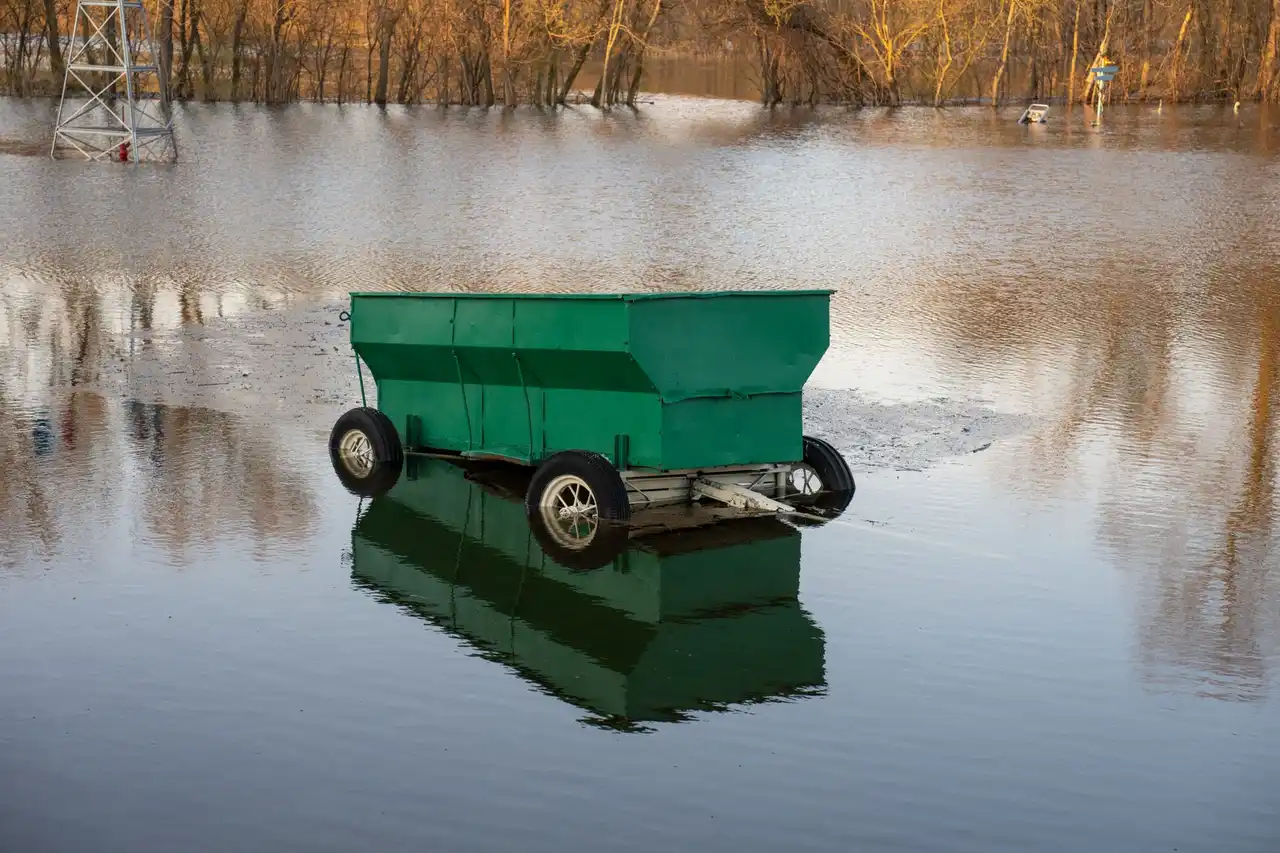
Finds hidden moisture behind baseboard and under the subfloor. The thermal camera shows temperature differences; the boroscope lets us look inside the joist cavity without tearing it open.
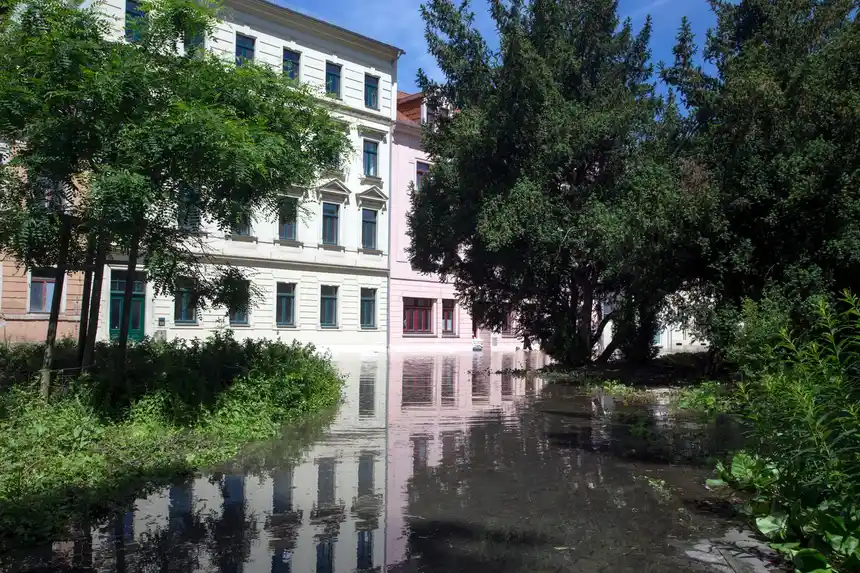
Removes musty odors after the floor is dry. We run it in an empty room and air the space out before you move back in.

We set drying goals using the IICRC S500 standard and measure against a dry reference board from the same floor. That is how we know when to stop running equipment and start sanding.
We answer 24/7 and dispatch a crew with a truck-mounted extractor and portable unit. Water comes up fast, then we set air movers and a dehumidifier and start daily monitoring. Boards that would have cupped overnight are dried in place and refinished. You avoid a full floor replacement and the room is back in use within a week.
We pump out the standing water, extract from the seams, and check the subfloor with a moisture meter and boroscope inspection camera. If the pump is dead, we install a replacement with a check valve and discharge pipe. The hardwood dries to a measured standard, the pump is running again, and you have a moisture log for your insurance claim.
We locate the leak, map the wet zone with a thermal imaging camera, and dry the boards and subfloor. If mold is present, we remediate before sanding and refinishing. The odor is gone, the cupping is sanded out, and the floor gets a fresh finish coat. You also get a maintenance note on checking that line each season.
We extract the water, dry the floor and cavity, and clear the drainage path. Gutter and downspout fixes plus a foundation crack repair stop the next storm from doing the same thing. The floor dries without replacement, and the drainage work keeps water away from the foundation through the rest of the rainy season.
Newport sits on the Ohio River, and that shapes almost every wet-floor call we run. Spring storms and rapid snowmelt push the river up, the water table rises, and sump pumps across the city work overtime. When one quits, water hits the basement floor and wicks into the hardwood above. The city's older housing stock, much of it built before 1978, has original oak floors that cup fast but also dry well if we get to them within 48 hours. Newer builds off Broadway and in Brenton Village often have engineered flooring, which is less forgiving. We pull Campbell County permits when a repair crosses into structural work, and we follow EPA Lead-Safe Certification rules in pre-1978 homes. If you need 24/7 wood floor water extraction in Newport, Kentucky, call +18598328132 and we will tell you on the phone whether the floor is savable. Most of our calls come from ZIP codes 41071 and 41072.
A Zoeller sump pump quit during an April storm and left an inch of water across 400 square feet of finished basement oak. The boards were cupped at every seam and the room smelled musty.
We extracted the water in three hours, ran air movers and a Dri-Eaz dehumidifier for four days, and logged moisture content dropping from 24 percent to 9 percent. Sanding and a fresh finish coat had the floor looking original.
We replaced the pump with a Liberty Pumps unit and a check valve. Test the float every spring before storm season and keep the discharge pipe clear.
A slow leak under the sink soaked the subfloor for weeks before a tenant noticed the cupping. About 120 square feet of oak was affected, and mold had started in the cabinet base.
We cut out the wet drywall and baseboard, dried the cavity, and remediated the mold. The floor dried to a 9 percent reading in four days, then we sanded and refinished the whole kitchen so the repair blended.
Check the supply line and shutoff valve each fall. A five dollar washer is cheaper than a floor.
A sewage backup pushed contaminated water into a finished basement and ruined about 80 square feet of original oak. The boards had to come out and the subfloor needed disinfection.
We removed the ruined boards, disinfected the subfloor with antimicrobial solution, and rebuilt with matched oak. After sanding and a finish coat, the room was back in service in six days with no visible patch.
Have the main line jetted every two years and keep a backwater valve on the basement drain to stop the next backup.
Most hardwood floor losses in Newport trace back to one of a handful of sources. Here is what we see and how we handle it.

We pump out the standing water, extract from the seams, and dry the boards with air movers and dehumidifiers. Then we replace the failed pump with a Zoeller, Wayne or Liberty Pumps unit and test it before we leave. Water rises fast and soaks the bottom of the hardwood above, cupping boards within a day. Mold can start in 24 to 72 hours if the floor stays damp.

We find the leak, shut it down, and map the wet zone with a moisture meter and thermal imaging camera. Extraction and drying follow, then we sand and refinish the affected boards so the repair blends. A slow leak soaks the subfloor for weeks before you notice. By then the boards have cupped and the smell has set in. Insurance often covers it if you document the loss.
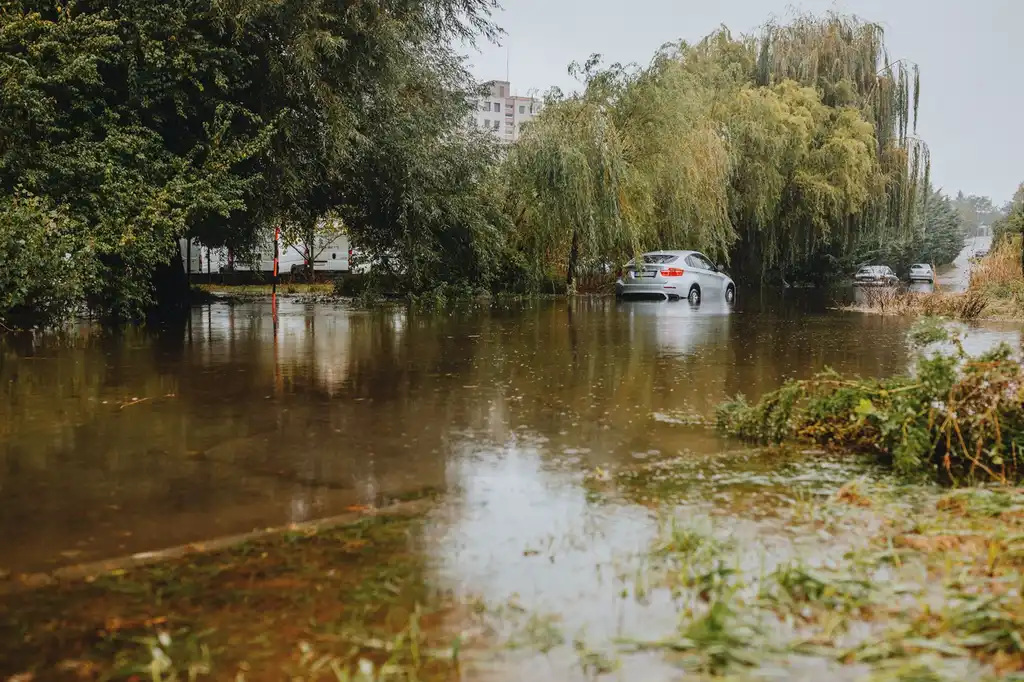
We remove the ruined boards, disinfect the subfloor with antimicrobial solution, and dispose of the waste per Kentucky rules. Then we rebuild with matched oak and refinish the room. Contaminated water ruins hardwood on contact and creates a health hazard. The affected boards almost always have to come out, and the subfloor needs disinfection.
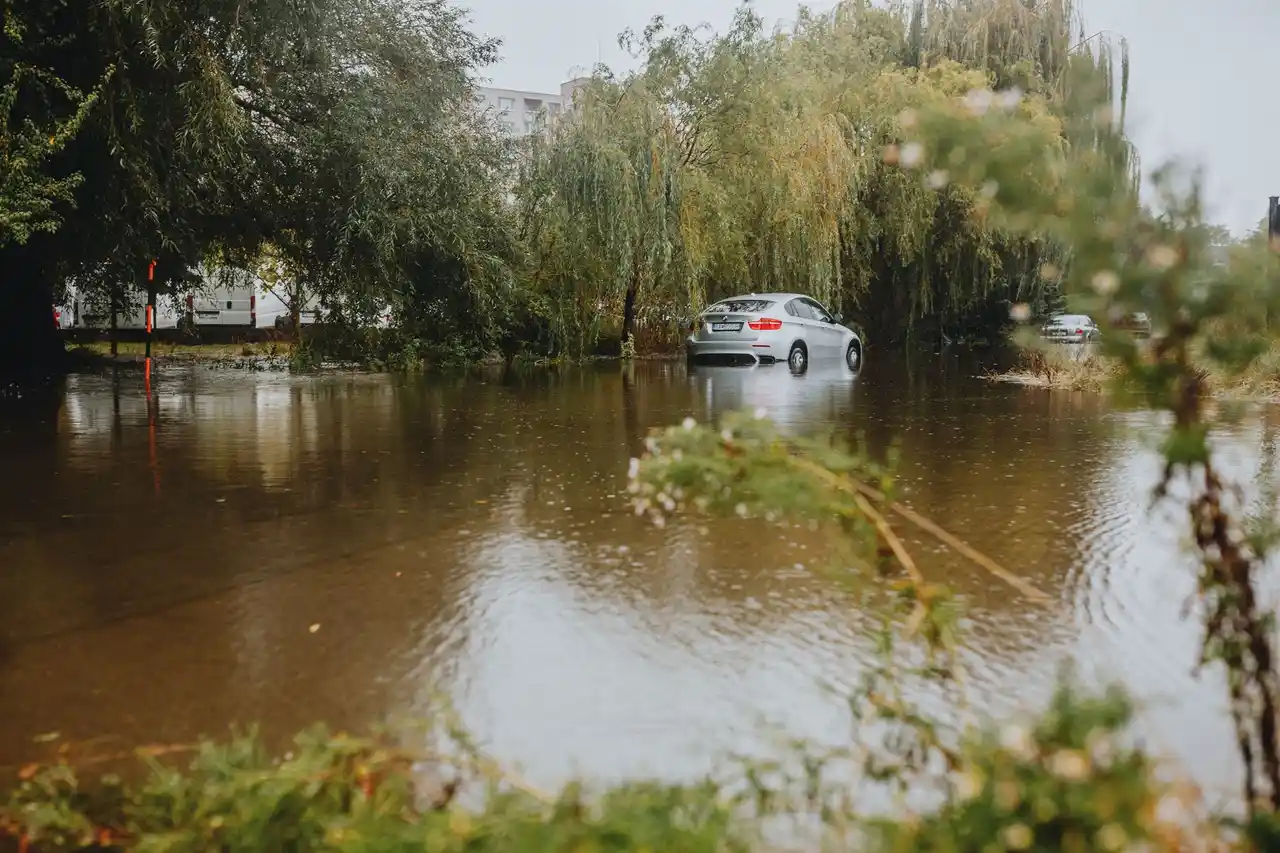
We extract and dry the floor, then fix the source with window well drainage, gravel and a check on the seal. Stopping the water is the only way to keep the floor dry long term. Window well overflow dumps water right at the foundation, where it finds the basement and the floor above. Repeated events warp boards and feed mold in the wall cavity.
Catching water within 24 to 48 hours usually means we can dry and refinish the existing floor instead of tearing it out. A 200 square foot room that would cost several thousand dollars to replace can often be saved for a fraction of that when extraction starts the same day.
We log moisture readings with a moisture meter and hygrometer at every visit and hand you the numbers. You see the floor go from 24 percent moisture content down to a dry baseline near 8 to 10 percent before we put a sander on it. No guesswork, no callbacks.
Wet wood under a warm floor breeds mold in 24 to 72 hours. We apply an antimicrobial solution after extraction, run a dehumidifier to pull humidity out of the room, and check the cavity with a boroscope inspection camera. That is how a small leak stays a small leak.
Once the boards are dry, we sand out the cupped edges, fill the seams, and apply a fresh finish coat. Most rooms are back in service in three to five days. You get a written moisture log and a maintenance note on how to keep the floor dry through the next rainy season.
Clear records you can keep and share.
Daily readings from extraction to dry standard
Itemized work list for you and your carrier
How to keep the floor dry next season
Two things decide the outcome: how long the water sat and what kind of flooring you have. We check both before we quote the job.
Boards caught within 24 to 48 hours usually dry in place. Past that, cupping can set and replacement becomes the better call. We measure on arrival and tell you straight.
Solid oak and maple dry well and can be sanded and refinished. Engineered flooring delaminates when wet, so more boards need replacing. We identify the construction before we start.
Supply line water is a drying job. Sewage and storm water are contaminated and require removal and disinfection. That changes the scope, the timeline and the cost.
Outside these areas? Call and ask - we may still be able to help. +18598328132
Most residential jobs in Newport run $1,200 to $4,500 depending on square footage, how long the water sat, and whether boards need replacing. A small kitchen or hallway with same-day extraction often lands near the low end. A full basement with cupped boards, wet subfloor and mold treatment pushes toward the high end. We give you a written scope and price before we start.
Newport Basement Flood Pros does wood floor water extraction in Newport, Kentucky and across Campbell County. We run truck-mounted extractors, portable units and wet/dry vacuums to pull water out of the seams, then dry the boards with air movers and dehumidifiers. Call +18598328132 and we will tell you on the phone whether the floor is savable.
Yes, if you act within 24 to 48 hours. Solid oak and maple boards can usually be dried in place and refinished. Engineered floors are hit or miss because water delaminates the layers. We check moisture content and board condition on arrival and tell you straight whether drying or replacement is the better call. Cupping that has not set in yet is reversible.
Extraction takes two to four hours. Drying runs three to five days with daily monitoring. Sanding and refinishing add another two to three days, mostly cure time. A typical Newport job is done in about a week. If mold is present, add two to three days for remediation. We give you a day-by-day schedule at the start.
Water on hardwood is a countdown. We answer 24/7, arrive with extraction equipment, and give you a written scope before we start. Call +18598328132 and we will tell you on the phone whether your floor is savable.
Reach us at +18598328132 any time, day or night. We answer emergency calls around the clock and schedule standard estimates during business hours. Tell us the water source, how deep it is, and whether it smells like sewage - that tells us what to bring. We serve all of Newport and Campbell County.