Written report
Thermal images, meter readings, and moisture map.
Moisture detection and inspection Newport KY locates hidden water before it becomes mold, rot, or a flooded floor. We use thermal imaging cameras, pin-type moisture meters, and hygrometers to map every damp pocket in your basement, crawl space, or wall cavity. If you have smelled musty odors or seen warped baseboards, call us. We serve homeowners and property managers across Campbell County with same-day appointments.
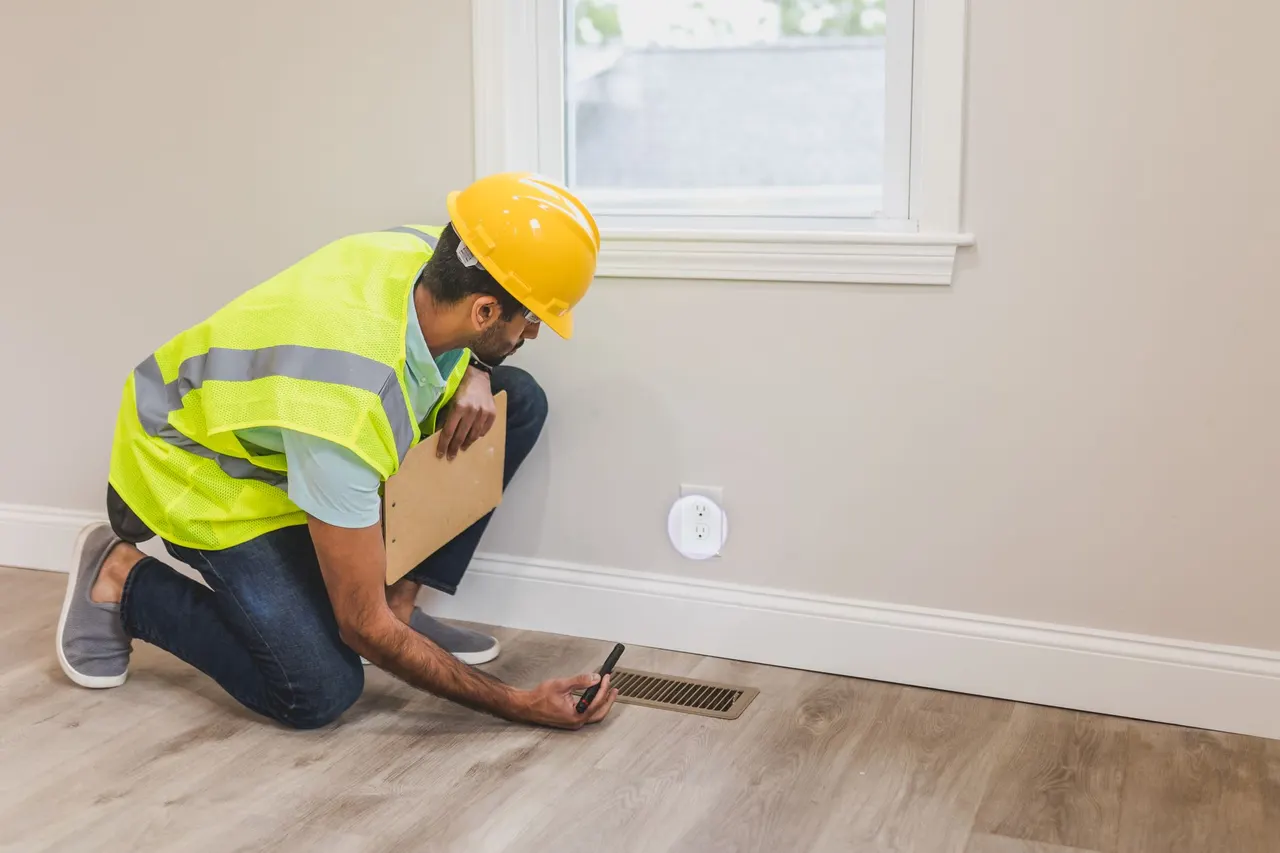
Every inspection covers the core diagnostic work. If we find moisture, we can also provide drying, repair, or remediation as a next step. You get a clear scope and honest pricing before any additional work begins.
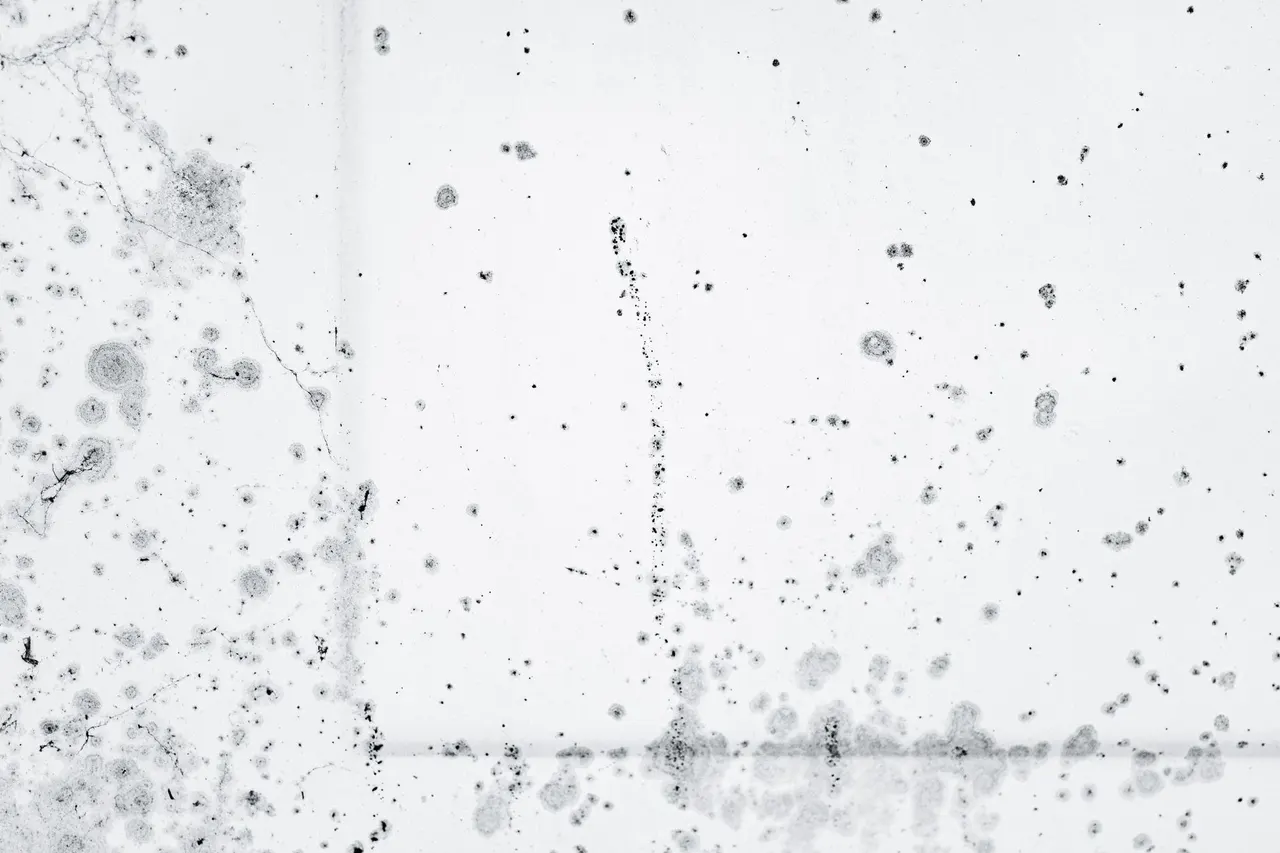
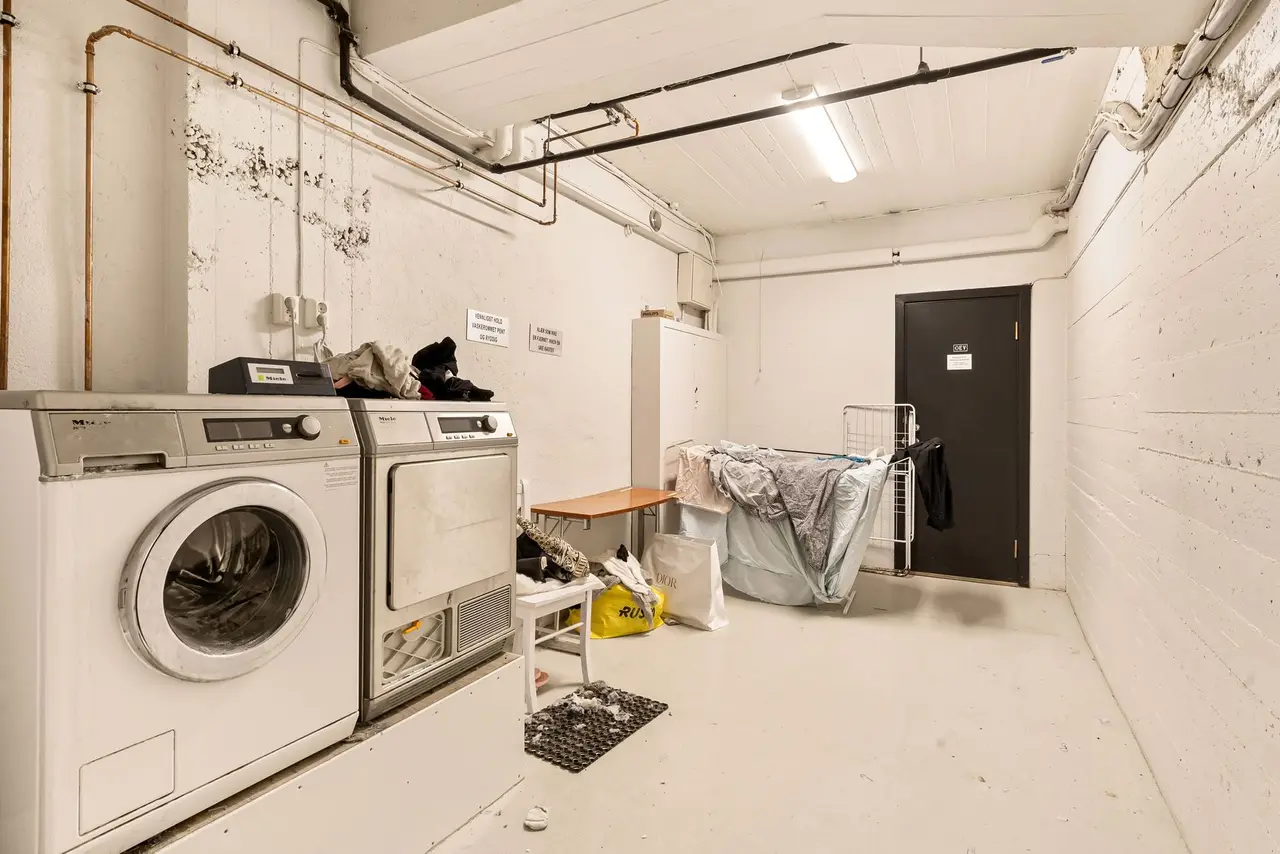
We inspect basements, crawl spaces, and utility rooms for hidden moisture. You get readings, photos, and a plan you can act on.
We inspect commercial basements, storage areas, and utility rooms for hidden moisture. You get documentation to plan repairs and protect inventory.
Moisture detection and inspection Newport KY is a diagnostic service that finds water where you cannot see it. We start with a visual walkthrough of your basement, crawl space, and utility areas, then use a thermal imaging camera to spot temperature differences that signal trapped moisture. A pin-type moisture meter confirms readings inside drywall, baseboards, and framing. A hygrometer measures relative humidity in the air, and a boroscope inspection camera lets us look inside wall cavities without cutting large holes. You get a written map of every wet zone and a clear recommendation for drying or repair.
Newport sits along the Ohio River, and that river valley geography keeps groundwater high. Older homes in the Fifth Ward and Historic Hill often have stone or block foundations that wick water inward. After a heavy spring rain, hydrostatic pressure pushes through foundation cracks and window well overflow. We also see sump pump failure in basements that have not been serviced in years. If you search for moisture detection and inspection near me Newport, you want someone who knows these local conditions. We do.
We measure before we cut, so you dry only what is wet.
Every inspection follows the same five steps. You know what we are doing, why, and what it costs before we start.
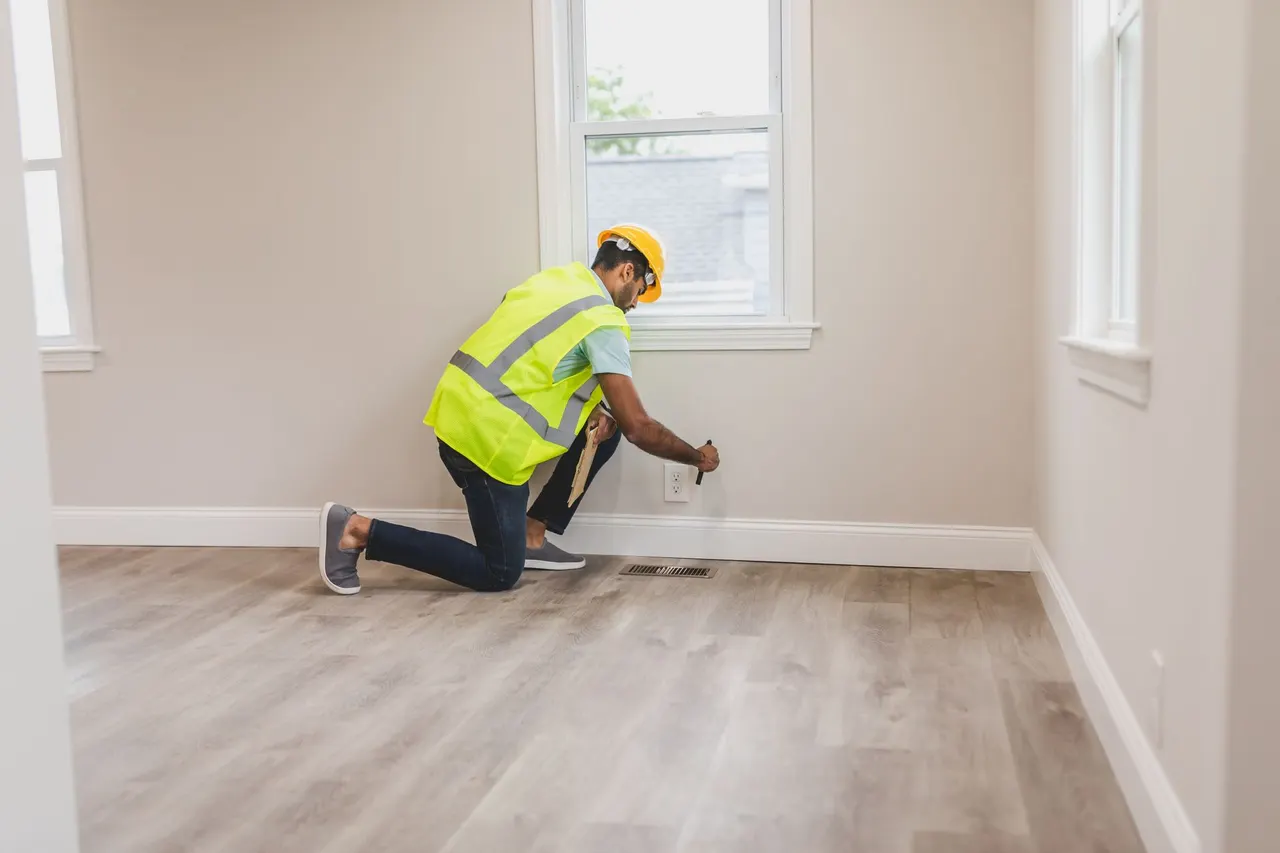
Call us at +18598328132 and describe what you see or smell. We ask about recent rain, sump pump activity, and any musty odors. This takes 5 to 10 minutes and helps us bring the right tools. If you need same day moisture detection Newport KY, we schedule the first available slot.
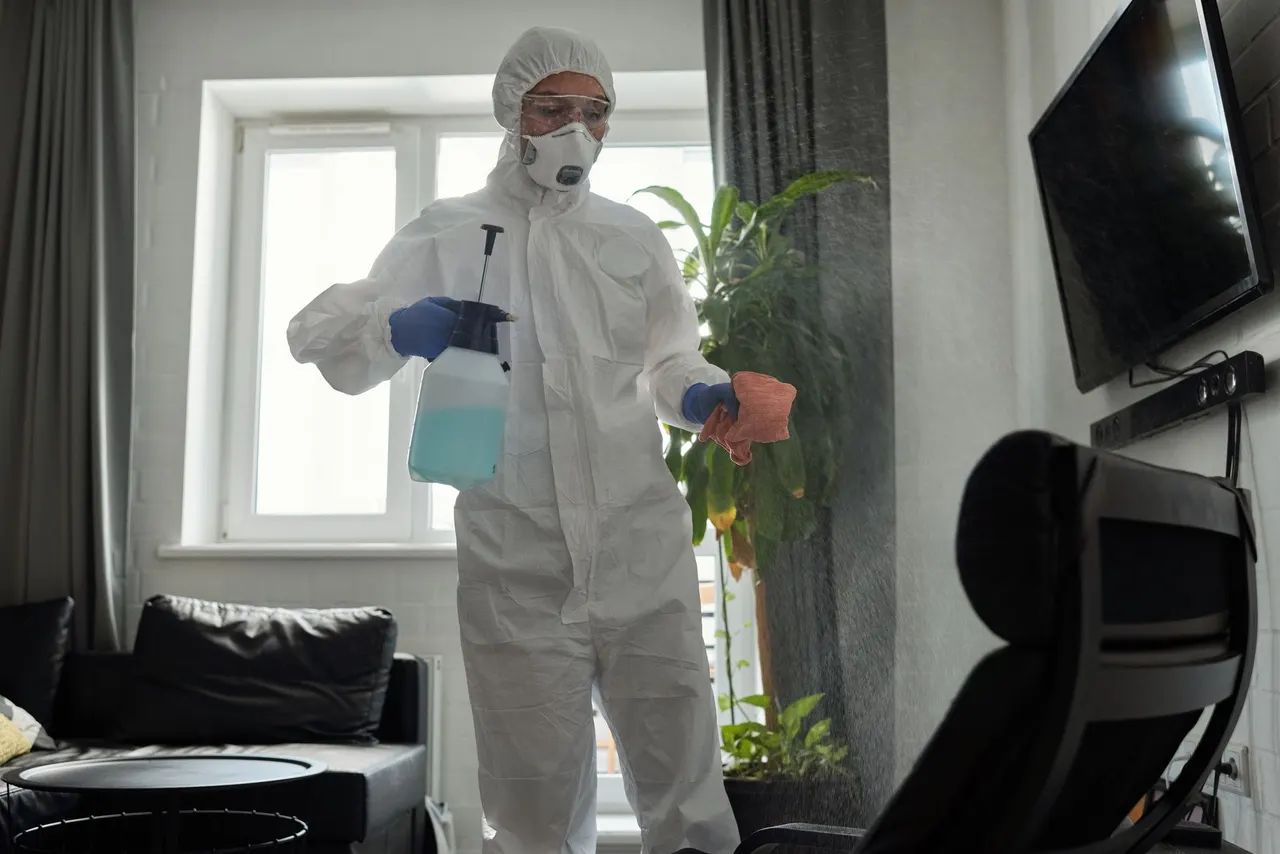
A technician walks your basement, crawl space, and utility room with you. We look for efflorescence, warped hardwood floors, stained drywall, and rusted pipe fittings. We check the sump pump discharge pipe and check valve for clogs. This step takes 15 to 20 minutes and often reveals the obvious source.
We use a thermal imaging camera to scan walls, floors, and ceilings for temperature anomalies. A pin-type moisture meter confirms wet readings inside materials. A hygrometer logs relative humidity, and a boroscope inspection camera checks inside wall cavities. This is where hidden moisture shows up.

We mark every wet zone on a floor plan and note the percentage readings. You see exactly where the moisture is and how far it has spread. We photograph thermal images and meter screens for your records. This map becomes the scope for drying or repair.
Before we leave, we explain what we found and what it means. You get a written summary with recommended next steps, whether that is basement drying, foundation crack repair, or a new sump pump. We answer your questions on the spot. No pressure, no surprise fees.
Detects temperature differences caused by hidden moisture in walls, floors, and ceilings. We photograph anomalies for your report.
Measures water content inside drywall, wood, and concrete. Gives percentage readings to confirm wet zones.
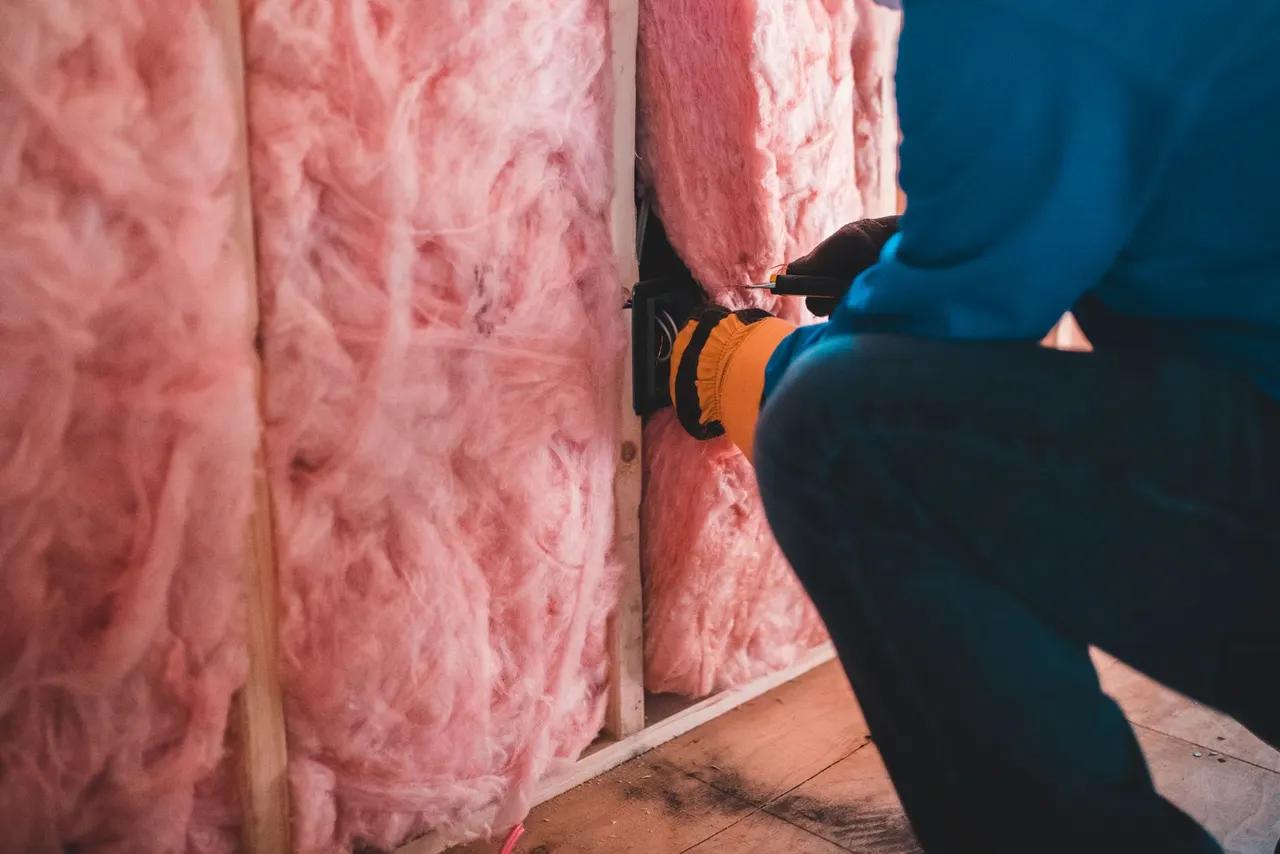
Measures relative humidity in the air. Readings above 60 percent indicate conditions that support mold growth.
Fits through a small hole to inspect inside wall cavities without major demolition. We check for wet insulation and framing.

Removes small amounts of standing water found during inspection. We carry Shop-Vac and RIDGID models on every truck.
Reduces airborne moisture after we find a damp area. We use Dri-Eaz and Phoenix Restoration Equipment units for larger spaces.
We follow IICRC ASD (Applied Structural Drying) principles to interpret moisture readings and plan drying. This standard tells us when materials are dry enough to stop drying. It prevents both under-drying and unnecessary demolition.
We scan every accessible wall, floor, and ceiling with a thermal camera. Temperature differences reveal evaporative cooling from hidden moisture. We then confirm each anomaly with a pin-type meter. This two-step method eliminates false positives.
We bring a thermal imaging camera and moisture meter to find hidden dampness. We check behind drywall, under carpet, and inside wall cavities. A boroscope inspection camera lets us see inside without cutting large holes. You get a written map of the moisture and a clear plan to eliminate the smell and prevent mold.
We inspect the sump pump, check valve, and discharge pipe. Then we test basement walls and floors with a moisture meter. We also measure humidity with a hygrometer to see if the air is dry enough. You know whether the pump kept up or whether hidden moisture remains. If repairs are needed, we handle them.
We perform a full basement moisture inspection Newport KY, including thermal imaging and meter testing. We document any active leaks, past water stains, and high humidity. You get a written report to negotiate repairs. You avoid buying a home with hidden water damage and have documentation to request fixes.
After cleanup, we test all surfaces with a moisture meter. We check for hidden moisture behind baseboards and inside wall cavities. If needed, we apply antimicrobial solution and disinfectant. You get confirmation that the space is dry and sanitized, with a report for your records.
Newport's location along the Ohio River means high groundwater and frequent spring flooding. Homes in The Point and Lower Thames sit close to the water and often have stone or block foundations that wick moisture. In Historic Hill and Fifth Ward, older construction means wall cavities without vapor barrier, so water travels farther before it shows. We adjust our inspection to these conditions. We pay extra attention to sump pump discharge pipes, window well overflow, and clogged gutter downspouts. After a storm, we often find hydrostatic pressure pushing water through foundation cracks. Our thermal imaging camera and moisture meter work together to trace that water to its entry point. If you need professional moisture inspection in Newport, Kentucky, we bring the right tools for these local building types. We also check crawl spaces, where moisture can rot floor joists for years without being seen.
A homeowner in Historic Hill noticed a musty smell but no visible water. The basement had stone walls and old paneling. Previous attempts to mask the odor with deodorizers failed.
Our thermal camera found moisture behind the paneling. Meter readings showed 28 percent moisture in the stone wall. We removed the paneling, dried the wall, and repaired the crack with hydraulic cement. The smell disappeared.
We recommended checking the wall with a moisture meter each spring. Keeping gutter downspouts clear prevents recurrence.
A sump pump failed during a storm in The Point, leaving two inches of standing water. The homeowner called us the next morning. Carpet and baseboards were soaked.
We extracted the water, then ran a moisture inspection. Readings showed wet drywall 18 inches up. We removed the damaged drywall, dried the framing, and installed a new Zoeller sump pump with a check valve. Everything dried within three days.
We test the new pump annually and recommend a battery backup. Keeping the discharge pipe clear prevents freeze-ups in winter.
A Fifth Ward home had high humidity and a damp crawl space. The homeowner noticed warped hardwood floors above. No standing water was visible.
Our hygrometer read 72 percent relative humidity. A moisture meter found 25 percent moisture in floor joists. We removed standing water, installed a vapor barrier and crawl space liner, and set up a dehumidifier. Humidity dropped to 48 percent.
We recommend checking the vapor barrier annually and running a dehumidifier during humid months.
Hidden moisture causes more damage than visible water. These are the problems we find and fix for Newport homeowners.
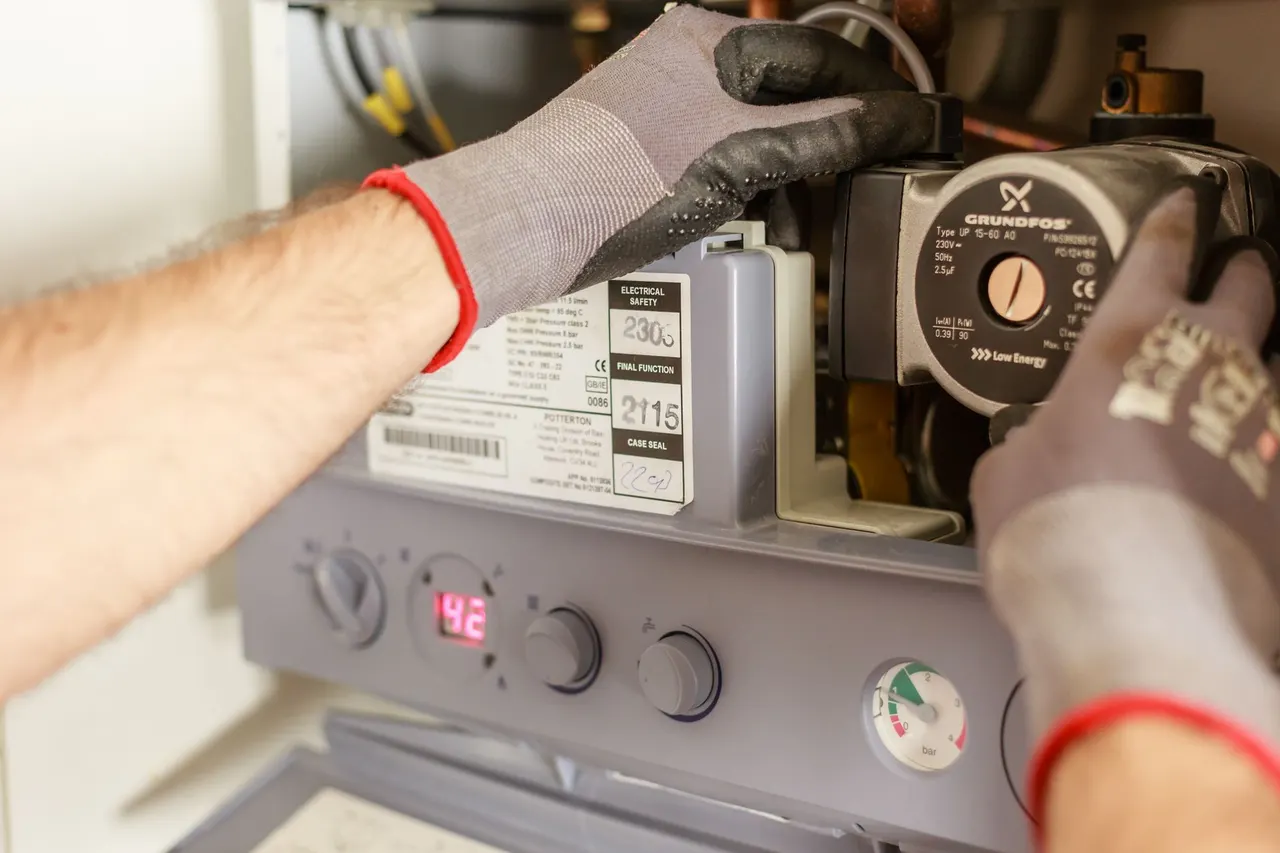
We use thermal imaging and a boroscope inspection camera to find the source. Then we map the wet zone and recommend drying or mold remediation. You get rid of the smell and the cause. Musty smells mean mold or bacteria are growing in hidden damp areas. Ignoring it leads to poor air quality and structural rot.
Our moisture meter confirms how high the water wicked up the drywall. We cut out the damaged section, dry the framing, and replace the drywall. We also repair or replace the sump pump. Drywall stays wet for weeks after the water is gone. It grows mold and loses structural strength. Baseboards and framing can rot behind the wall.
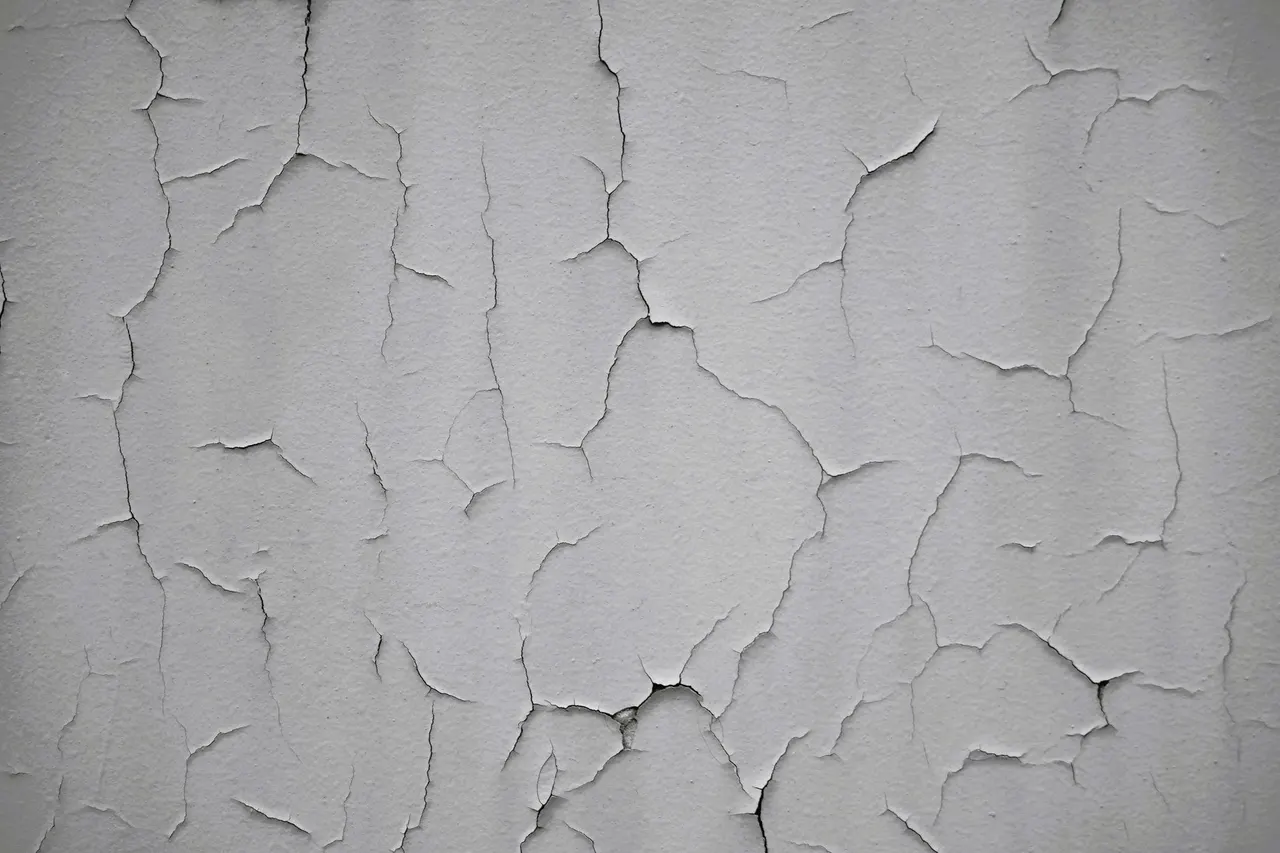
We detect the moisture, then repair the crack with epoxy crack filler or hydraulic cement. We also check gutter downspouts and window well drainage to reduce pressure. A follow-up meter reading confirms the fix. Hydrostatic pressure pushes water through cracks every time it rains. The cycle repeats and worsens. Efflorescence and damp walls are early signs.
We inspect the crawl space with a moisture meter and hygrometer. Then we remove standing water, install a vapor barrier or crawl space liner, and encapsulate if needed. This stops the rot and lowers humidity. Crawl space moisture rots floor joists and subfloor. It also attracts pests and drives up energy bills. Many homeowners never see it until damage is severe.
Mold can begin growing within 24 to 48 hours of a water event. Our basement moisture inspection Newport KY catches damp drywall, insulation, and framing before spores colonize. We take readings at multiple depths and mark the exact boundary of the wet zone. That means you dry only what is wet, not the whole basement.
Hydrostatic pressure and foundation cracks let water in quietly. A moisture meter reading above 20 percent in concrete or block signals active intrusion. We document those readings and show you where epoxy crack filler or hydraulic cement will help. Catching it early avoids a $8,000 to $15,000 foundation repair.
Wet insulation and damp crawl space air force your HVAC system to work harder. We measure humidity with a hygrometer and identify vapor barrier failures. Once we seal the source, a dehumidifier can hold your basement at 45 to 50 percent relative humidity. That saves money on every utility bill.
Most policies require proof that damage came from a covered event, not long-term neglect. Our written report includes thermal images, meter readings, and a moisture map. You get a clear record to hand your adjuster. We have helped Newport homeowners support claims for sump pump failure and sewage backup.
Clear records you can keep and share.
Thermal images, meter readings, and moisture map.
Marked floor plan showing every wet zone.
Clear recommendations for drying or repair.
A moisture meter gives a percentage of water content in a material. It does not tell you where the water came from or how far it spread.
Drywall and wood read below 15 percent when dry. Above 20 percent means active moisture. Concrete can read higher and still be normal.
A pinless meter reads the surface. A pin-type meter reads deeper. We use both to avoid false readings.
A hygrometer measures airborne humidity. A meter measures moisture inside materials. You need both to plan drying.
Outside these areas? Call and ask - we may still be able to help. +18598328132
Most inspections run $150 to $350 depending on basement size and accessibility. Crawl spaces with tight access or multiple wet zones can reach $450. The price includes thermal imaging, meter testing, and a written report. If you book drying or repair with us, we credit the inspection fee toward that work. Call +18598328132 for an exact quote.
Newport Basement Flood Pros performs basement moisture inspection across Newport and Campbell County. We are a local water damage company, not a franchise. Our technicians carry thermal cameras and moisture meters on every truck. We serve Downtown Newport, The Point, Fifth Ward, and surrounding neighborhoods. Call +18598328132 to schedule.
We use a thermal imaging camera to find temperature differences behind walls and under floors. A pin-type moisture meter confirms wet readings inside drywall, wood, and concrete. A hygrometer measures airborne humidity, and a boroscope inspection camera looks inside wall cavities. We map every wet zone and give you a written report with photos.
A typical basement inspection takes 60 to 90 minutes. Crawl spaces or homes with multiple wet zones can take up to two hours. We do not rush. You get a full walkthrough, instrument testing, and a written report before we leave. If you need same day service, call before noon and we will try to fit you in.
Hidden moisture gets worse every day. Call +18598328132 and we will find the source, map the damage, and give you a written plan. Same-day appointments available across Newport, Kentucky.
Reach us at +18598328132 any time, day or night. We answer emergency calls around the clock and schedule standard estimates during business hours. Tell us the water source, how deep it is, and whether it smells like sewage - that tells us what to bring. We serve all of Newport and Campbell County.