Written scope
What comes out and what goes in
When a burst pipe, sump pump failure, or river-backed storm soaks your basement, insulation removal and replacement Newport KY is the only way to stop mold and rot. We haul out saturated fiberglass, dry the stud bays, and install new insulation so your basement stays dry and warm. If you are searching for insulation removal and replacement near me Newport, our crew works across Campbell County and the 41071 ZIP.
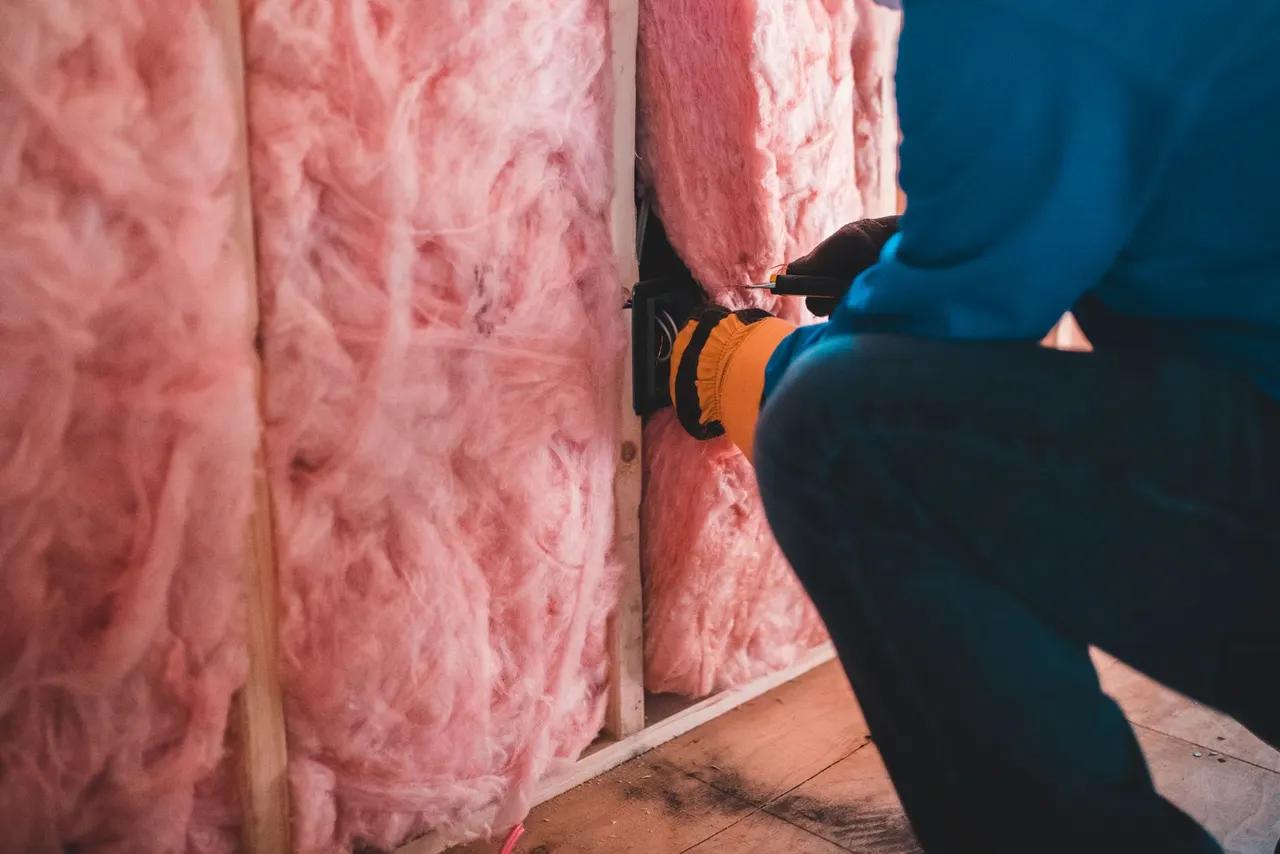
Every job starts with an inspection and ends with new insulation installed to code. We handle the removal, drying, mold treatment, and replacement. If your basement needs waterproofing or a sump pump repair, we can quote that separately after the insulation work is done.

We help homeowners and tenants in Newport deal with wet insulation after a flood, burst pipe, or sump pump failure. Our crew removes the soaked material, dries the wall cavity, and installs new insulation.
We work with property managers and business owners in Newport to handle wet insulation in commercial basements and rental units. We schedule around your tenants and document every step.
Insulation removal and replacement Newport KY is the process of pulling out waterlogged, moldy, or contaminated insulation from a basement or crawl space, drying the framing and cavity, then installing new material that meets code. Wet fiberglass loses its R-value the moment it soaks, and paper-faced batts feed mold within 24 to 48 hours. We cut out the ruined sections, bag them, and haul them off, then run air movers and dehumidifiers until a moisture meter reads dry. Only then do we install new insulation.
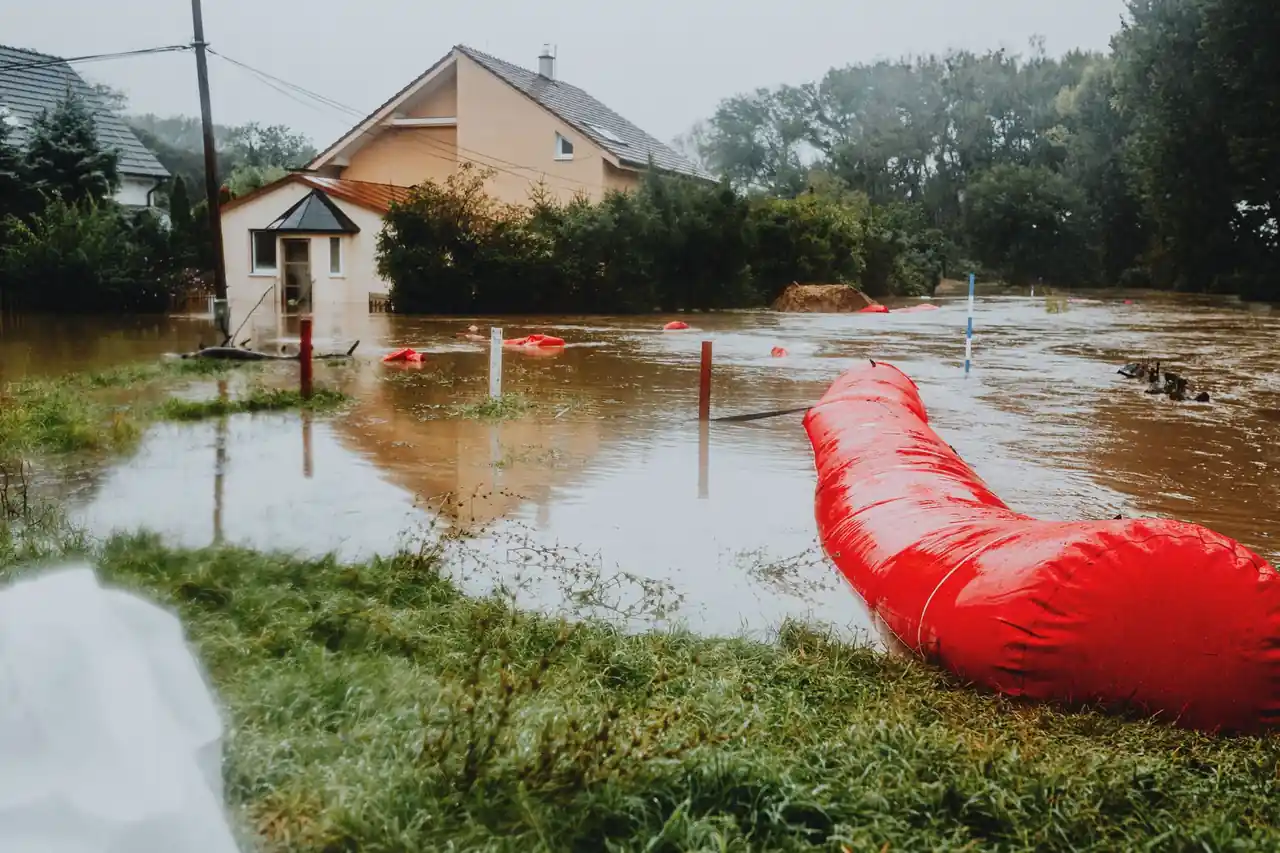
Most calls we get in Newport start with a flooded basement after a storm or a failed sump pump. Water wicks up the wall cavity and saturates the insulation behind your drywall and baseboard. If you leave it, you get musty odors, mold growth, and warped hardwood floors above. Homeowners searching for wet insulation removal Newport KY usually need the same fix: remove, dry, replace. We also handle basement insulation removal Newport KY for older homes near the river where hydrostatic pressure pushes water through foundation cracks.
We remove wet insulation, dry the cavity, and install new material that keeps your basement dry.
We keep it simple: find the water source, remove the ruined insulation, dry the cavity, install new material, and document the job. Most basements take one to two days from start to finish.
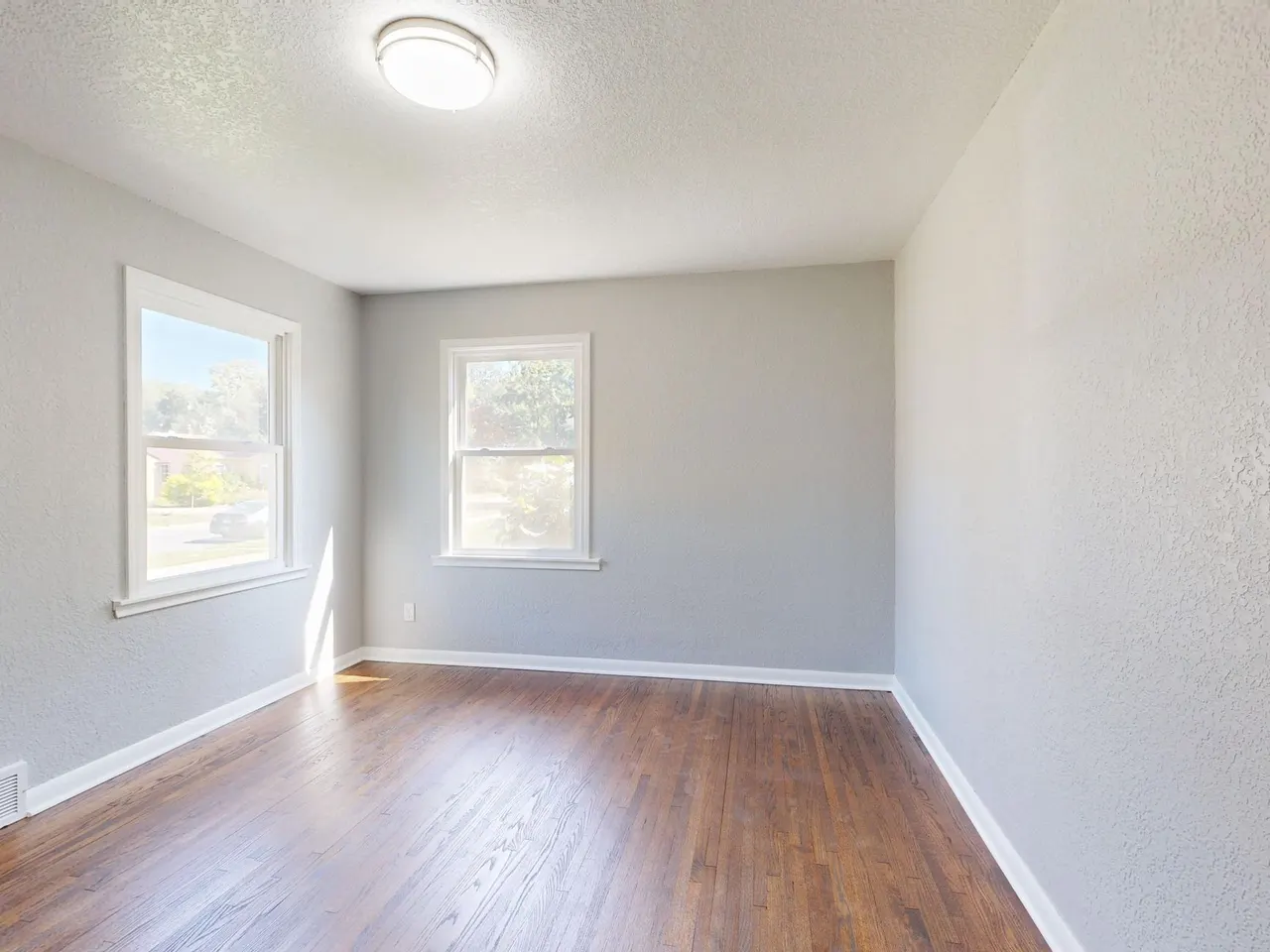
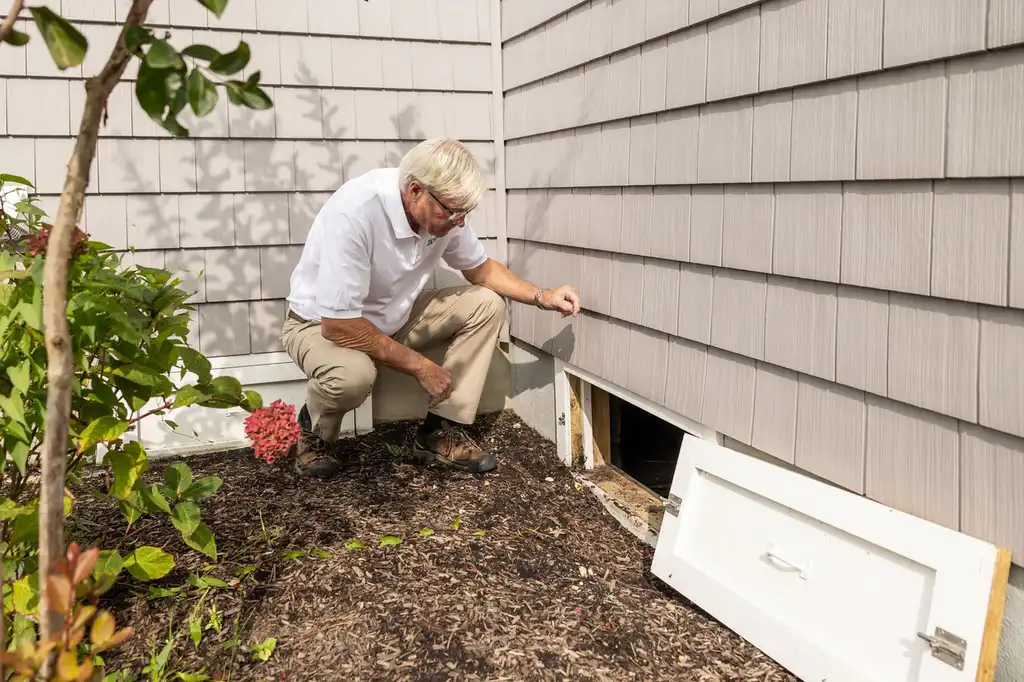
We walk the basement with a moisture meter and thermal imaging camera to map exactly where water traveled. A boroscope inspection camera lets us check inside wall cavities without tearing everything open. You get a clear scope of what comes out and what goes back in, usually within 45 minutes.
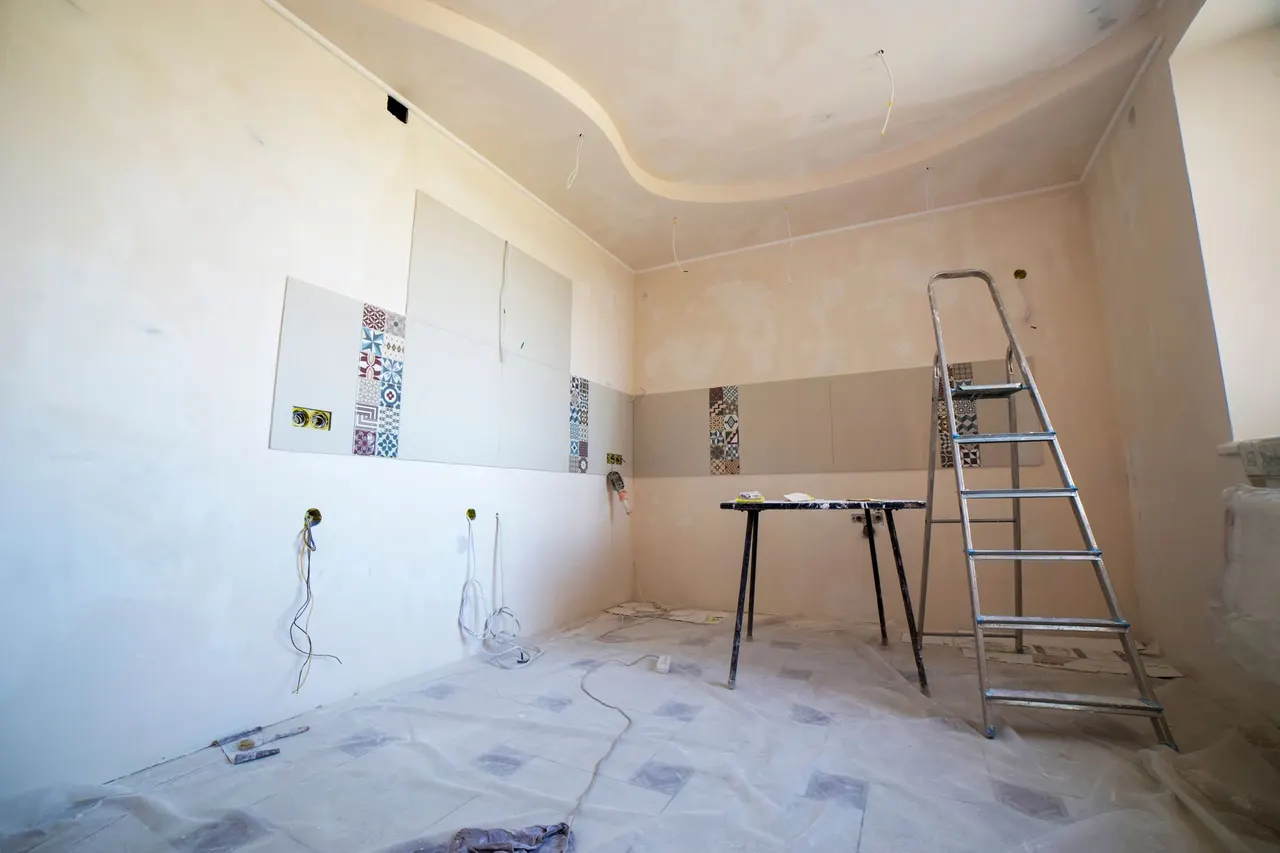
Our crew cuts out saturated batts, bags them, and hauls them off. We use a wet/dry shop vacuum and portable extraction unit to pull standing water from the cavity floor. Most single-wall jobs take two to four hours of removal work.
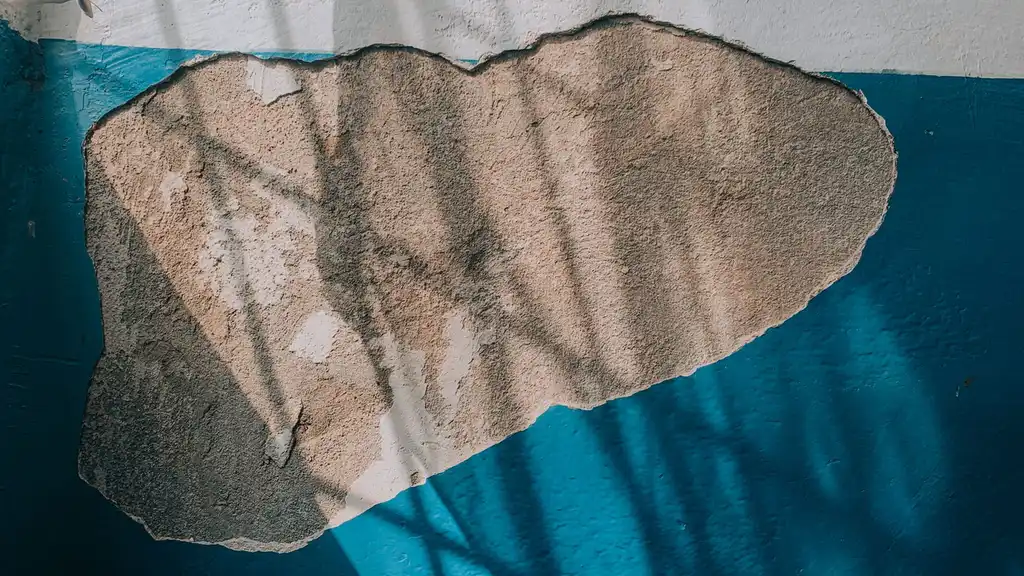
We set air movers and dehumidifiers to dry the studs, sill plate, and concrete. The cavity gets treated with an antimicrobial solution to stop mold growth. Drying typically runs 24 to 72 hours depending on how wet the framing is when we start.
Once the moisture meter reads dry, we install new fiberglass batts, rigid foam, or a vapor barrier depending on your wall type. We seal gaps with polyurethane sealant and make sure the insulation sits flush against the foundation wall without compression.
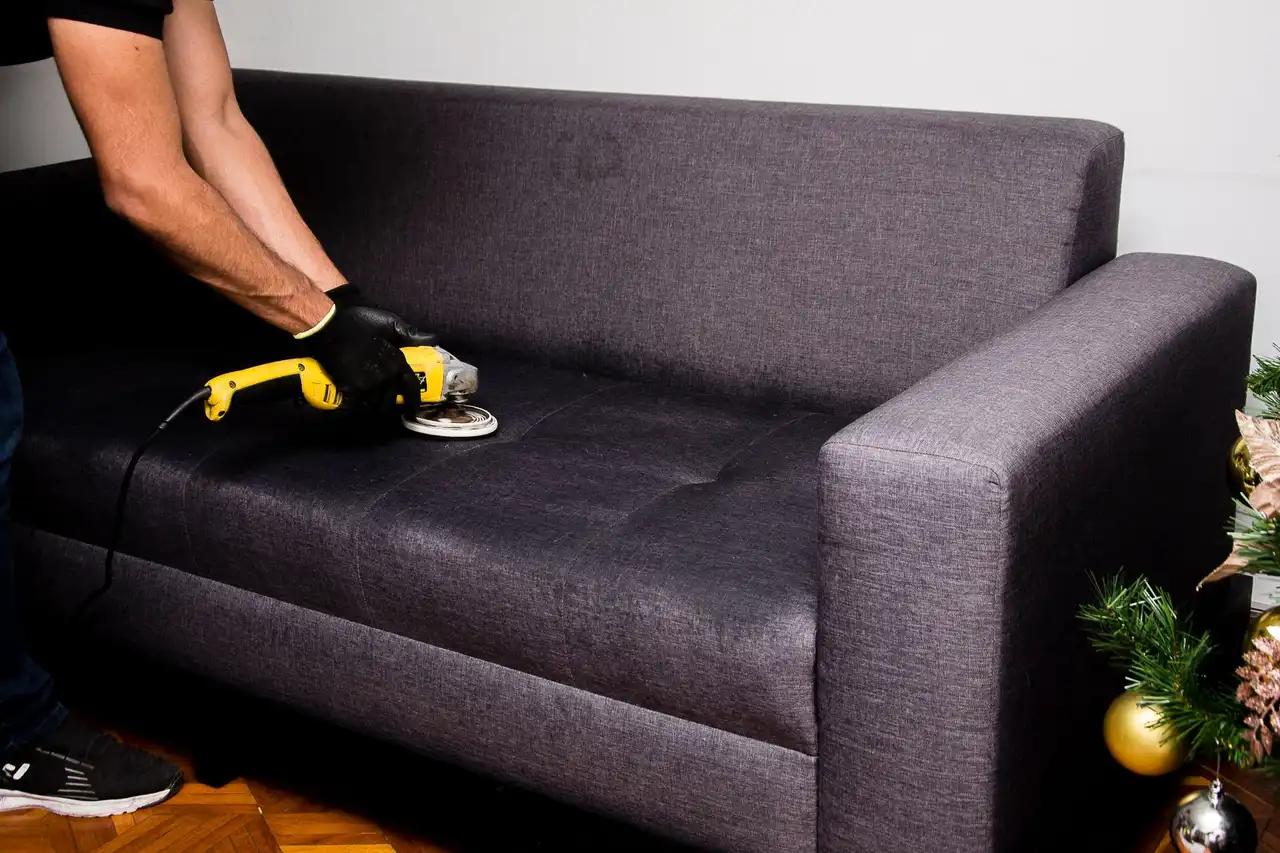
We re-check moisture readings, confirm the insulation is properly fitted, and walk you through what we did. You get photos of the before and after, plus a note on what to watch for if another storm hits. The whole job usually wraps in one to two days.
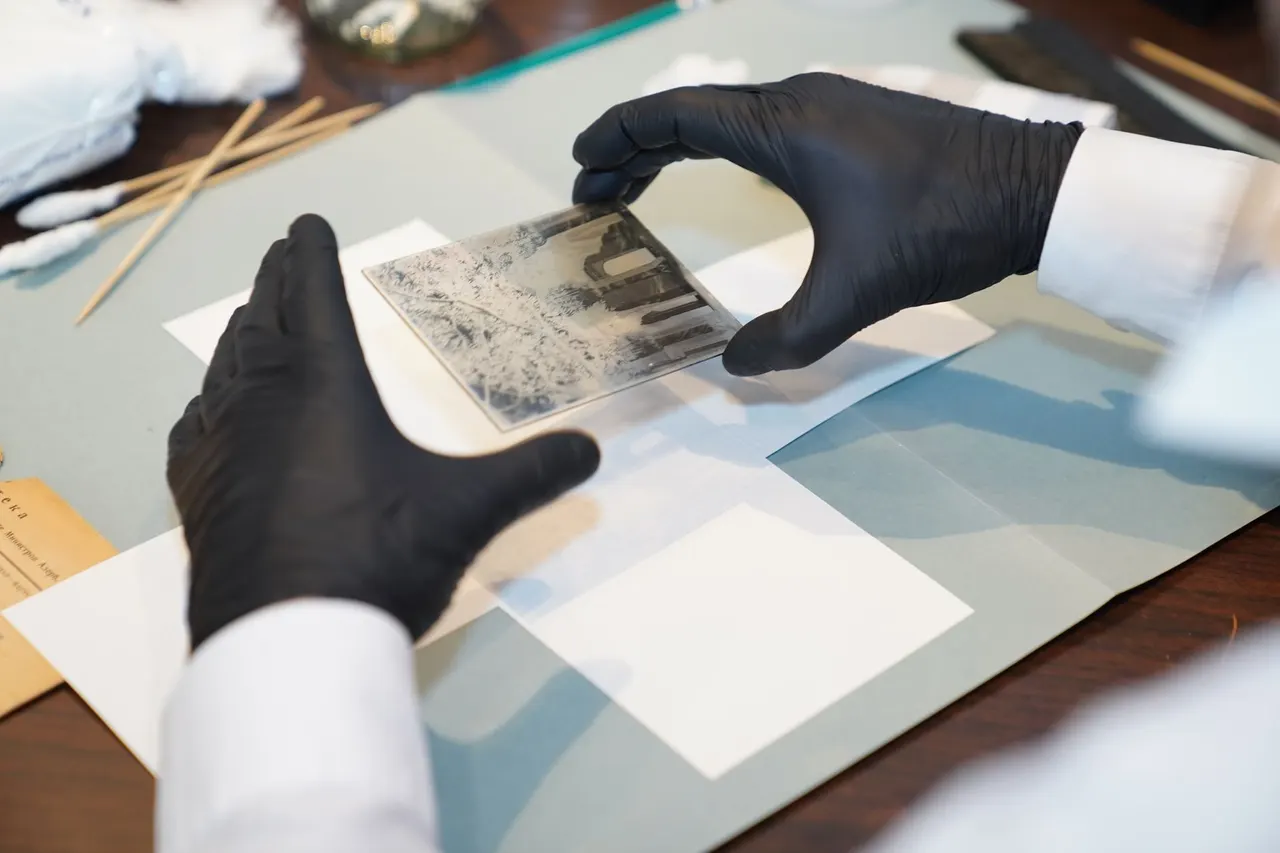
Finds hidden moisture behind walls without tearing them open. We use it to map exactly which sections of insulation are wet.
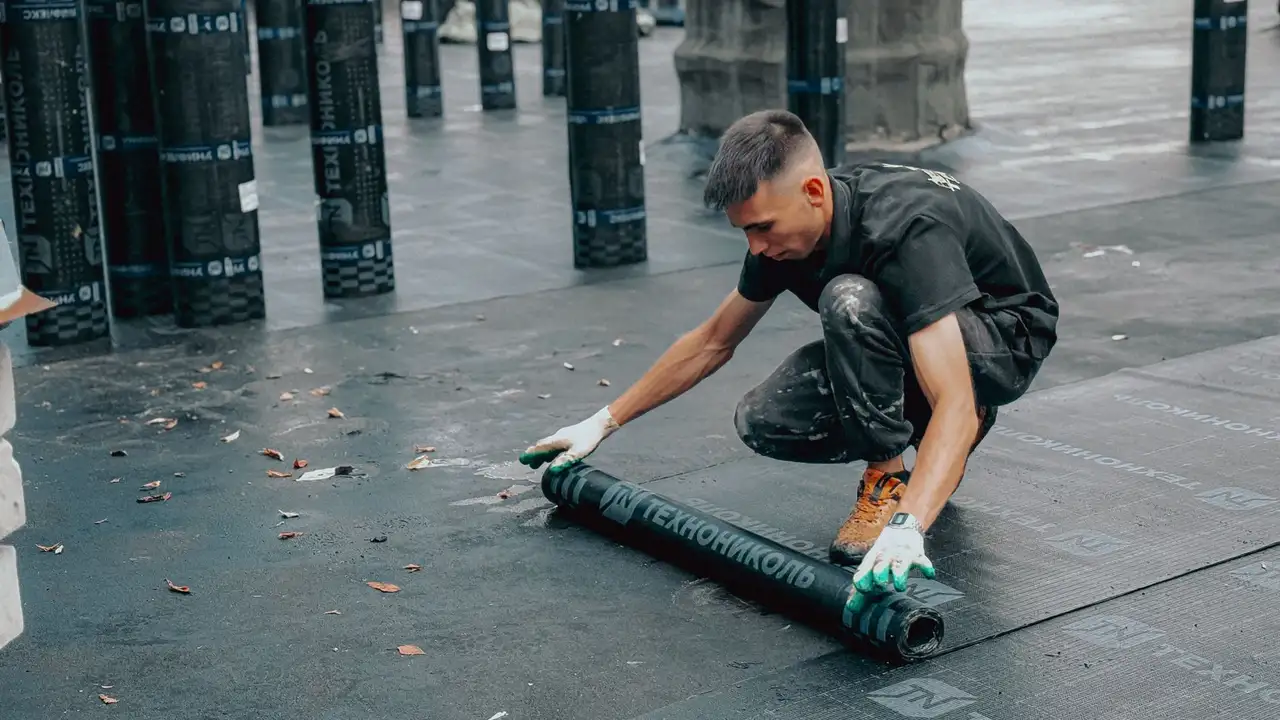
Reads moisture content in framing and insulation. We use these to confirm the cavity is dry before installing new material.
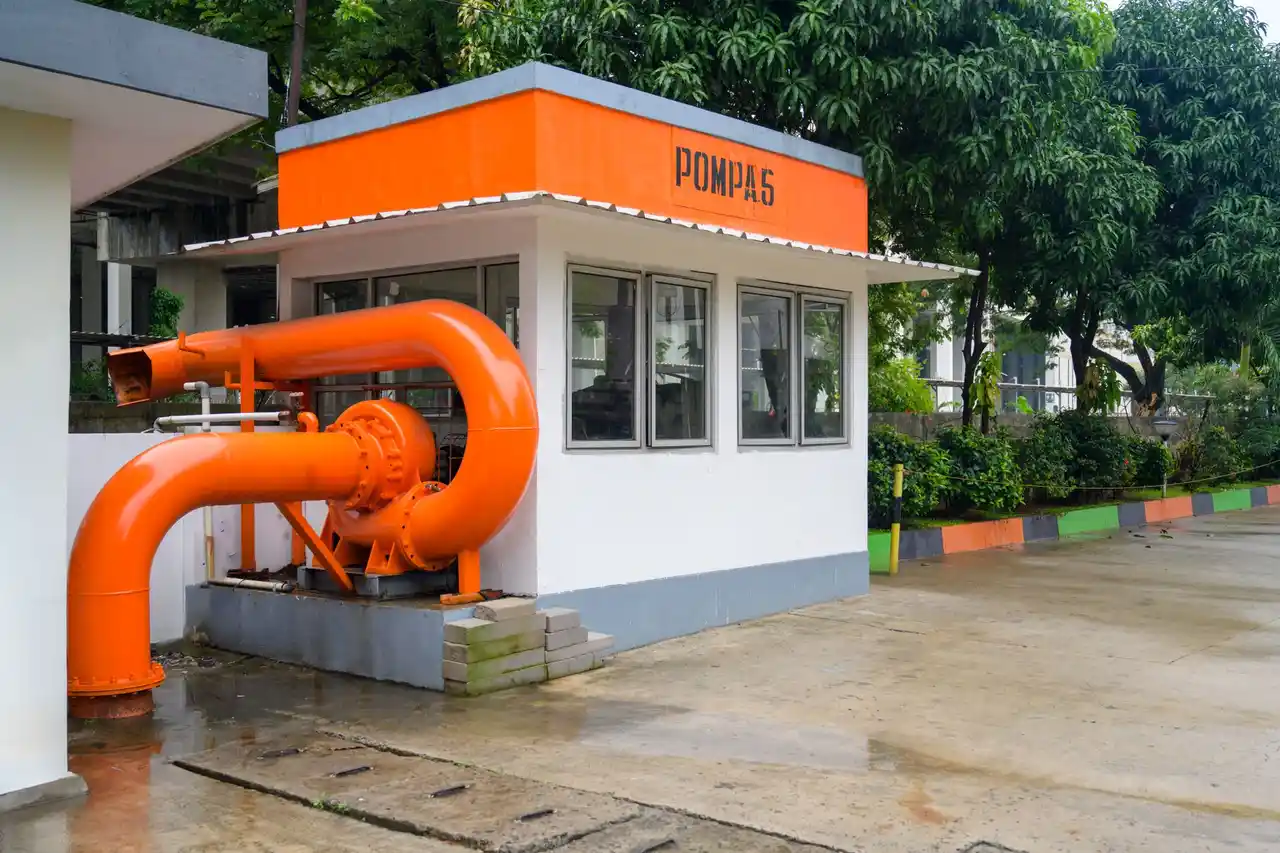
Lets us look inside closed wall cavities to check insulation condition. It saves you money by avoiding unnecessary demolition.
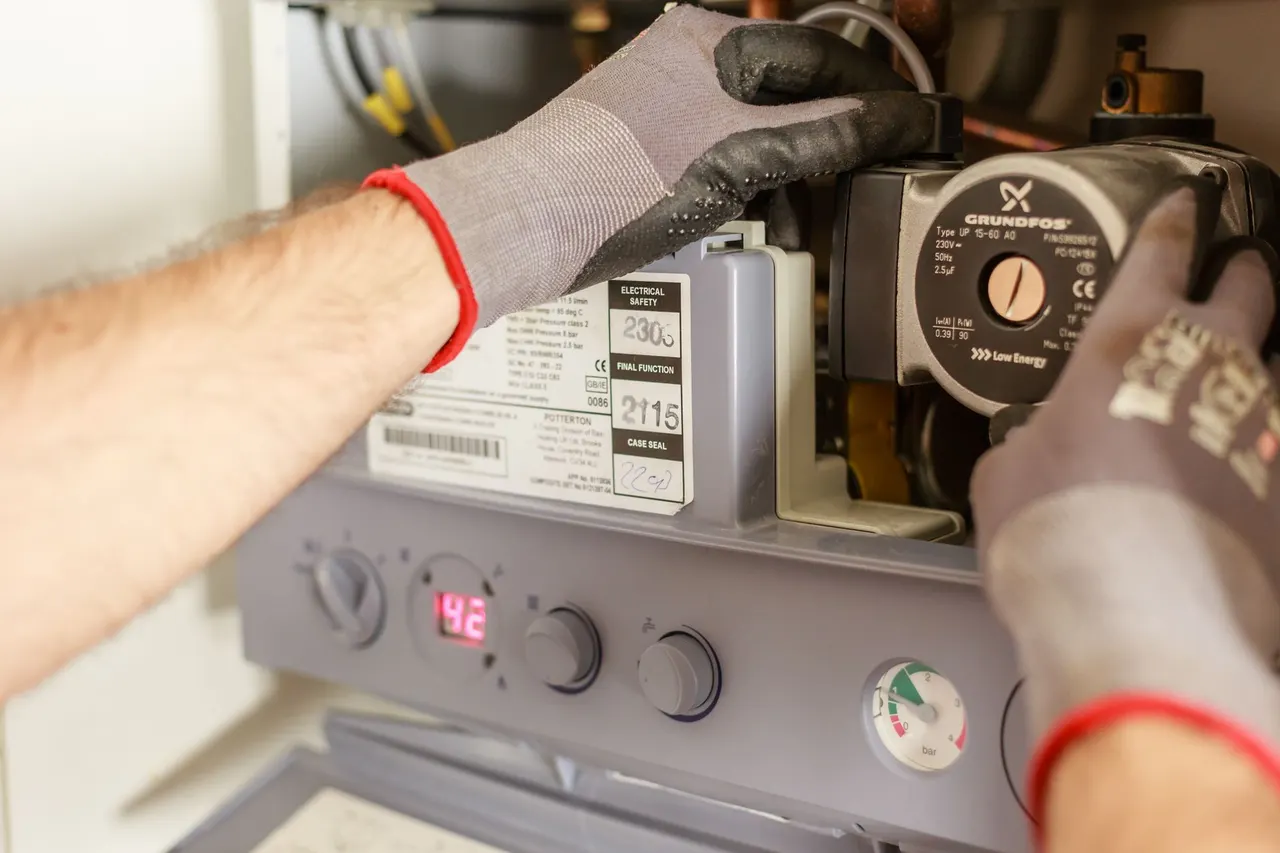
High-velocity fans that dry the wall cavity after we remove wet insulation. They cut drying time from days to hours.
Pulls standing water out of the basement fast. The faster we remove water, the less insulation gets soaked.
Cleans up residual water and debris from the cavity floor after the bulk water is extracted.
Eliminates musty odors left behind by wet insulation and mold. We run it after removal and drying.
We follow the IICRC Water Damage Restoration Technician standard for drying. That means documenting moisture readings, setting proper air movement, and not installing new insulation until the cavity meets dry standard.
We pump out the water, pull the soaked insulation, and set up drying equipment. The cavity gets treated for mold before we install new batts. Most jobs like this take two days from start to finish. Your basement is dry, the insulation is replaced, and the mold risk is gone. You also get a recommendation on sump pump repair so it does not happen again.
Sewage-contaminated insulation cannot be cleaned. We remove it, sanitize the cavity with a disinfectant, and install new material after the space is dry. We follow IICRC AMRT protocols for microbial remediation. The contaminated material is gone, the space is sanitized, and new insulation goes in. You get documentation showing the job was done to standard.
We inspect with a thermal imaging camera and moisture meter. Hidden moisture behind the wall often means the insulation is wet even when the floor is not. We remove the affected sections and dry the cavity. The smell is gone, the hidden moisture is fixed, and new insulation is installed. You avoid the mold problem that was starting behind the wall.
We cut out the wet insulation, use a wet/dry shop vacuum to pull water from the cavity floor, and run air movers until the framing is dry. New insulation goes in once the moisture meter reads under 15 percent. The wall cavity is dry and reinsulated. No mold, no warped drywall, and no cold draft coming through the wall.
Newport's position along the Ohio River drives most of the insulation work we do. The water table is high, and hydrostatic pressure pushes water through foundation cracks after heavy rain. Older homes in Historic Hill and The Point often have stone or block foundations with no modern drainage. When the river rises, water finds its way in. We also see a lot of sump pump failures in the spring, which soak the bottom two feet of wall insulation before anyone notices. Our approach is to remove the wet material, dry the cavity with air movers and dehumidifiers, and install new insulation rated for below-grade conditions. We pull Campbell County permits when the job requires it. If you need professional wet insulation removal in Newport, Kentucky after a storm, call us. We know which neighborhoods flood first and how to get the job done fast.
A homeowner woke up to two inches of water in the basement after a storm. The bottom two feet of insulation along three walls was soaked and starting to smell. Mold had begun forming on the paper facing.
We pumped out the water, removed 48 linear feet of wet insulation, dried the cavity for 36 hours, and installed new R-13 batts. Moisture readings dropped from 28 percent to 11 percent. The smell was gone.
We recommended a sump pump replacement and a check valve. The homeowner also added a battery backup so the next storm does not catch them off guard.
A sewage backup contaminated the insulation along a finished basement wall. The homeowner tried to dry it with fans, but the smell got worse. Mold was visible on the drywall above the baseboard.
We removed the contaminated insulation and 2 feet of drywall, sanitized the cavity with disinfectant, ran an ozone generator, and installed new insulation and drywall. The space passed a mold inspection.
We installed a backwater valve on the sewer line to prevent another backup. The homeowner now keeps a moisture meter on hand to check the wall after heavy rain.
A homeowner noticed a musty smell but the basement floor was dry. Our thermal imaging camera found moisture behind the wall. The insulation was wet from a foundation crack that only leaked during heavy rain.
We repaired the crack with hydraulic cement and epoxy, removed the wet insulation, dried the cavity, and installed new batts with a vapor barrier. The musty smell disappeared within a day.
We recommended extending the gutter downspouts to move roof water further from the foundation. That simple fix keeps the wall cavity dry.
Wet insulation causes problems that get worse every day. Here are the issues we see most often in Newport basements and how we fix them.
We remove the moldy insulation, treat the cavity with an antimicrobial solution, and run an ozone generator if needed. Once the cavity is dry and clean, we install new insulation that will not feed mold. Mold spreads from wet insulation into drywall and floor joists within 48 hours. It releases spores that affect air quality upstairs and can trigger allergies.
We pull the wet insulation, dry the cavity, and deodorize the space. Removing the source eliminates the smell. Most customers notice the difference the same day we finish. Damp insulation off-gasses a smell that spreads through the whole house. Air fresheners do not fix it because the source is still wet.
We replace the ruined insulation with new batts rated for below-grade walls. Your basement holds heat instead of bleeding it through the foundation. Most customers see a difference in the first cold snap. Soaked insulation loses its R-value. Your furnace works harder and the floor above stays cold all winter, driving up heating bills.

We remove the wet insulation, dry the rim area, and stop the moisture from climbing. Catching it early saves the floor above. We document moisture readings so you can see the progress. Water travels up through the sill plate and into the subfloor. Hardwood warps, cupping appears, and repair costs climb into the thousands.
Wet fiberglass and paper facing grow mold in 24 to 48 hours. We remove the saturated material, treat the cavity with an antimicrobial solution, and dry it to under 15 percent moisture content. That stops the mold colony before it reaches your drywall or floor joists.
Soaked insulation loses most of its thermal value. A wet R-13 batt performs like R-3. We replace it with new batts or rigid foam rated for below-grade walls, so your basement holds heat in January instead of bleeding it through the foundation.
That damp, earthy smell in your basement is mold and bacteria off-gassing from wet insulation. We remove the source, run an ozone generator when needed, and deodorize the space. Most customers tell us the smell is gone the same day we finish.
Water wicks up through the sill plate and into your subfloor. Left alone, it warps hardwood and softens joists. Removing wet insulation and drying the rim area stops the damage from climbing into your living space, which saves thousands in floor repair.
Clear records you can keep and share.
What comes out and what goes in
Before and after documentation
Before and after images of the work
Wet insulation does not dry on its own, and it loses its R-value the moment it soaks. Replacing it is the only way to stop mold and restore your basement's thermal performance.
Mold starts growing on wet insulation within 24 to 48 hours. The longer it sits, the more it spreads into drywall and framing. Removing it quickly saves you money.
A soaked R-13 batt performs like R-3. Your basement loses heat and your furnace works harder. New insulation restores the R-value and keeps the space warm.
New insulation cannot go in until the cavity is dry. We run air movers and dehumidifiers until the moisture meter reads under 15 percent. That usually takes 24 to 72 hours.

Outside these areas? Call and ask - we may still be able to help. +18598328132
Most basement insulation removal and replacement jobs in Newport run $1,200 to $4,500. A single wall with minimal mold sits at the low end. A full basement with mold remediation, new batts, and a vapor barrier lands at the high end. Square footage, mold severity, and whether we need to remove drywall all affect the price. We give you a written scope before work starts.
Newport Basement Flood Pros handles wet insulation removal in Newport, Kentucky and across Campbell County. We pull soaked batts, dry the cavity, treat for mold, and install new insulation. Call +18598328132 and we can usually have a crew at your door the same day. We work in the 41071 and 41072 ZIP codes.
Removing wet insulation from a typical basement wall takes two to four hours. The full job, including drying and installing new insulation, usually runs one to two days. If the cavity is heavily saturated or mold has spread to the drywall, drying can take 72 hours before we can install new material. We give you a timeline after the initial inspection.
Yes. Wet fiberglass insulation loses its R-value and grows mold within 24 to 48 hours. Pulling it out and replacing it is the only way to stop mold from spreading into your drywall and floor joists. We remove the saturated material, dry the cavity, and install new insulation that meets Kentucky code. Leaving wet insulation in place almost always leads to a bigger mold problem.
Wet insulation does not dry on its own. Every hour it sits, mold spreads and the repair bill climbs. Call Newport Basement Flood Pros at +18598328132. We answer 24/7, give you a written scope, and can usually start the same day.
Reach us at +18598328132 any time, day or night. We answer emergency calls around the clock and schedule standard estimates during business hours. Tell us the water source, how deep it is, and whether it smells like sewage - that tells us what to bring. We serve all of Newport and Campbell County.