Written Scope
Photos, moisture readings, and a fixed price
Crawl space encapsulation Newport KY is the permanent fix for damp floors, musty air, and rising energy bills. We install a heavy-duty crawl space vapor barrier in Newport, Kentucky that seals your dirt floor and foundation walls, keeping groundwater and humid summer air out. If your crawl space smells like a basement after rain, we can inspect it this week and show you exactly where the moisture is coming from.
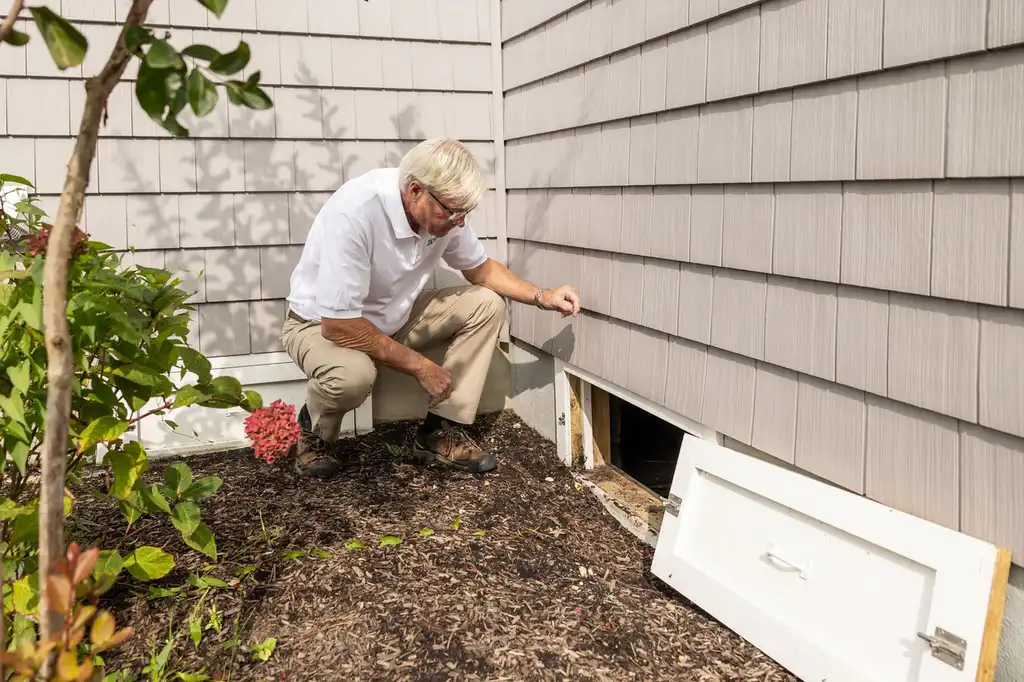
Every encapsulation we install covers the floor, walls, drainage, and sealing as one system. Here is what is included in a standard job, and what we add only when the inspection shows it is needed, like mold remediation or foundation crack repair.
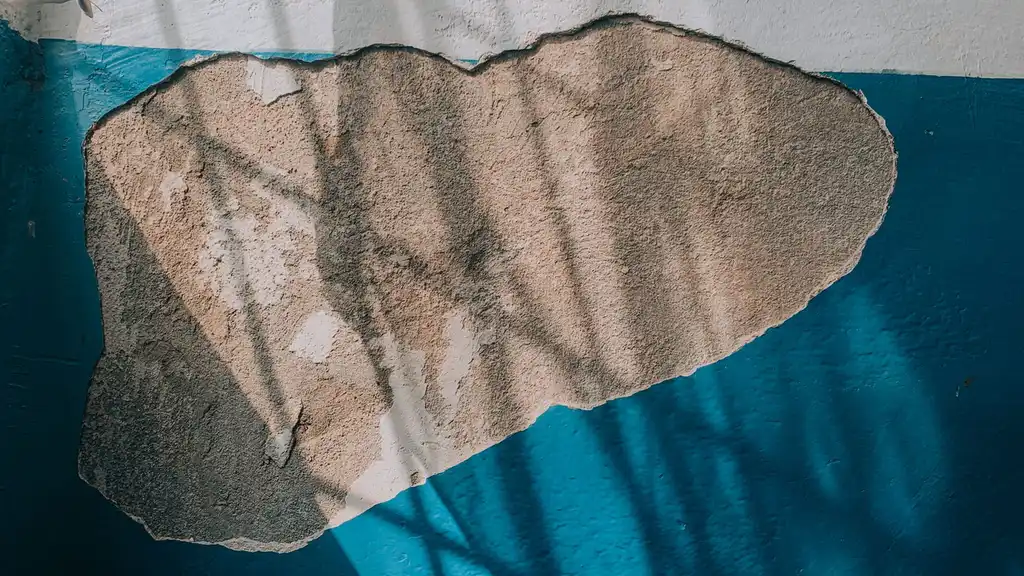
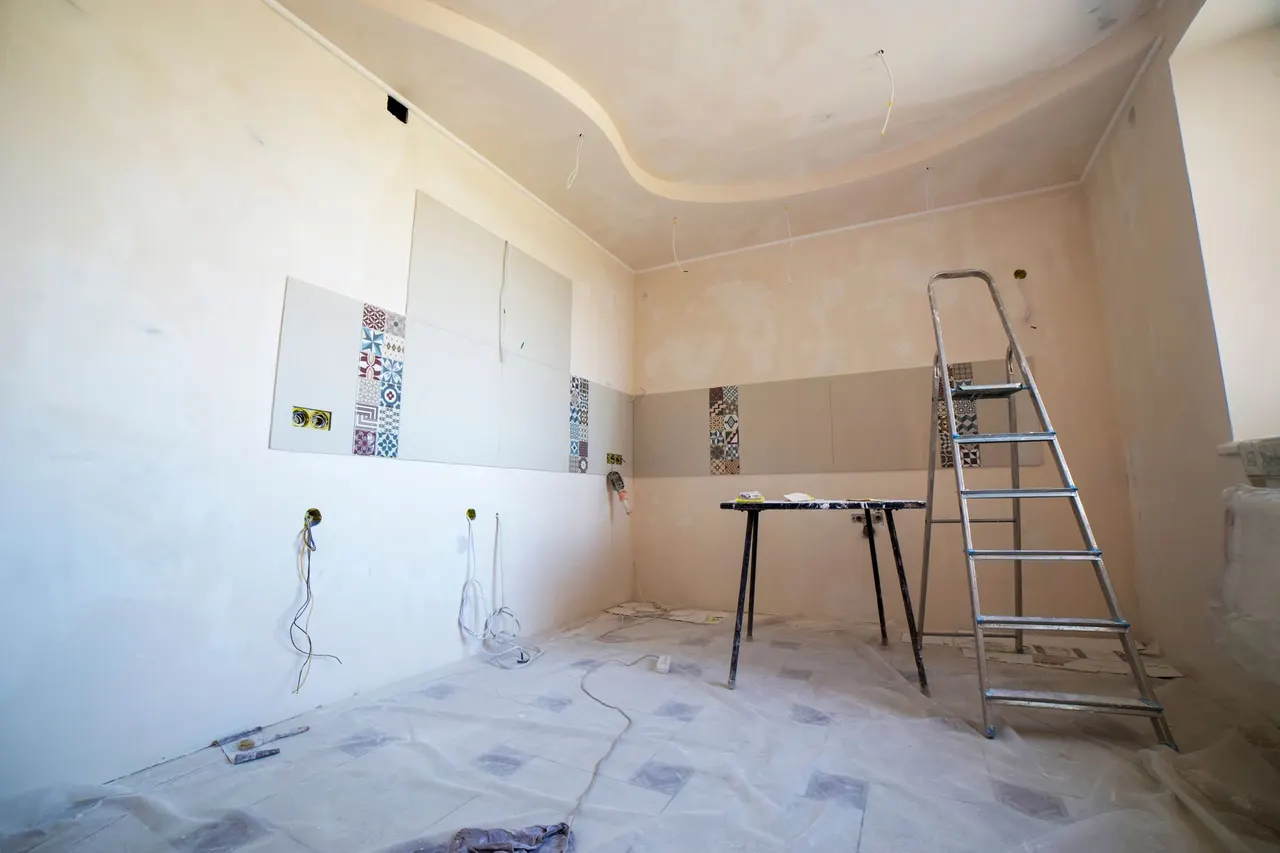
We seal dirt floors and damp foundation walls in Newport homes so moisture stops rising into your living space. You get a liner, drainage, and a dehumidifier working as one system.
We handle crawl space encapsulation for rental properties, multi-unit buildings, and small commercial spaces in Newport. Each unit gets its own moisture readings and documentation.
Crawl space encapsulation Newport KY is a sealed liner system that covers the dirt floor and wraps up the foundation walls, cutting off the ground as a moisture source. We start by removing debris and standing water, then lay a reinforced crawl space liner across the floor and up the walls, sealing every seam and penetration with polyurethane sealant. A perforated drain pipe and sump pump discharge pipe handle any water that still finds its way in, and we finish by tying the liner into the rim joist so humid air has nowhere to enter.
Newport sits along the Ohio River, and that river valley humidity works its way into crawl spaces all summer. Most of the homes we open up in Campbell County have bare dirt floors, fiberglass insulation sagging between the joists, and a musty odor that climbs into the living room. A crawl space moisture barrier Newport KY homeowners can actually trust keeps that damp air from rotting floor joists and feeding mold growth. If you have been searching for crawl space encapsulation near me Newport, we cover the whole city.
Seal the ground, control the humidity, and the crawl space stops feeding moisture into your home.
Every job follows the same sequence, whether it is a 600-square-foot crawl space in Fifth Ward or a 1,400-square-foot one near The Point. Here is what you can expect from the first call to the final walkthrough.
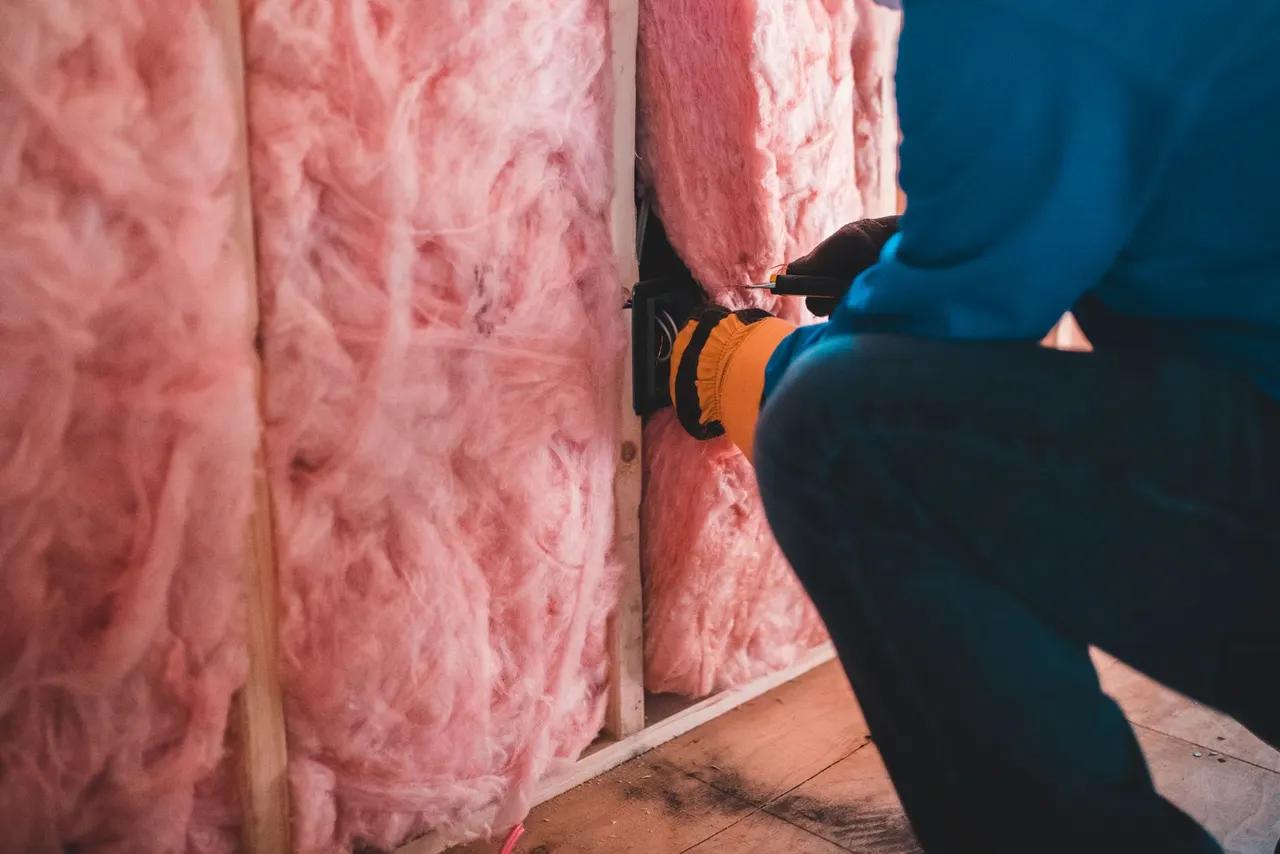
We crawl the space with a moisture meter and thermal imaging camera, then run a boroscope inspection camera along the rim joist to find hidden leaks. You get photos and a written scope the same day. Most inspections take 45 to 60 minutes.
Standing water comes out first with a submersible sump pump or a truck-mounted water extractor if the volume is heavy. We vacuum the last of it with a wet/dry shop vacuum, then set air movers and a dehumidifier to dry the wood before any liner goes down.
We pull out wet fiberglass insulation, bag it, and haul it off. Exposed joists and subfloor get sprayed with antimicrobial solution, and any foundation cracks get filled with hydraulic cement or epoxy crack filler before the liner covers them.
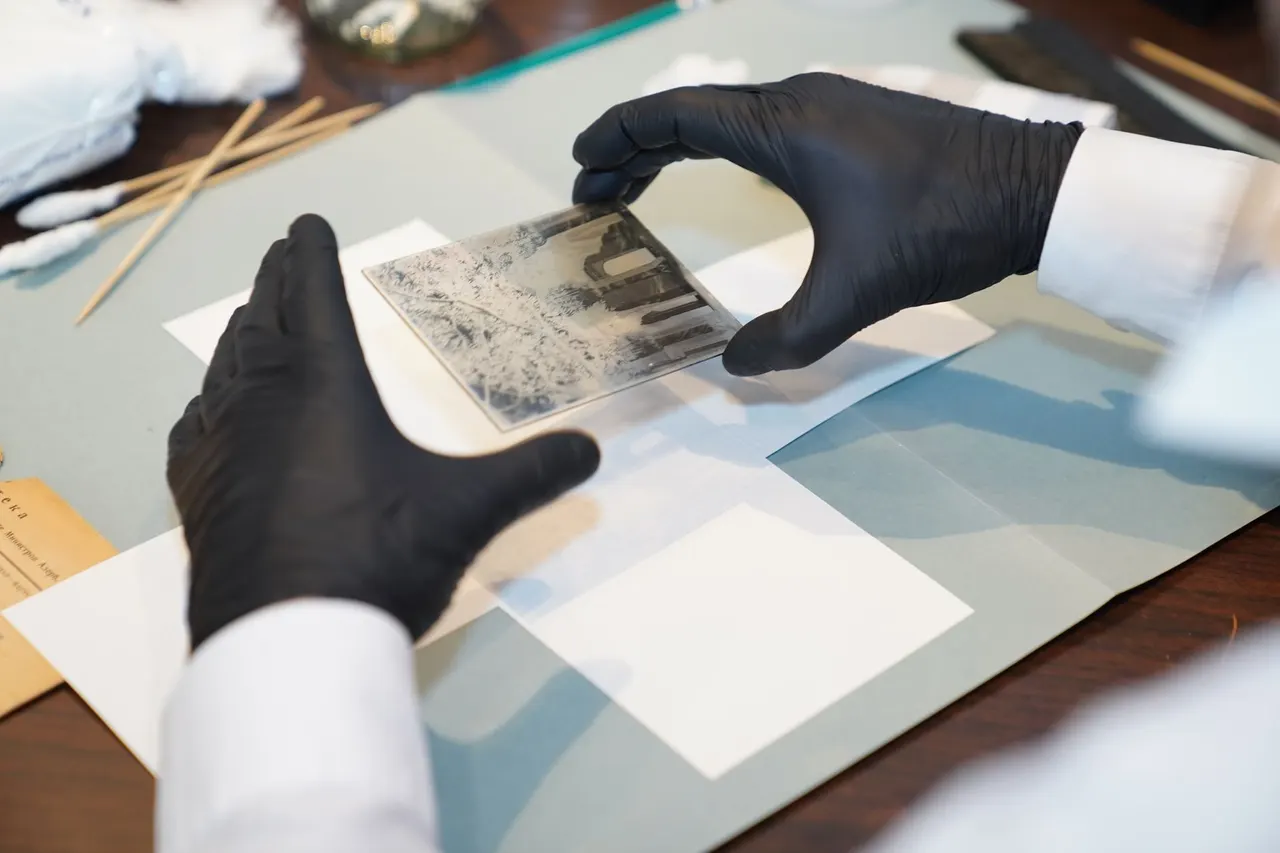
A reinforced crawl space liner goes down across the floor and up the walls, with seams overlapped and sealed. We install a perforated drain pipe in gravel at the low corner, tie it to a sump pump with a check valve, and seal the vent openings.
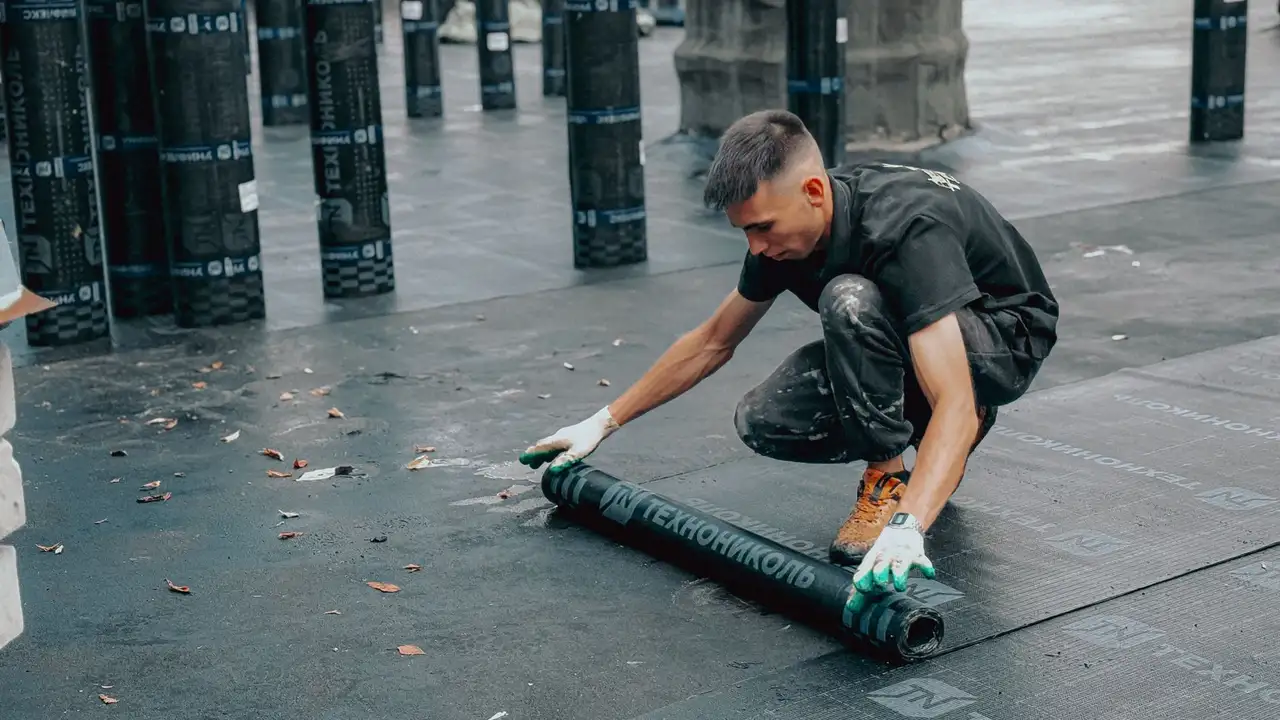
We run the dehumidifier, check humidity with a hygrometer, and walk you through the space. You get the moisture readings, the pump test results, and a maintenance schedule. Most full encapsulations take two to three days.
We measure wood moisture content and relative humidity before, during, and after the job. The liner goes down only when the wood reads under 16 percent.
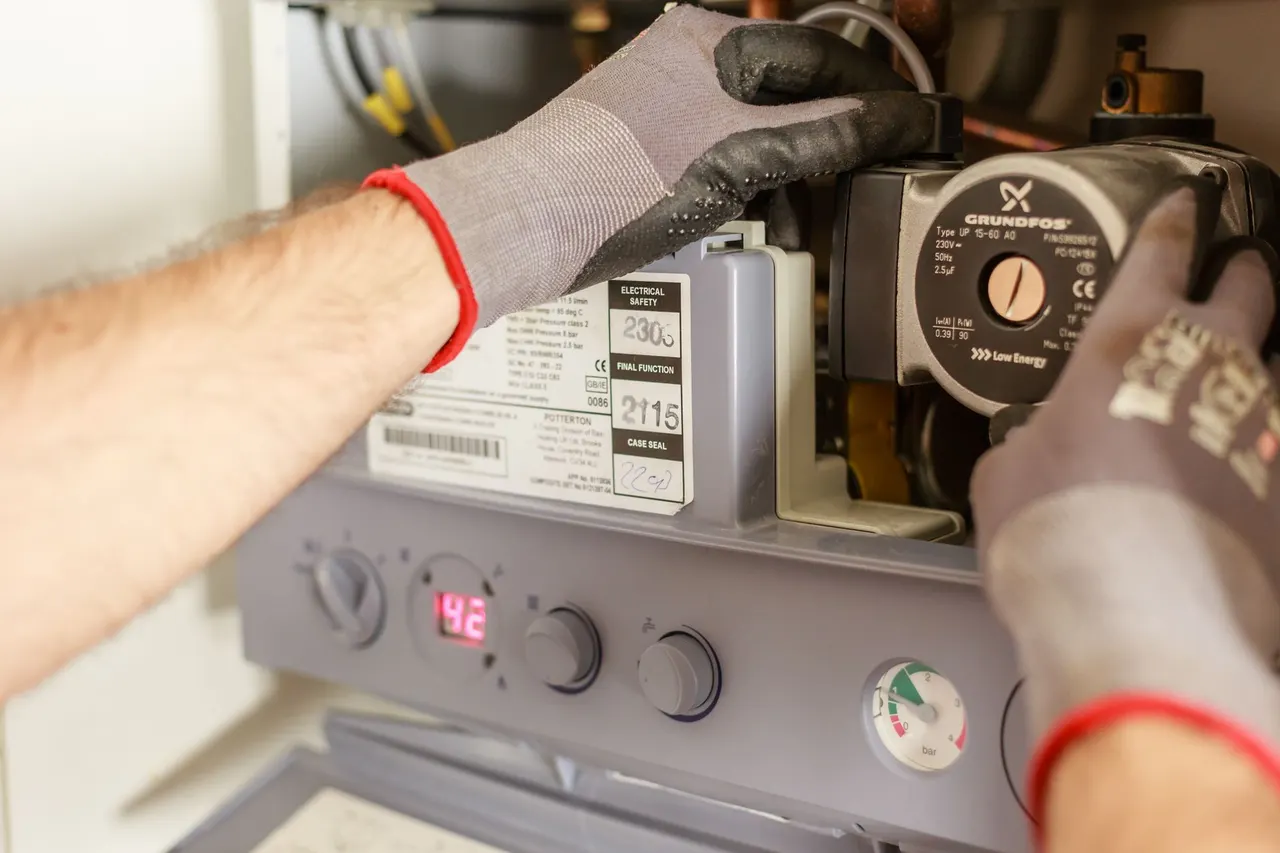
It shows us cold spots and hidden moisture behind walls and under floors without tearing anything apart. We use it to trace where water is entering the crawl space.
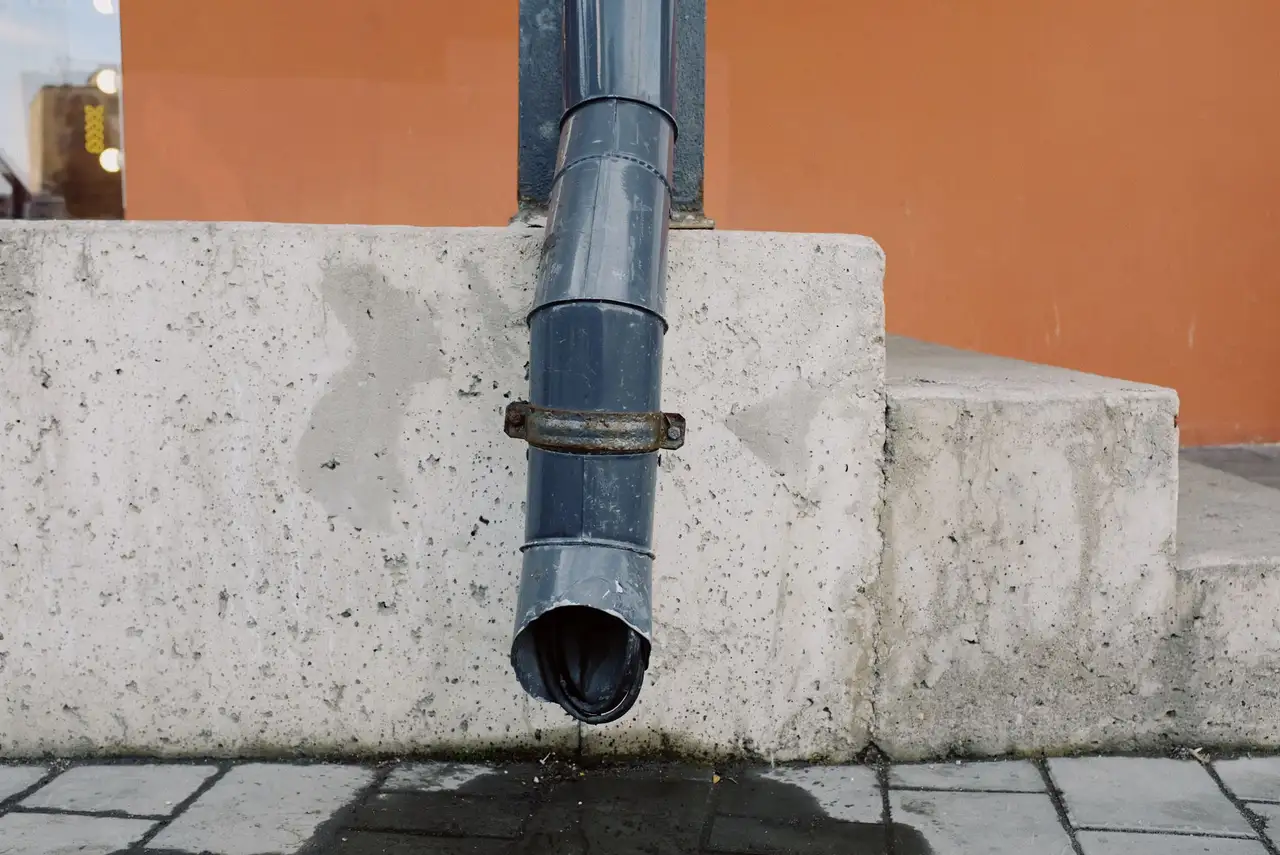
A flexible camera lets us look inside rim joists, behind insulation, and along foundation cracks. It finds leaks and damage we cannot see from the crawl space floor.
These move high volumes of air across wet wood to speed drying. We run them alongside dehumidifiers until moisture readings drop into the safe range.
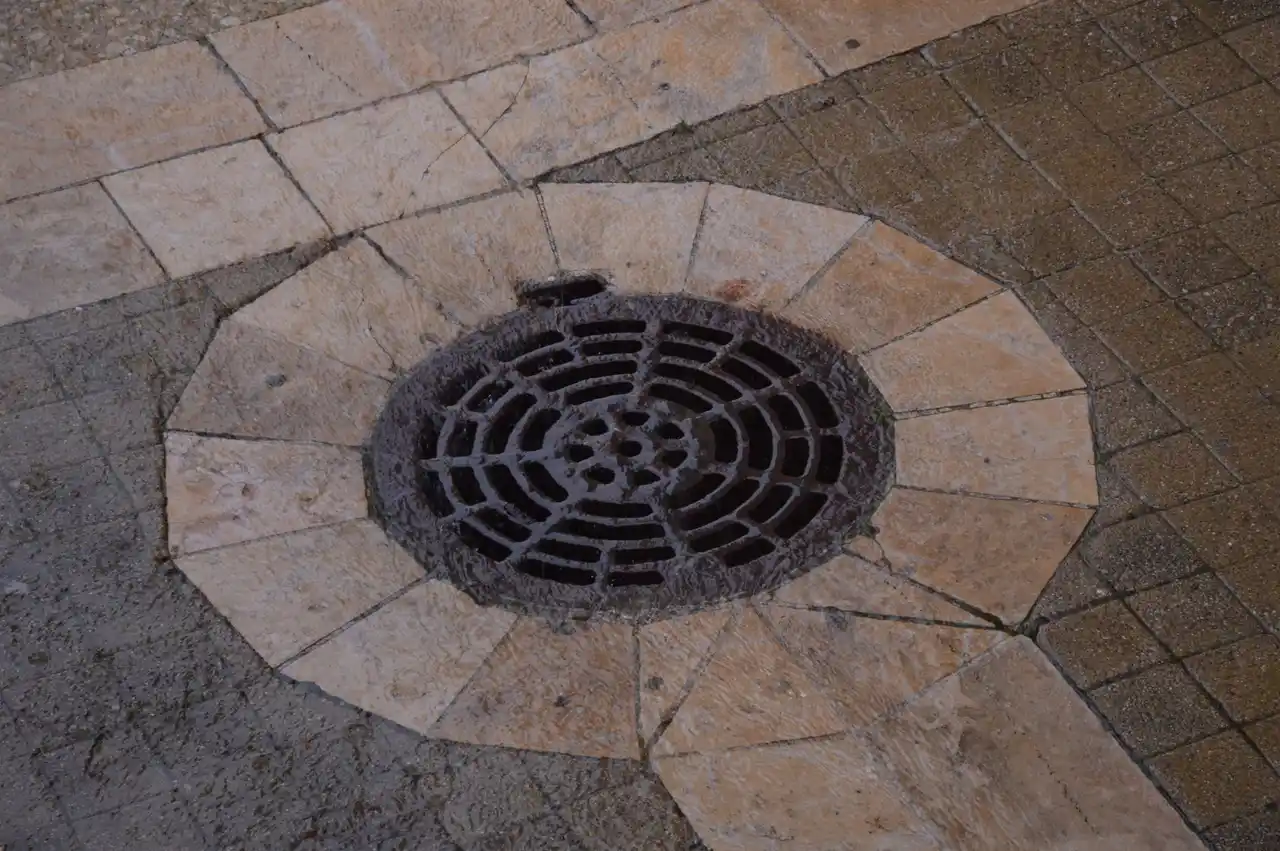
The sump pump handles standing water in the crawl space, and the truck-mounted extractor pulls large volumes fast when a storm floods the space.
A crawl space dehumidifier holds the sealed space under 50 percent relative humidity year round, which is what keeps mold from returning.
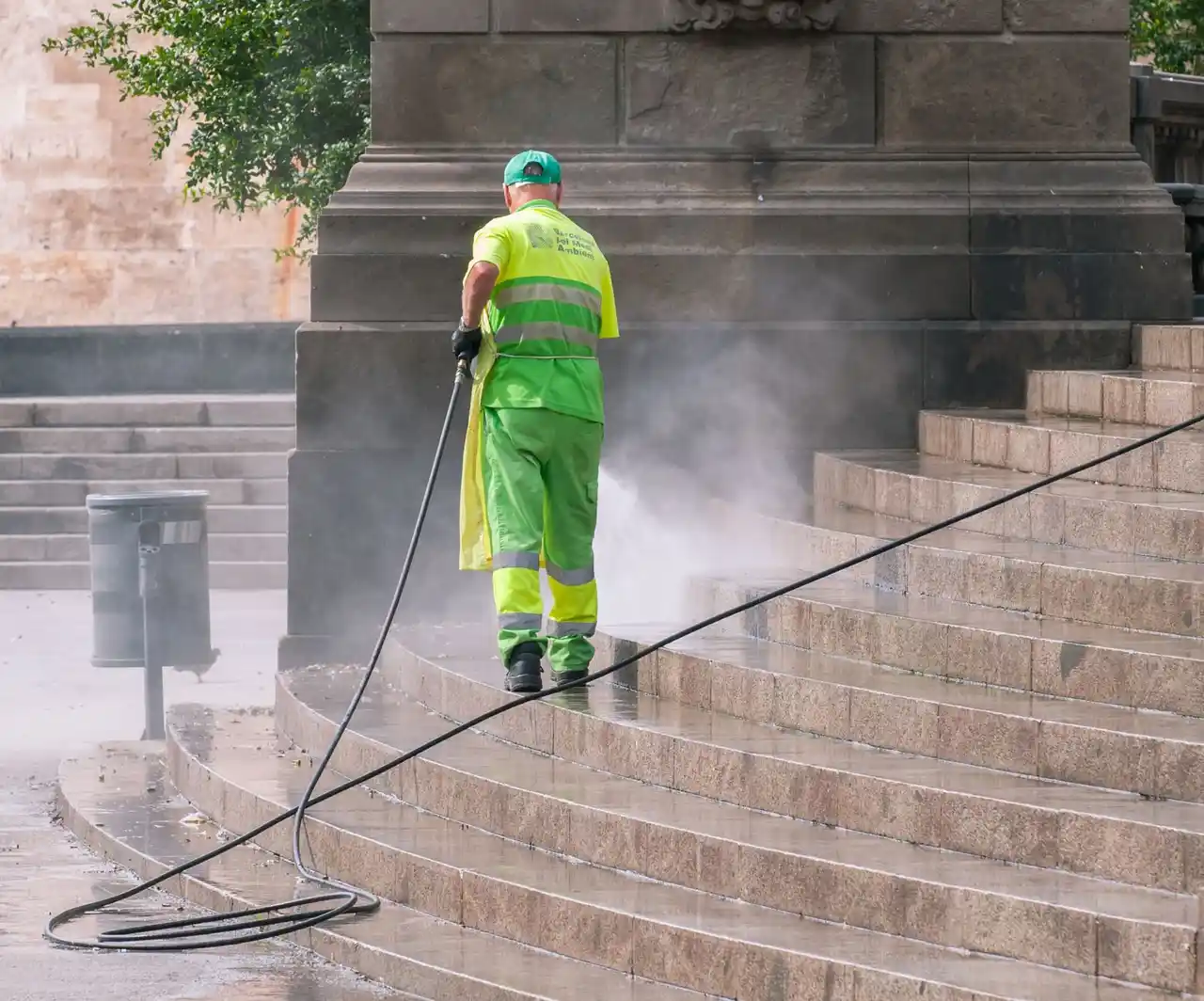
We follow the IICRC Applied Structural Drying standard to dry wood and structural materials before encapsulation. That means measuring moisture content, running the right number of air movers and dehumidifiers, and documenting readings until the structure is dry.

The liner is overlapped at seams and sealed with polyurethane sealant, then tied into the rim joist. We close the foundation vents and seal pipe and wire penetrations so humid air has no path into the crawl space.
We inspect the space, measure moisture in the joists, and quote encapsulation before closing. If there is active mold, we handle remediation first, then install the liner and drainage system. You close with a clear scope and a fixed price, and the crawl space is sealed before you move in.
We seal the vents, install a reinforced liner, and set a dehumidifier to hold humidity under 50 percent. We also check for foundation cracks and clogged gutter downspouts that feed the problem. The HVAC stops conditioning outside air, and the floor above stays warmer and drier.
We pump the water out, dry the wood with Dri-Eaz air movers and a dehumidifier, then replace the failed pump and check valve. Once the space is dry, we install or repair the liner. The crawl space is dry within two days, and the new pump and drainage handle the next storm.
We test and remediate the mold with IICRC AMRT protocols and antimicrobial solution, remove damaged insulation, and then encapsulate the space so moisture cannot return. Mold is removed, the odor is gone, and the sealed crawl space holds under 50 percent humidity.
Newport's river-valley climate is the whole story here. Summer humidity sits high for months, and the Ohio River keeps the ground damp even in dry spells. Most homes in Campbell County were built before 1978, which means we follow EPA Lead-Safe practices when we remove old insulation and disturb painted surfaces. Foundation walls in these older homes are often stone or block, and cracks let water in under hydrostatic pressure after heavy rain. We fill those cracks with hydraulic cement or epoxy crack filler before the liner goes down. A crawl space moisture barrier Newport KY homeowners can depend on has to handle both the summer humidity and the spring storms, so we seal the vents, install a dehumidifier, and tie the drainage into a sump pump. If you need affordable crawl space encapsulation Newport KY, we quote the whole system up front, and we can usually inspect within a day or two of your call.
A 900-square-foot crawl space with a bare dirt floor, sagging wet insulation, and 78 percent relative humidity. The homeowner noticed a musty smell in the living room and cold floors in winter. Joists showed early mold growth near the rim.
We removed the wet insulation, treated the wood with antimicrobial solution, installed a reinforced liner with sealed seams, and set a dehumidifier. Humidity dropped to 44 percent, and the musty odor cleared within a week. Floor temperatures above rose noticeably.
Check the dehumidifier drain line monthly and keep the space clear of stored items. We recommend a humidity check each spring before the wet season starts.
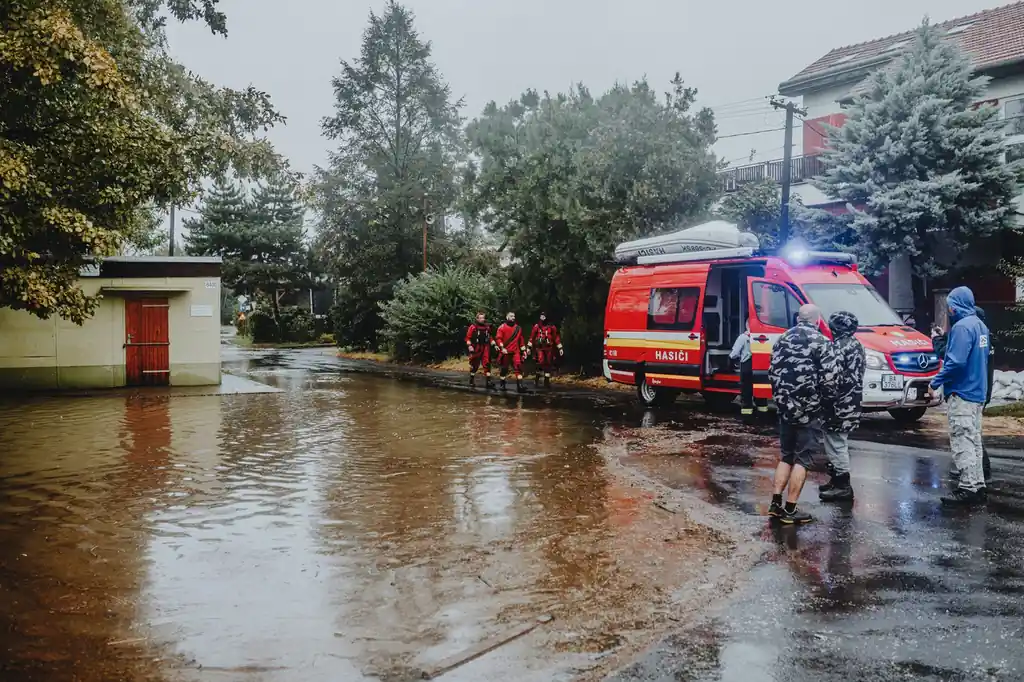
A storm dumped two inches of rain in an hour, a sump pump failed, and the crawl space took on six inches of standing water. Insulation was soaked, and the wood read 32 percent moisture content. The homeowner called after noticing water stains on the first-floor hardwood.
We pumped the water out, extracted the rest, and ran Dri-Eaz air movers and a dehumidifier for two days until the wood read 14 percent. We replaced the failed pump, added a check valve, and encapsulated the space. The hardwood above dried without replacement.
Test the sump pump every quarter by pouring a bucket of water into the pit. Keep the discharge line clear of leaves and check the check valve for sticking.
A property manager had three rentals near Broadway with damp crawl spaces, musty odors, and tenant complaints about bugs. Two had no liner at all, and one had a torn plastic sheet that had been laid loose on the dirt years earlier.
We encapsulated all three over two weeks, sealing vents, installing liners and sump pumps, and setting dehumidifiers. Humidity readings came back between 42 and 47 percent in each unit. Tenant complaints about dampness and pests dropped to zero.
We schedule an annual humidity and pump check on each unit. Property managers get a one-page report with readings so they can document the condition for owners.
Most crawl space calls start with a smell, a cold floor, or a high utility bill. Here are the problems we find most often in Newport homes and how we solve them.

We find the moisture source with a thermal imaging camera and moisture meter, remove moldy insulation, treat the wood with antimicrobial solution, and seal the space with a vapor barrier and dehumidifier. The odor source is gone, not just covered up. The smell comes from mold and damp wood in the crawl space, and it gets worse every humid month. Ignoring it usually means mold spreads to joists and subfloor, which is a much bigger repair.

We pump the water out with a submersible pump or truck-mounted extractor, dry the wood with air movers and a dehumidifier, then install a perforated drain pipe, gravel bed, and sump pump as part of the encapsulation so the next storm drains away. Water in a crawl space rots joists, warps floors above, and can reach electrical junctions. Left alone, it turns into a mold job and sometimes a structural repair.
We seal the vents, install a reinforced liner, and set a crawl space dehumidifier to hold humidity under 50 percent. The floor above stays warmer in winter, and your cooling system stops conditioning outside air. A vented crawl space pulls river-valley humidity into the house all summer and lets cold air in during winter. Your HVAC runs longer and your floors stay cold.

We remove the wet insulation, bag and haul it out, dry the structure, and replace it only after encapsulation is complete. New insulation stays dry because the liner and sealed vents keep moisture out. Wet insulation holds moisture against wood and loses its R-value. It also falls apart and can block access to the crawl space.
A vented crawl space pulls humid summer air into your home all season. Once we seal it, your HVAC system stops conditioning that outside air. Newport homeowners routinely see their summer cooling costs drop because the system is no longer fighting river-valley humidity rising through the floor.
That smell in your front room is crawl space air moving up through the floor. We remove the moldy insulation, treat the wood with antimicrobial solution, and seal the source. Most homes lose the odor within a few days of the liner going down and the dehumidifier running.
Mold needs moisture above 60 percent relative humidity to take hold on joists and subfloor. We measure with a hygrometer before and after, and the sealed crawl space holds under 50 percent year round. That is the difference between a floor structure that lasts and one you replace.
Termites, crickets, and rodents all want the same thing: dark, damp, accessible space. A sealed liner with taped seams and sealed penetrations removes the moisture and closes the entry points. Newport homeowners tell us the bug calls drop off within the first season after encapsulation.
Clear records you can keep and share.
Photos, moisture readings, and a fixed price
Reinforced vapor barrier with taped seams
Perforated pipe, gravel, sump pump, check valve
A crawl space liner only works when the wood underneath is dry and the space is sealed. Covering wet ground with plastic traps moisture and makes mold worse.
Wood has to read under 16 percent moisture content before any liner goes down. We measure with a meter and run air movers until it is dry.
Open foundation vents pull humid summer air into the crawl space. We close them and rely on a dehumidifier to control humidity instead.
Groundwater still finds its way in, so we install a perforated drain pipe in gravel and tie it to a sump pump with a check valve.

Outside these areas? Call and ask - we may still be able to help. +18598328132
Most Newport crawl space encapsulation jobs run $4,500 to $12,000 in 2026, depending on square footage, how much water damage we find, and whether a sump pump or French drain is needed. A basic vapor barrier on a dry 800-square-foot crawl space sits at the low end. Mold remediation, insulation replacement, or foundation crack repair push it higher. We give you the full number in writing after the inspection, with no per-hour surprises.
We do, and we cover every Newport neighborhood from Downtown to Aquidneck Avenue. Our crews install reinforced liners, perforated drain pipe, and sump pumps as one sealed system. If you have been searching for professional crawl space vapor barrier in Newport, Kentucky, call us and we will inspect the space, measure the moisture, and show you photos of what is actually happening under your floor before you commit to anything.
A typical encapsulation takes two to three working days. Day one is water removal, debris haul-out, and drying. Day two is cleaning, treating, and liner installation. Day three is pump tie-in, vent sealing, and the final moisture check. If the crawl space has heavy mold growth or saturated joists, we may add a drying day before the liner goes down. We tell you the schedule up front and stick to it.
Yes, when it is done as a sealed system. Mold needs sustained humidity above 60 percent to grow on wood. Once the liner is down, the vents are closed, and a dehumidifier holds the space under 50 percent, mold cannot get the moisture it needs. We treat existing growth with antimicrobial solution first, then seal. If you skip the sealing step and just lay plastic on the dirt, mold comes right back.
We inspect, measure, and quote your crawl space before any work starts. You get photos, moisture readings, and a written scope the same day. Call +18598328132 and we will get you on the schedule.
Reach us at +18598328132 any time, day or night. We answer emergency calls around the clock and schedule standard estimates during business hours. Tell us the water source, how deep it is, and whether it smells like sewage - that tells us what to bring. We serve all of Newport and Campbell County.