Written scope
What we save and what we remove
When a burst pipe, sump pump failure, or sewage backup soaks your carpet, carpet and rug water damage restoration Newport KY is the difference between saving the floor and replacing it. We pull the water, lift the pad, treat the backing, and dry the room with calibrated equipment. Our team serves homeowners, renters, and property managers across Newport, Kentucky, and we explain every step before we start.

Every job includes the core steps that save carpet and prevent mold. Some situations need extra work, like pad replacement or subfloor sealing, and we tell you that upfront before we start. Here is what is covered.
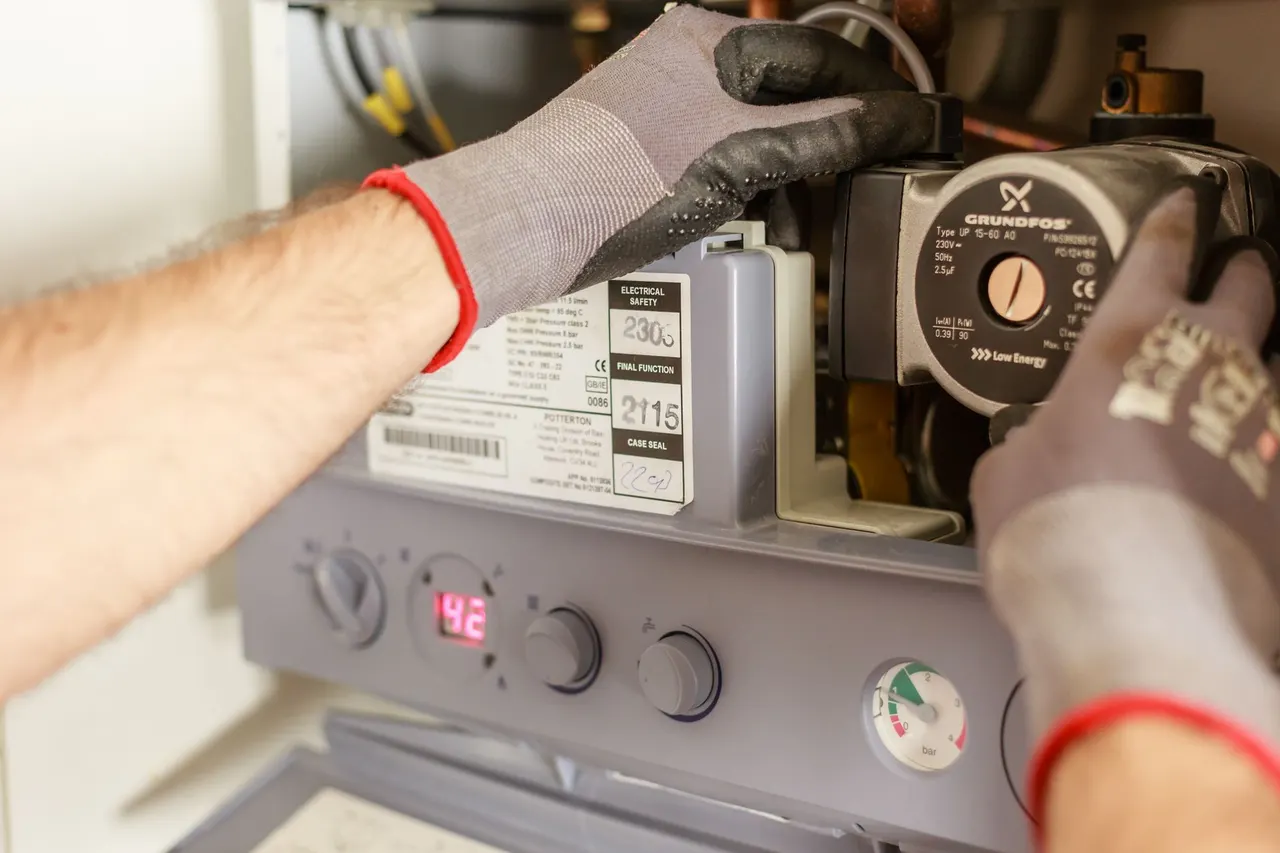
We pull water from carpet and pad, treat the backing, and dry the room until a moisture meter reads dry. You get a written drying summary at the end.
We work around your hours to extract water and dry carpet in offices, retail, and rental units. We document moisture readings for your property records.
Carpet and rug water damage restoration Newport KY is a multi-stage drying and cleaning process that removes standing water from carpet fibers and padding, then dries the backing, subfloor, and baseboards before mold can take hold. We start with a moisture meter and thermal imaging camera to map how far the water spread. Then a truck-mounted water extractor pulls the bulk of the water out, followed by air movers and dehumidifiers running until the carpet and subfloor hit dry standard. Antimicrobial solution goes down on the backing and tack strip to stop odor and microbial growth.
Most calls we get in Newport come from finished basements along the Ohio River floodplain, where hydrostatic pressure pushes water through foundation cracks after heavy spring rain. Others come from failed sump pumps during summer storms or a washing machine supply line that let go overnight. If you are searching for carpet and rug water damage restoration near me Newport, the key is speed: carpet that stays wet past 48 hours usually delaminates and has to be replaced. We also handle crawl space moisture and musty odors that follow a slow leak you did not notice for weeks.
Extract fast, dry to a measured standard, and save the carpet when the backing holds.
Every job follows the same sequence, whether it is one room or a whole finished basement. Here is what you can expect from the first call to the final walkthrough.
You call, we ask what happened and whether the water is clean or contaminated. If it is a sewage backup or flood water, we treat it as Category 3 and bring the right protective gear. We schedule a same-day or next-morning arrival and tell you to shut off the water source and kill power to any outlets near the wet area.
On site, we use a moisture meter, hygrometer, and thermal imaging camera to find where the water traveled. A boroscope inspection camera checks inside wall cavities and under cabinets. We mark the wet zone with tape, photograph it, and write down baseline readings so we can prove the drying progress later.
A truck-mounted water extractor does the heavy lifting, with a portable extraction unit for tight corners and stairs. If the pad is soaked or contaminated, we pull the carpet back, cut out the pad, and bag it. We check the tack strip and subfloor for standing water and use a wet/dry shop vacuum or submersible sump pump where needed.
We spray antimicrobial solution on the backing, tack strip, and subfloor. Then we set air movers and dehumidifiers to dry the carpet and structure. A typical room takes two to four days to dry; a full basement can take five to seven. We check readings daily and adjust equipment placement as the moisture drops.
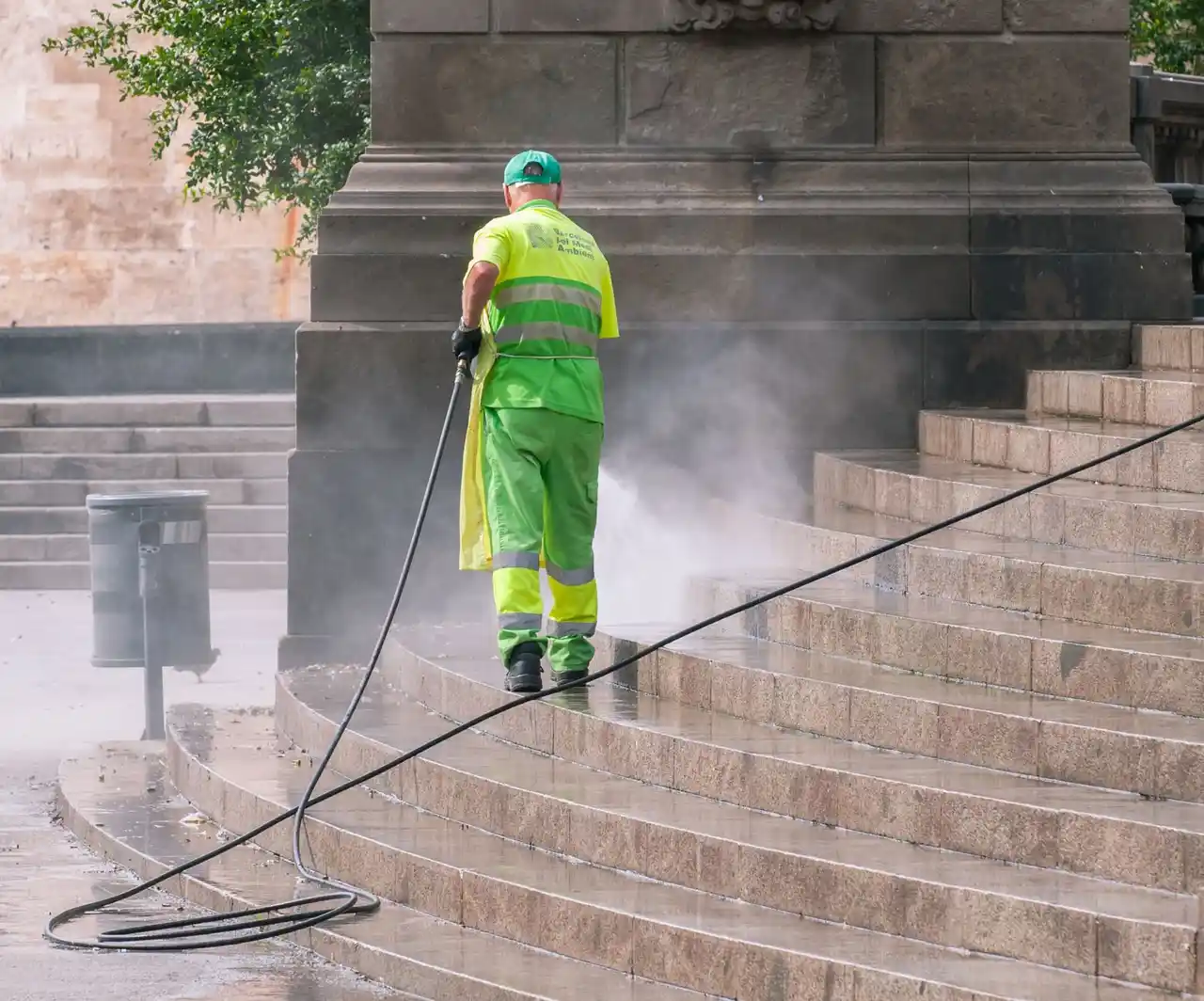
When the carpet and subfloor hit dry standard, we remove the equipment and do a final walkthrough with you. If we cut out pad, we install new pad and re-stretch the carpet so it lies flat. You get a written drying summary with final moisture readings, and we walk you through anything to watch for over the next week.
Pulls large volumes of water from carpet and pad faster than a portable unit. It is the first step on any wet carpet job and removes water that a shop vac cannot reach.
Used for stairs, closets, and tight corners where the truck mount cannot reach. It lets us extract the full wet zone instead of leaving edges and transitions soaked.
Move air across the carpet and pad to speed evaporation. We position them to create a circular airflow pattern that dries the backing and subfloor evenly.
Pulls moisture out of the air so the carpet keeps drying instead of reabsorbing humidity. We size the unit to the room volume and run it until the hygrometer reads dry.
Measure moisture content in the carpet, pad, and subfloor, and track relative humidity in the room. These readings tell us when the job is actually done.
Shows temperature differences that reveal hidden water behind baseboards, under cabinets, and inside wall cavities. It helps us find the full wet zone before we start drying.
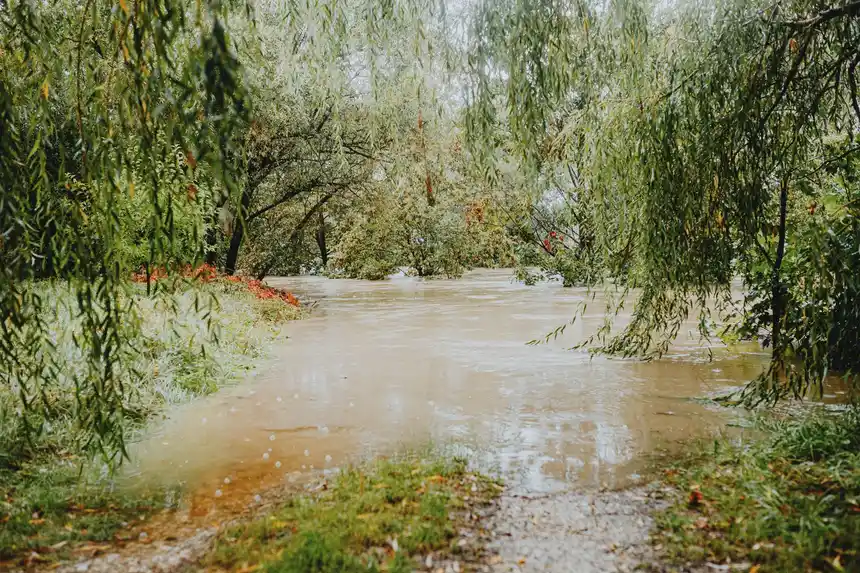
Lets us look inside wall cavities and under floors without cutting a large hole. We use it to confirm the cavity is dry before closing up drywall.
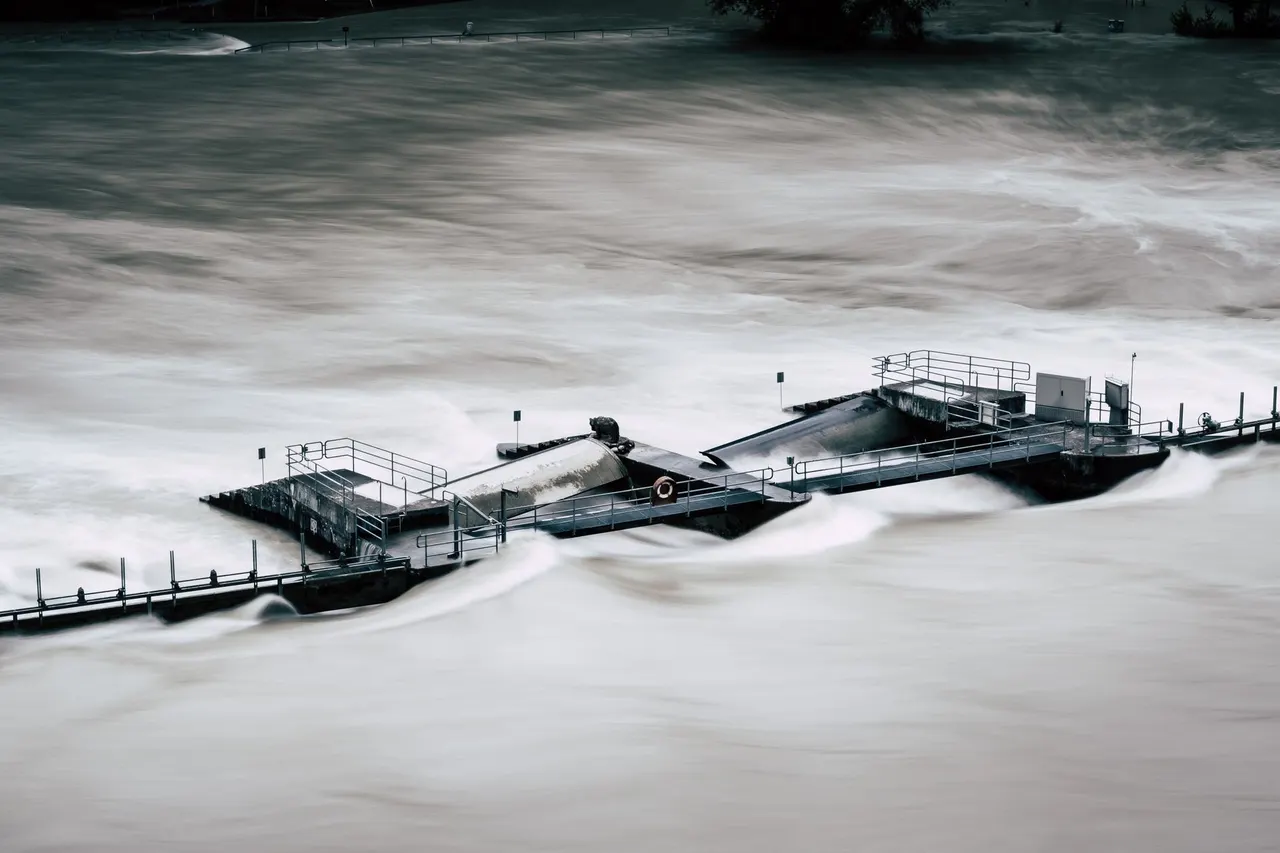
We follow the S500 standard for classifying water, setting drying goals, and documenting the job. It is the industry benchmark that insurance adjusters recognize, and it keeps the work consistent from one job to the next.
We shut off the water, cut into the drywall to release trapped water, extract the carpet and pad, and dry the wall cavity and floor together. A boroscope inspection camera confirms the cavity is dry before we close it up. The carpet is dried in place, the wall is repaired, and you avoid replacing flooring in the whole room.
We treat it as Category 3, remove the contaminated carpet and pad, disinfect the subfloor, and dry the space. We document everything with photos and moisture readings for the property owner and the insurance claim. The unit is safe to re-occupy, the odor is gone, and new pad and carpet go down without replacing the subfloor.
We pump out the standing water, extract the carpet and pad, cut out wet drywall at the baseboard line, and dry the structure. We check the crawl space and vapor barrier for water that came in below the floor. The basement dries to standard, mold is prevented, and the carpet is saved where the backing held up.
We extract the water, pull the carpet back, replace the soaked pad, and set air movers and dehumidifiers. A hygrometer tracks the drying, and we re-stretch the carpet once the subfloor is dry. The laundry room and hallway carpet are dry and flat, and the repair is done before the weekend.
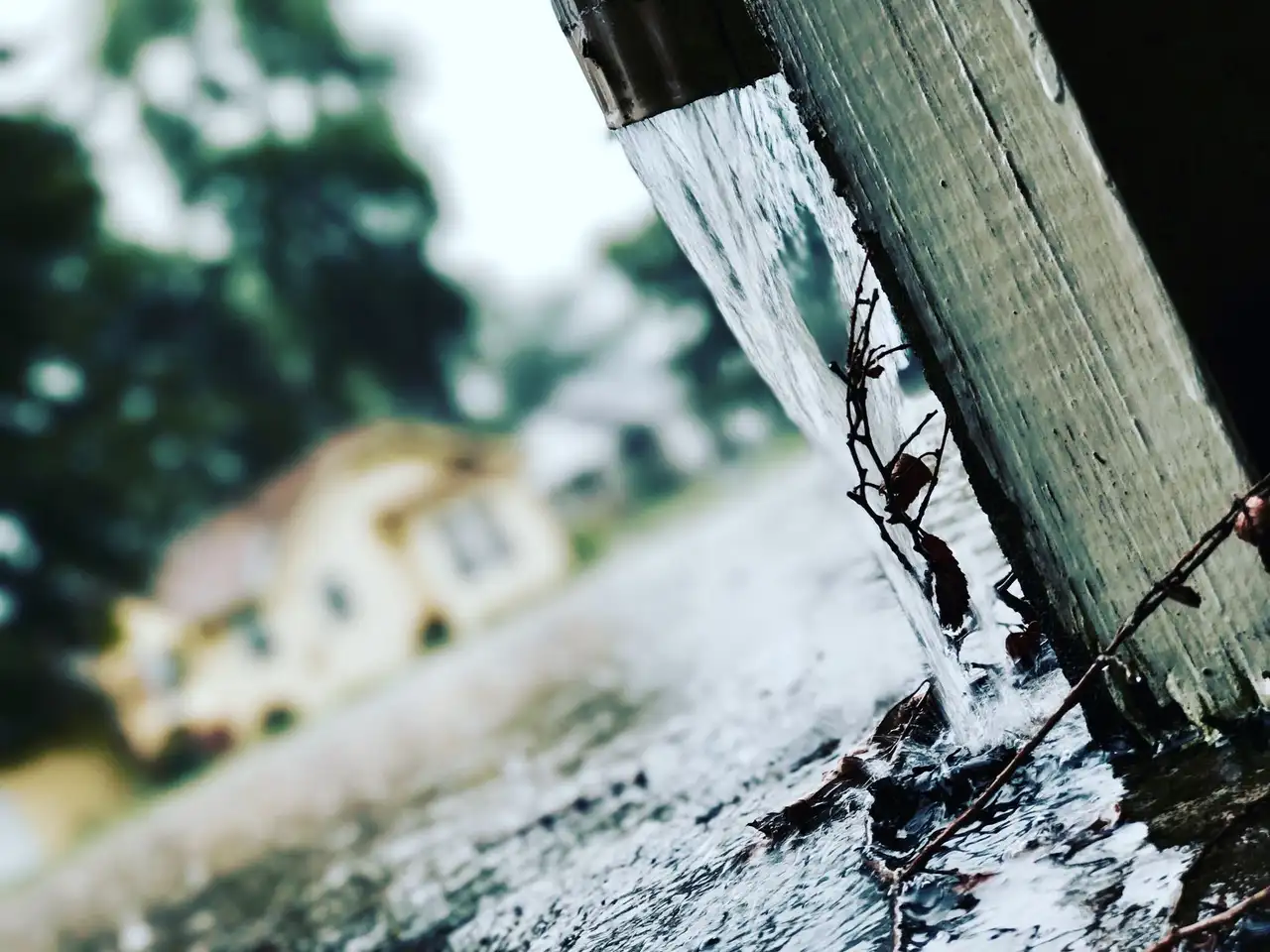
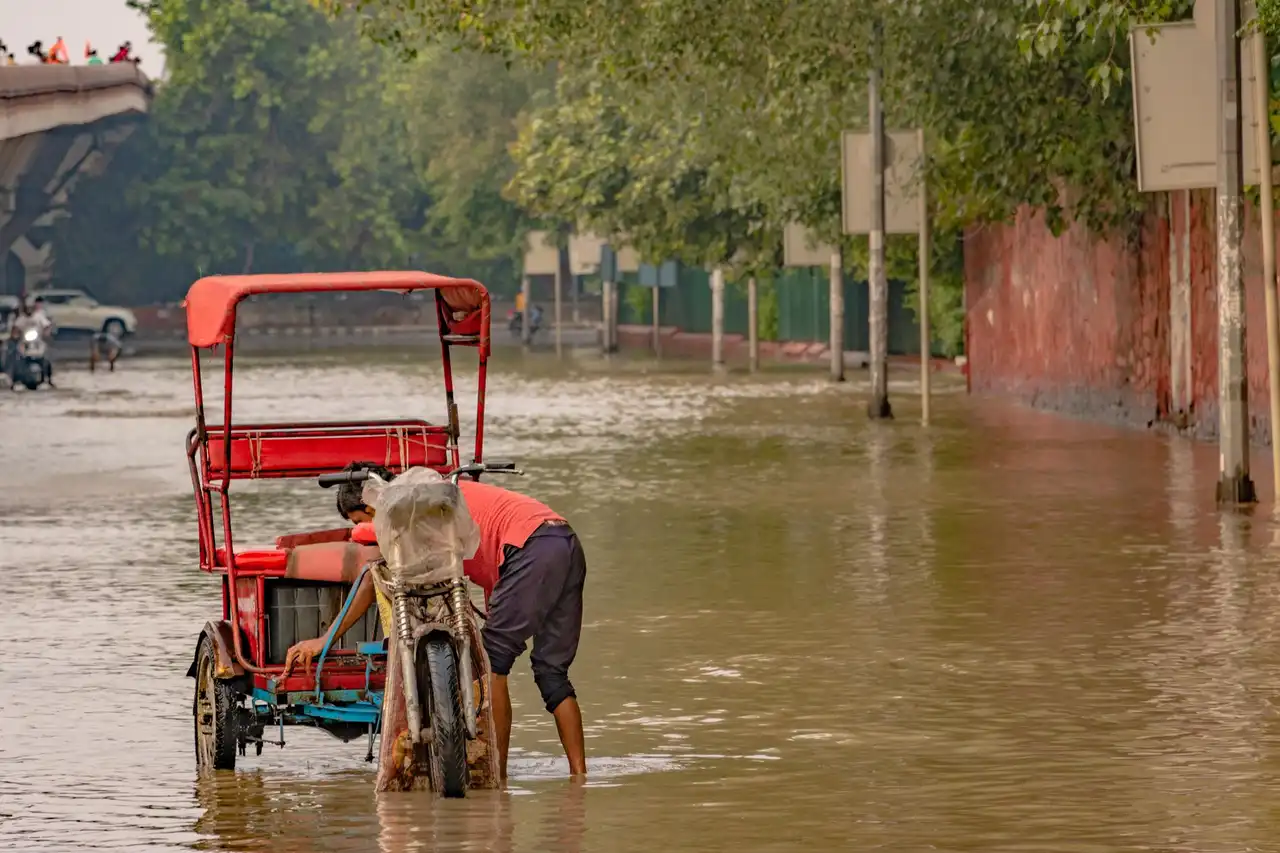
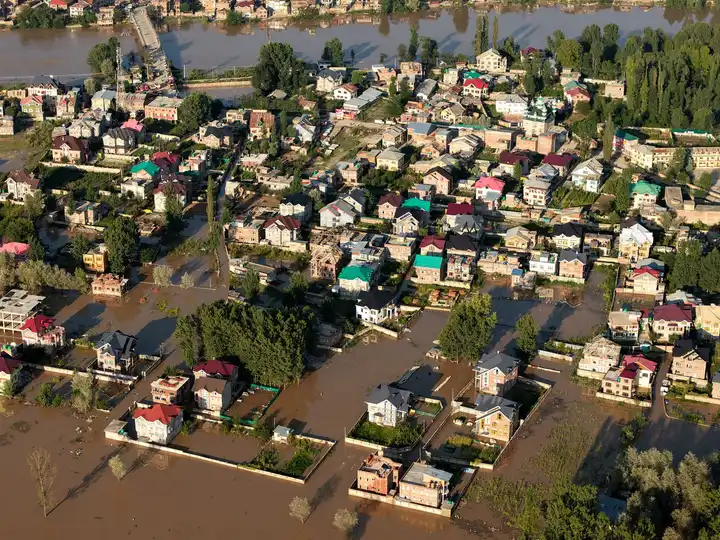
Newport sits on the Ohio River, and that shapes almost every water loss we see. Spring rain and summer storms push the river up, and hydrostatic pressure finds every foundation crack in the older basements near Downtown Newport and The Point. Many of these homes have finished basements with carpet over a concrete slab, so water wicks up through the pad and spreads wider than the visible wet spot. We map the full zone with a moisture meter and thermal imaging camera before we extract anything. Winter brings a different problem: frozen pipes in unheated crawl spaces and along exterior walls, which let go when they thaw. We also see clogged gutter downspouts sending roof water straight to the foundation. If you need professional carpet water extraction in Newport, Kentucky, the key is to start drying the same day. Campbell County permits are not usually required for drying and extraction, but if we replace drywall or do structural repair, we pull the right permits. We work in crawl spaces with vapor barriers and liners, and we check for crawl space moisture that can keep a carpet damp from below.
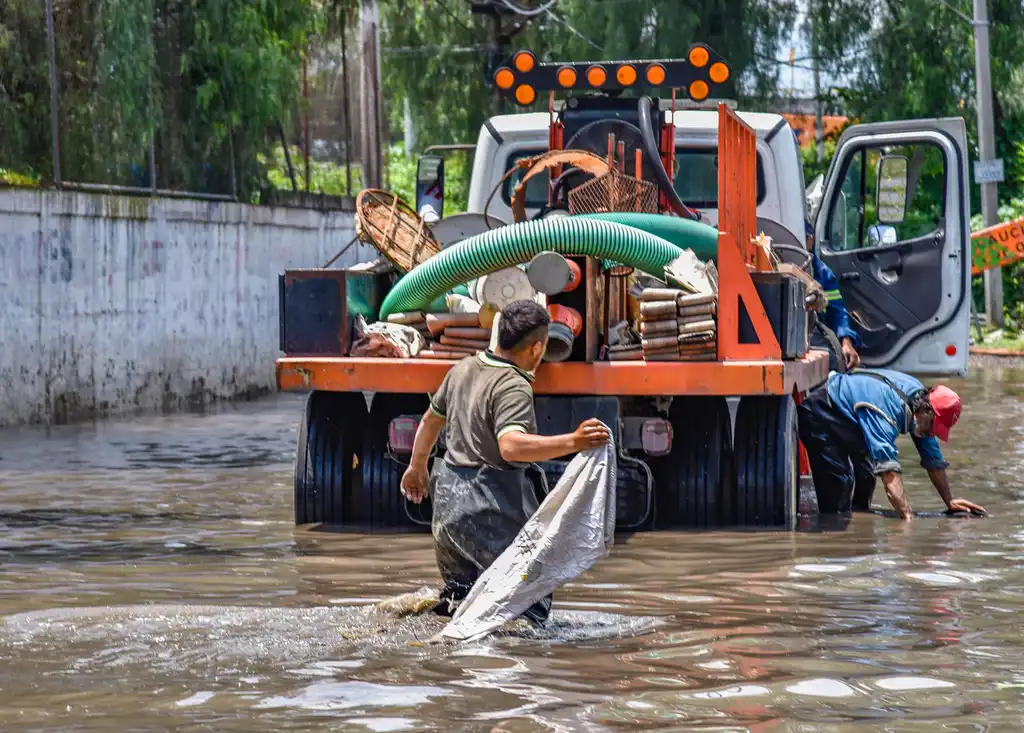
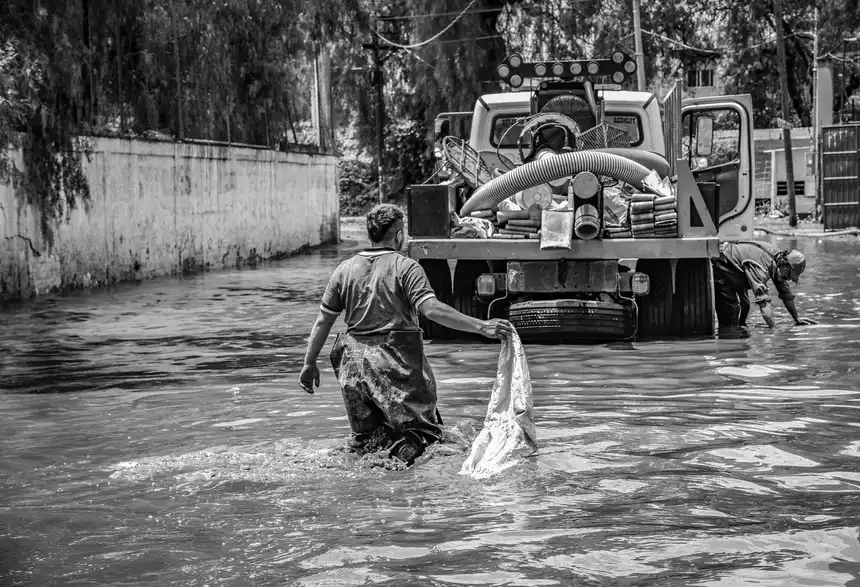
A sump pump failed during a summer storm and left two inches of water across a finished basement. The carpet and pad were soaked, the baseboards were wet, and the homeowner had already pulled up one corner of the carpet trying to dry it with fans.
We pumped out the standing water, extracted the carpet and pad with a truck-mounted extractor, cut out the soaked pad, and set air movers and a dehumidifier. Four days later the carpet and subfloor hit dry standard. We installed new pad and re-stretched the carpet.
We replaced the failed sump pump with a Zoeller unit, added a check valve, and cleared the discharge pipe. The homeowner now tests the pump before every storm season.
A sewer line backed up into a ground-floor unit and soaked the carpet with Category 3 water. The tenant had tried to clean it with a shop vac, which spread the contamination and left a strong odor in the unit.
We removed and bagged the contaminated carpet and pad, treated the subfloor with disinfectant and antimicrobial solution, and dried the space. After drying, we ran an ozone generator to clear the remaining odor, then installed new pad and carpet.
The property manager now has the main line jetted every 18 months and keeps a moisture meter on hand to check the unit after heavy rain.
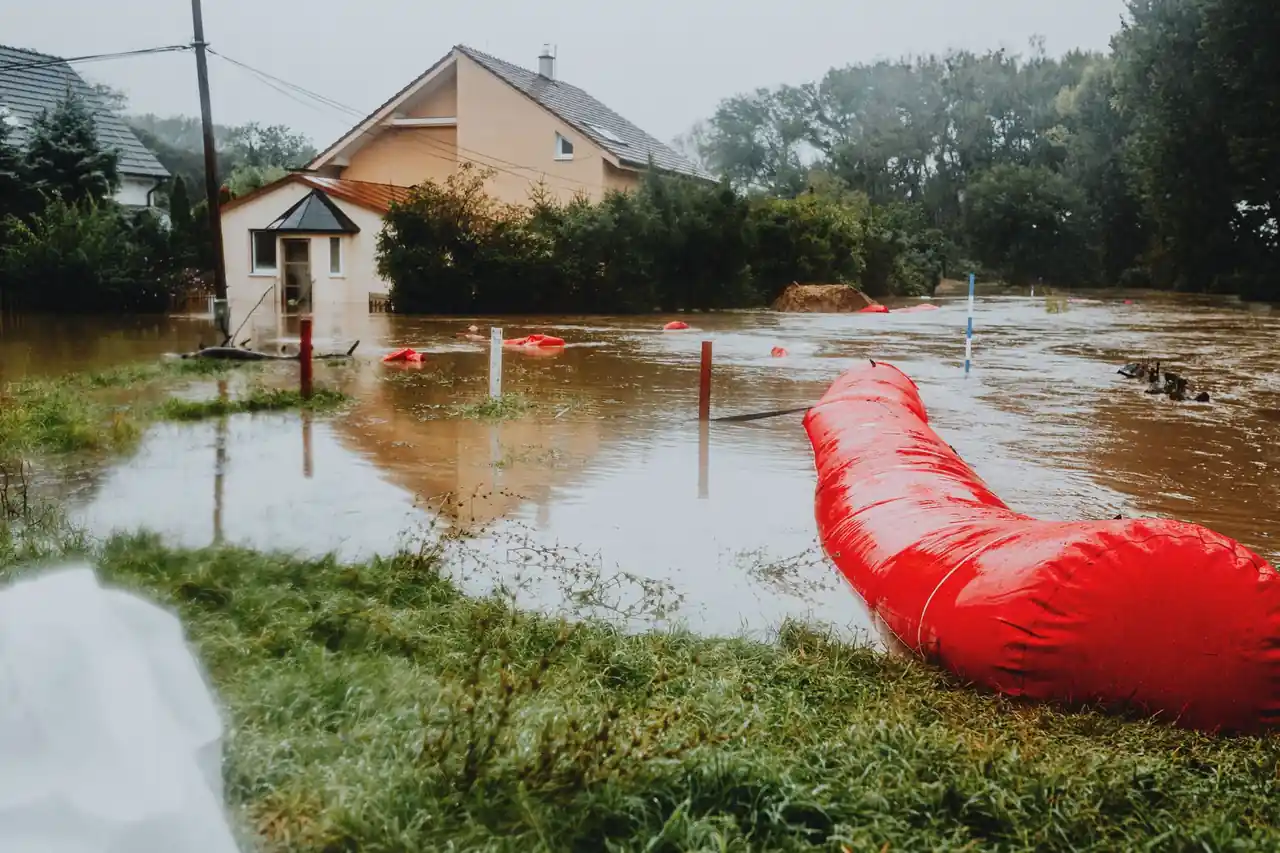
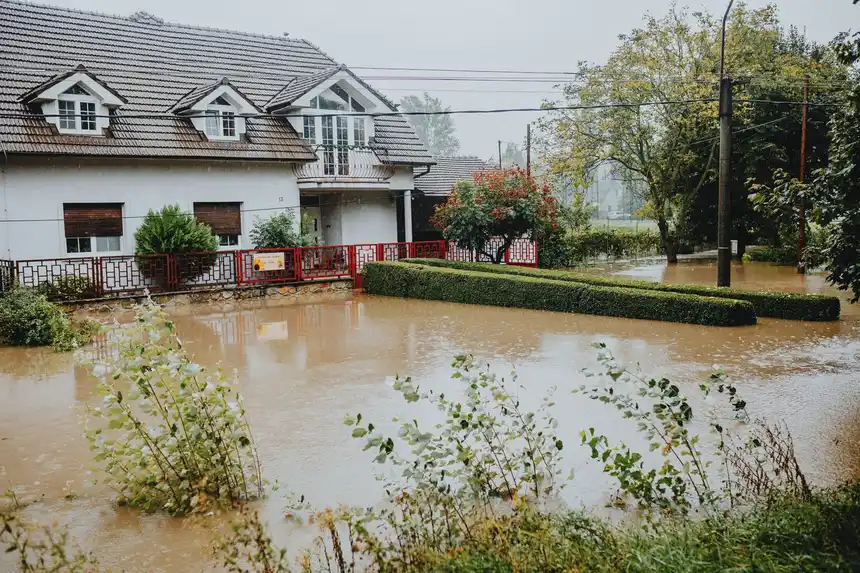
Spring flooding pushed river water into a finished basement and soaked the carpet, pad, and the bottom 12 inches of drywall. The homeowner was ready to rip out the entire floor and start over.
We pumped out the water, extracted the carpet and pad, cut out the wet drywall at the baseboard line, and dried the structure. The carpet backing held up, so we saved the carpet, replaced the pad, and re-stretched it. Final moisture readings confirmed the slab was dry.
We sealed foundation cracks with hydraulic cement, extended the downspouts, and recommended a French drain along the wet wall to reduce hydrostatic pressure before the next flood season.
Most carpet water damage we see in Newport starts with a problem the homeowner did not know about until the carpet was wet. Here are the common ones and what we do about them.
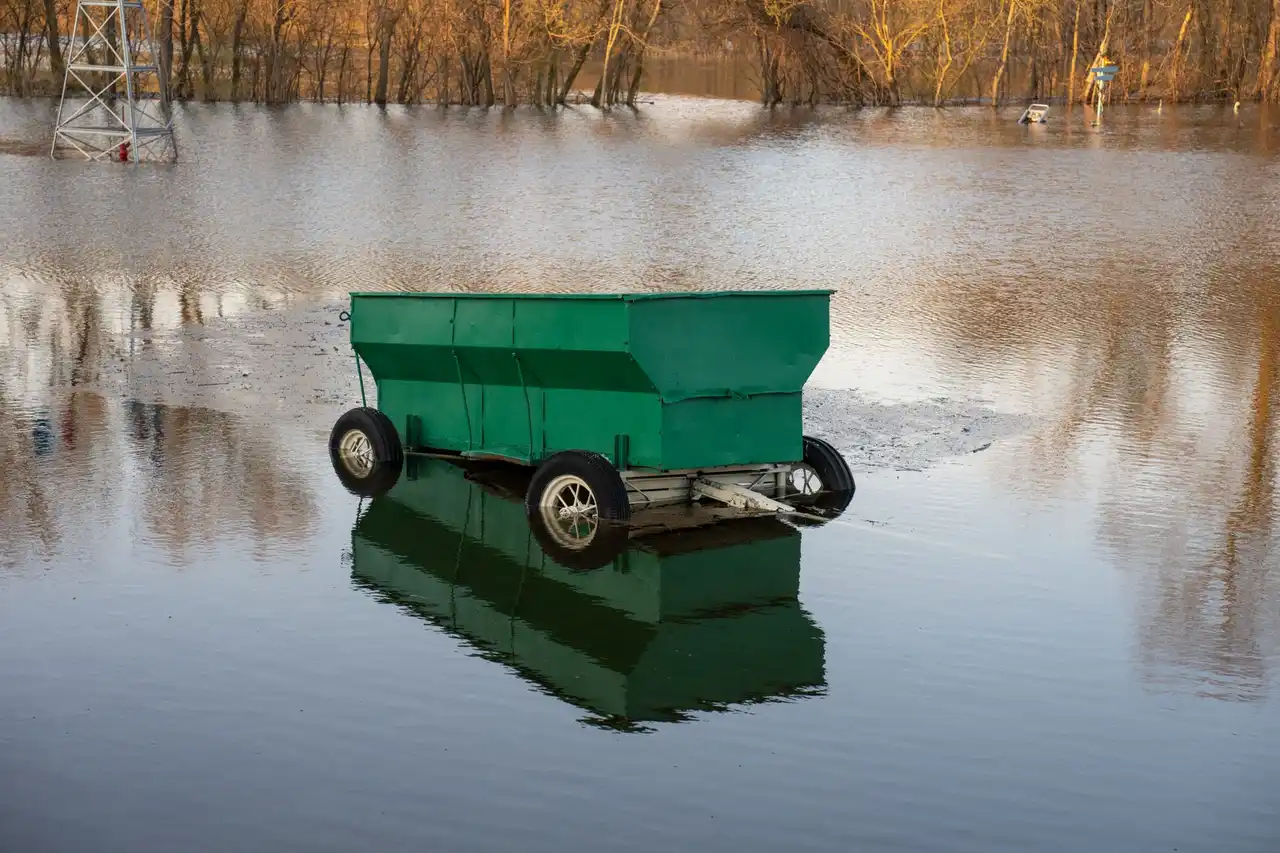
We pump out the standing water with a submersible sump pump, extract the carpet and pad with a truck-mounted extractor, and set drying equipment. We also check the sump pump discharge pipe and check valve so the same failure does not repeat next storm. Carpet and pad soak up hundreds of gallons, and the backing starts to delaminate within 24 hours. If the water sits, mold growth follows and the carpet has to be torn out.
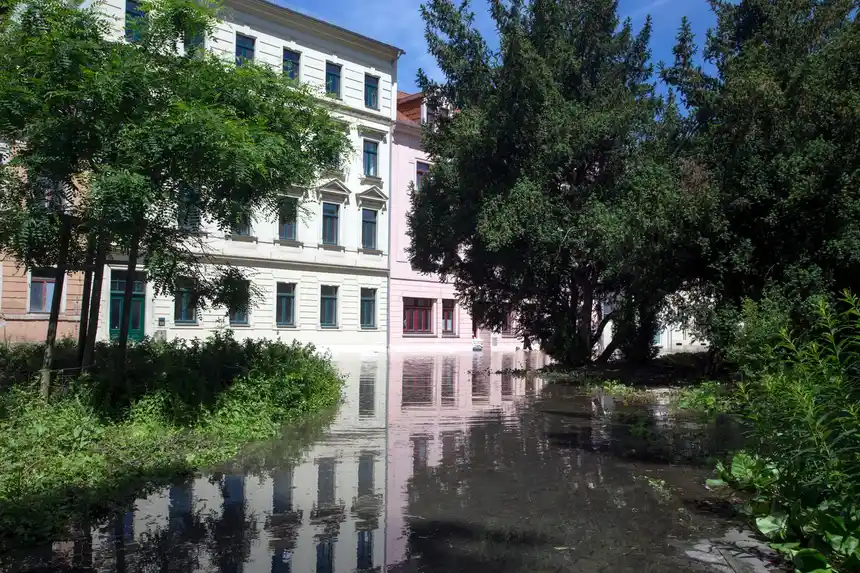
We remove and bag the contaminated carpet and pad, treat the subfloor with disinfectant and antimicrobial solution, and dry the space. After drying, we run an ozone generator if odor remains, then install new pad and re-stretch the carpet. Category 3 water carries bacteria that soak into the carpet backing and pad. A shop vac and a fan will not make it safe, and the odor lingers for months.

We map the full wet zone with a moisture meter and thermal imaging camera, extract the carpet and pad, and dry the subfloor and baseboards. We also seal foundation cracks with hydraulic cement or epoxy crack filler and address the drainage outside. Water seeps in along the base of the wall and wicks across the carpet, so the wet zone is wider than it looks. Drying only the visible spot leaves the rest of the carpet wet and prone to mold.
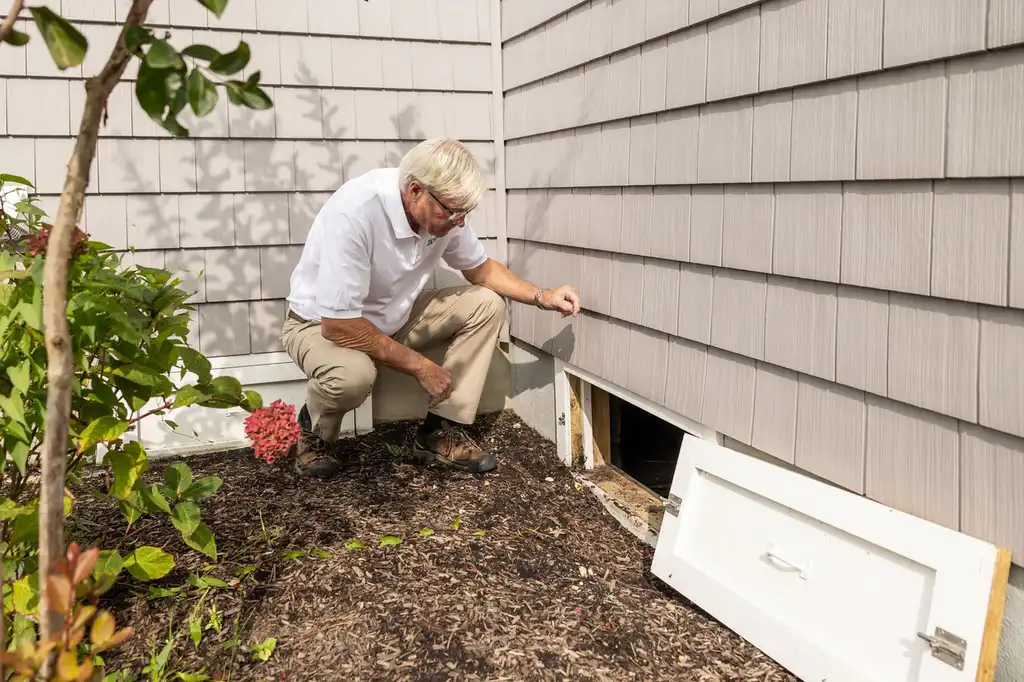
We inspect the carpet, pad, and crawl space, find the moisture source, and dry the affected area. If mold is present, we remove affected material and treat surfaces with antimicrobial solution before re-stretching or replacing carpet. A small supply line leak or crawl space moisture keeps the carpet backing damp long enough for mold growth and musty odors. By the time you smell it, the problem is bigger than the visible stain.
Carpet that is dried within 24 to 48 hours often keeps its backing, stretch, and texture. We use a truck-mounted water extractor and portable extraction unit to pull water from deep in the pile, then dry the pad in place when it is salvageable. If the pad is contaminated, we cut it out, replace it, and re-stretch the carpet so the seams disappear.
Mold can colonize wet carpet backing in as little as 24 to 48 hours. We apply antimicrobial solution to the backing, tack strip, and subfloor, then run dehumidifiers until the moisture meter reads dry. If we find mold growth behind baseboards or in the crawl space, we scope the job and explain what remediation requires.
Sewage backup is not a shop-vac job. Category 3 water carries bacteria that soak into carpet and pad. We remove and bag the affected material, treat the subfloor with disinfectant, and use an ozone generator only after the space is dry. That is how you get rid of the smell instead of covering it up.
We place a hygrometer in the room and log readings each day. You get a drying report with moisture content percentages and equipment placement, which is useful for insurance claims and for confirming the job is actually done. No guesswork, no pulling equipment early to save a day.
Clear records you can keep and share.
What we save and what we remove
Daily moisture readings and final numbers
Wet zone marked and documented
The water category and the drying timeline decide most outcomes. Clean water caught early usually means the carpet stays.
Clean supply line water is Category 1 and often saves the carpet. Sewage backup is Category 3 and usually means the carpet and pad come out.
Carpet dried within 24 to 48 hours usually keeps its backing and stretch. Past that, the backing delaminates and replacement is the better call.
A soaked pad blocks airflow to the subfloor. If it is contaminated or falling apart, we cut it out and install new pad before re-stretching.
Outside these areas? Call and ask - we may still be able to help. +18598328132
Still wondering? +18598328132
Most residential carpet water damage restoration jobs in Newport run $350 to $1,200 for one or two rooms, and $1,500 to $3,500 for a full finished basement. The price depends on how much water there is, whether the pad is contaminated, and how many days of drying are needed. Sewage backups cost more because the affected material has to be removed and the subfloor treated with disinfectant. We give you a written scope before we start.
We do. Our team handles carpet water extraction Newport KY for homes, rentals, and commercial spaces across Newport and Campbell County. We use a truck-mounted water extractor and portable extraction unit to pull water from carpet and pad, then set air movers and dehumidifiers to dry the structure. Call us and we will tell you what to do before we arrive, like shutting off the water and pulling furniture off the wet carpet.
Sometimes yes, sometimes no. Carpet soaked by clean water from a supply line can often be saved if we extract and dry it within 24 to 48 hours. Carpet soaked by sewage backup or river flood water is usually a tear-out because the backing and pad hold bacteria. We inspect the carpet, check the backing and tack strip, and tell you honestly whether drying in place will work or whether replacement is the better call.
One room typically takes two to four days from extraction to final dry check. A full basement with multiple rooms can take five to seven days, depending on airflow and how much water soaked into the subfloor and baseboards. We check moisture readings daily and do not pull equipment until the carpet and subfloor hit dry standard. If we have to replace pad and re-stretch carpet, add one more day.
Water in your carpet gets worse by the hour. Call us and we will tell you how to shut off the source, protect your furniture, and get the drying started. We serve Newport, Kentucky, and Campbell County with same-day response for active water losses.
Reach us at +18598328132 any time, day or night. We answer emergency calls around the clock and schedule standard estimates during business hours. Tell us the water source, how deep it is, and whether it smells like sewage - that tells us what to bring. We serve all of Newport and Campbell County.