Written scope
What we will dry, repair, and seal.
When water gets into your basement walls, it does not stop at the surface. We handle basement wall water damage repair Newport KY from the first inspection to the final seal, working on poured concrete, block, and brick walls in homes across Campbell County. Whether it is a cracked wall leaking after a storm or a slow seep behind the drywall, we find the source, dry the structure, and repair the wall so it holds. Call +18598328132 and we will get a technician to your door.
Every job is different, but most basement wall repairs include the same core steps: inspection, drying, repair, sealing, and a final verification. Here is what is typically covered. If your job needs something outside this list, like a new sump pump or a French drain, we will tell you upfront and price it separately.
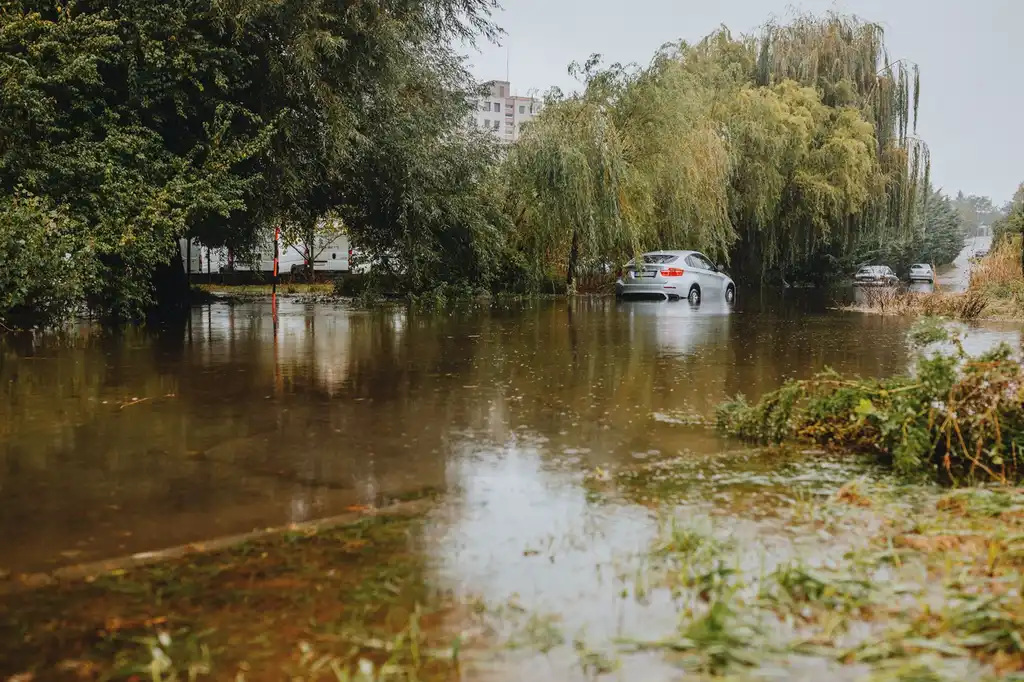
We repair water-damaged basement walls in houses across Newport, from single cracks to full wall sections. We dry the wall, fix the crack, and check the sump pump and drainage before we leave.
We work on basement walls in commercial and mixed-use buildings in Newport. We schedule around business hours and document the drying and repair for the property owner.
Basement wall water damage repair Newport KY is the process of stopping water intrusion through a foundation wall, drying the wall and surrounding structure, and restoring the wall to a sound, sealed condition. It is not just patching a crack and painting over it. Water moves through concrete and block by capillary action, so a wall that looks dry on the surface can hold moisture deep inside for weeks. We use a moisture meter and thermal imaging camera to map where the water actually is, then dry the wall cavity with air movers and a dehumidifier before any repair material goes on. Skipping that step traps moisture behind the patch and the problem comes back.
Most calls we get in Newport start with a homeowner finding damp drywall, a musty odor, or a white chalky deposit on the wall after heavy rain. The city sits close to the Ohio River, and older homes in The Point and along Bellevue Avenue deal with hydrostatic pressure pushing groundwater against basement walls every spring. If you search for water damaged basement wall repair Newport KY near me, you want someone who understands that the fix is a system, not a single crack. We inspect the wall, the floor joint, the window wells, and the sump pump discharge pipe, because the water you see on the wall usually enters somewhere else.
We dry the wall first, repair it second, and fix the water source last.
Every job follows the same sequence: find the water, dry the wall, repair the damage, seal it, and verify it is dry. Here is what you can expect from the first call to the final walkthrough.
We start with a boroscope inspection camera and a moisture meter to check inside the wall cavity. A thermal imaging camera shows us the cold spots where water is hiding. We check the floor joint, the window wells, and the sump pit. This takes 45 minutes to an hour, and you get a clear explanation of what we found before any work begins.
If there is standing water, we pull it with a truck-mounted water extractor or a portable extraction unit. Then we set air movers and a dehumidifier to dry the wall and the surrounding framing. Depending on how wet the wall is, this runs 2 to 4 days. We come back with a hygrometer to confirm the readings are back to normal before we close anything up.
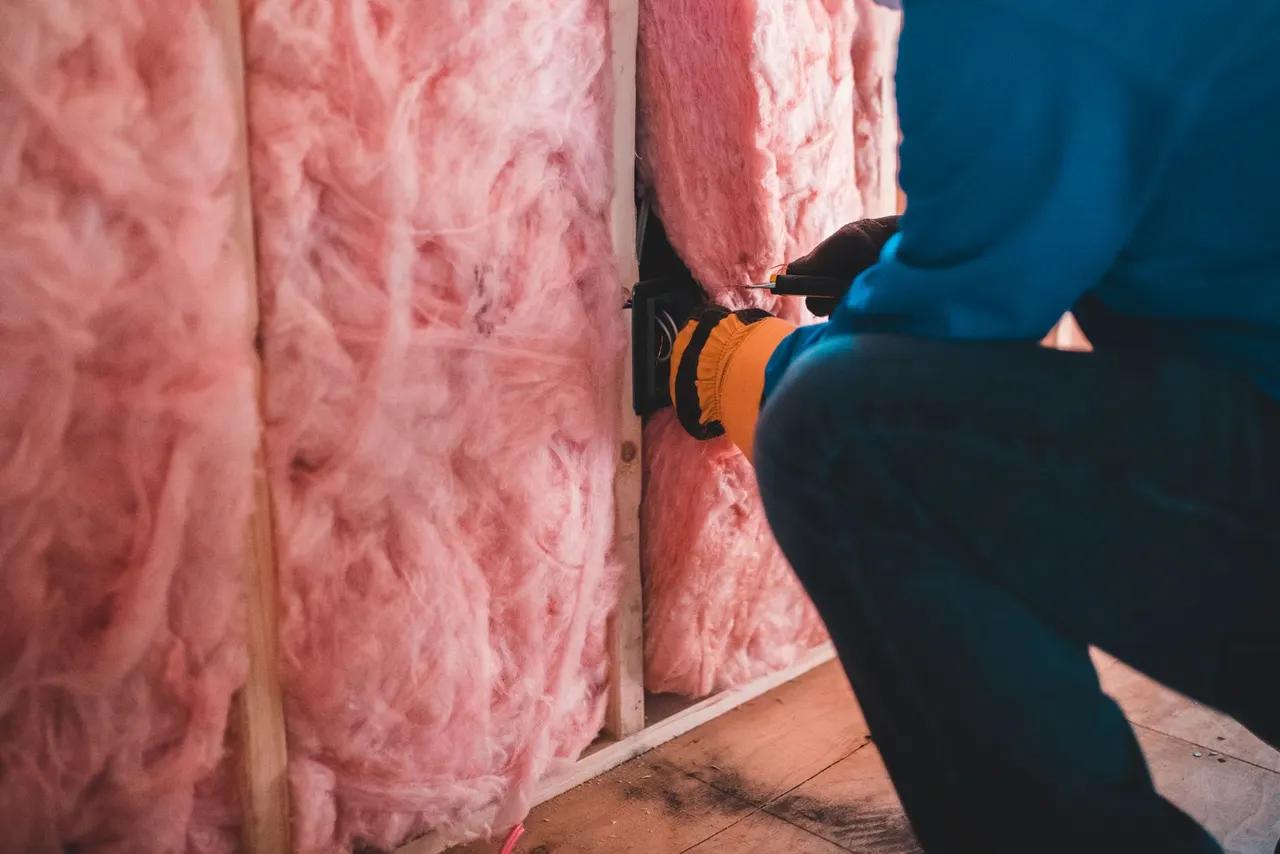
Once the wall is dry, we repair the damage. That means hydraulic cement for block wall cracks, epoxy crack filler for poured walls, and a polyurethane sealant at the cove joint where the wall meets the floor. If the drywall or baseboard is too far gone, we remove and replace it. We also replace any wet fiberglass insulation.
A wall repair without fixing the water source is a temporary fix. We check the gutter downspouts, the sump pump discharge pipe, and the window well drainage. If the grading slopes toward the house, we tell you. If the sump pump needs a repair or a new check valve, we handle it. This is the step that keeps the wall dry long term.
Before we pack up, we take moisture readings at the same spots we checked on day one and show you the numbers. We walk the basement with you, point out what we repaired, and explain what to watch for. You get a written summary of the work and the readings. If anything looks off in the next few weeks, you call us and we come back.
Shows temperature differences on the wall surface so we can see where water is hiding behind the drywall or inside the block. It turns an invisible problem into a visible map.
We use these to measure the moisture content in the wall and the air. The readings tell us when the wall is dry enough to repair and when it needs more drying time.
A small camera on a flexible probe lets us look inside the wall cavity without tearing it open. We use it to find cracks, wet insulation, and mold growth.
For standing water, this pulls hundreds of gallons fast. It is the quickest way to get the bulk water out of the basement before drying starts.
These dry the wall cavity and the surrounding structure. We position them to move air across the wet surfaces and pull the moisture out of the air.
When the basement is flooded, we drop a submersible pump in to clear the water. Brands like Zoeller, Wayne, and Liberty Pumps are what we install and service.
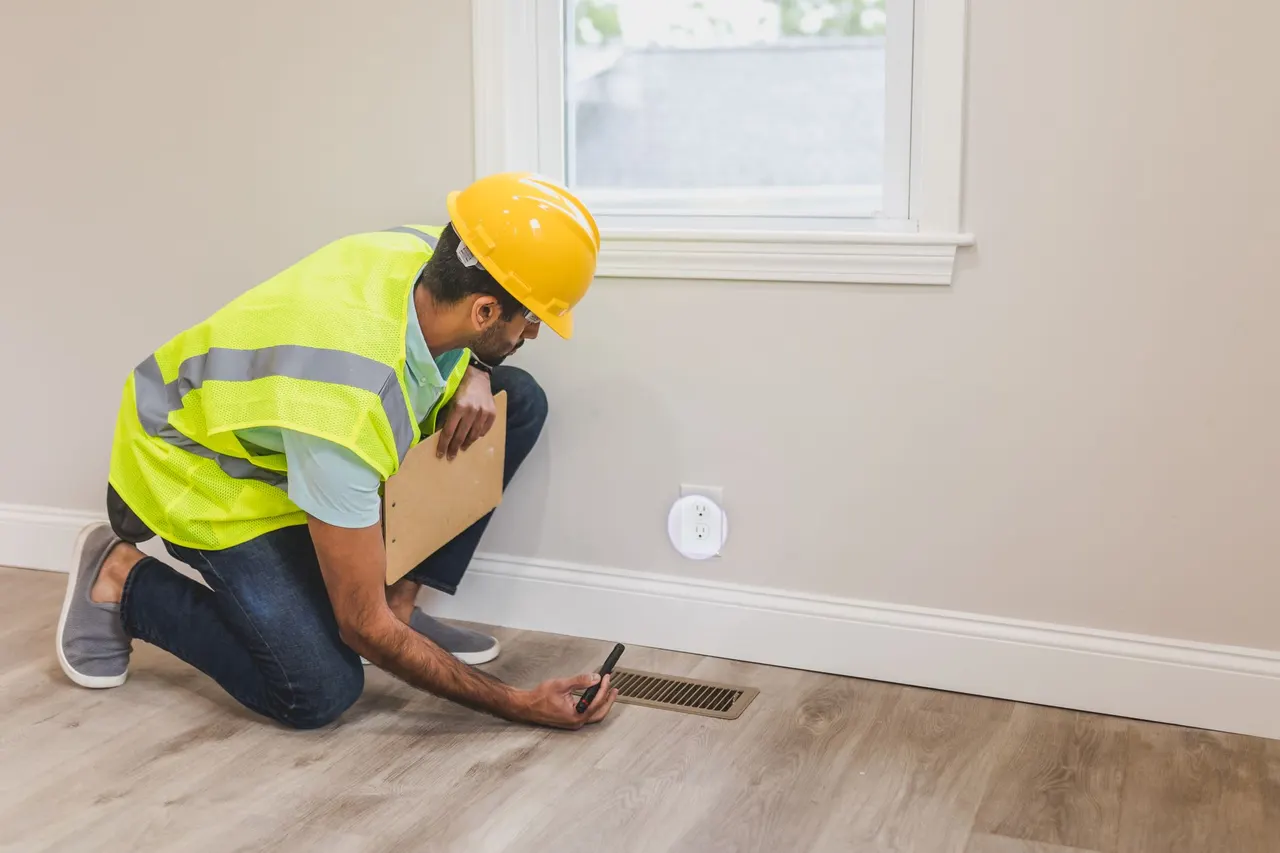
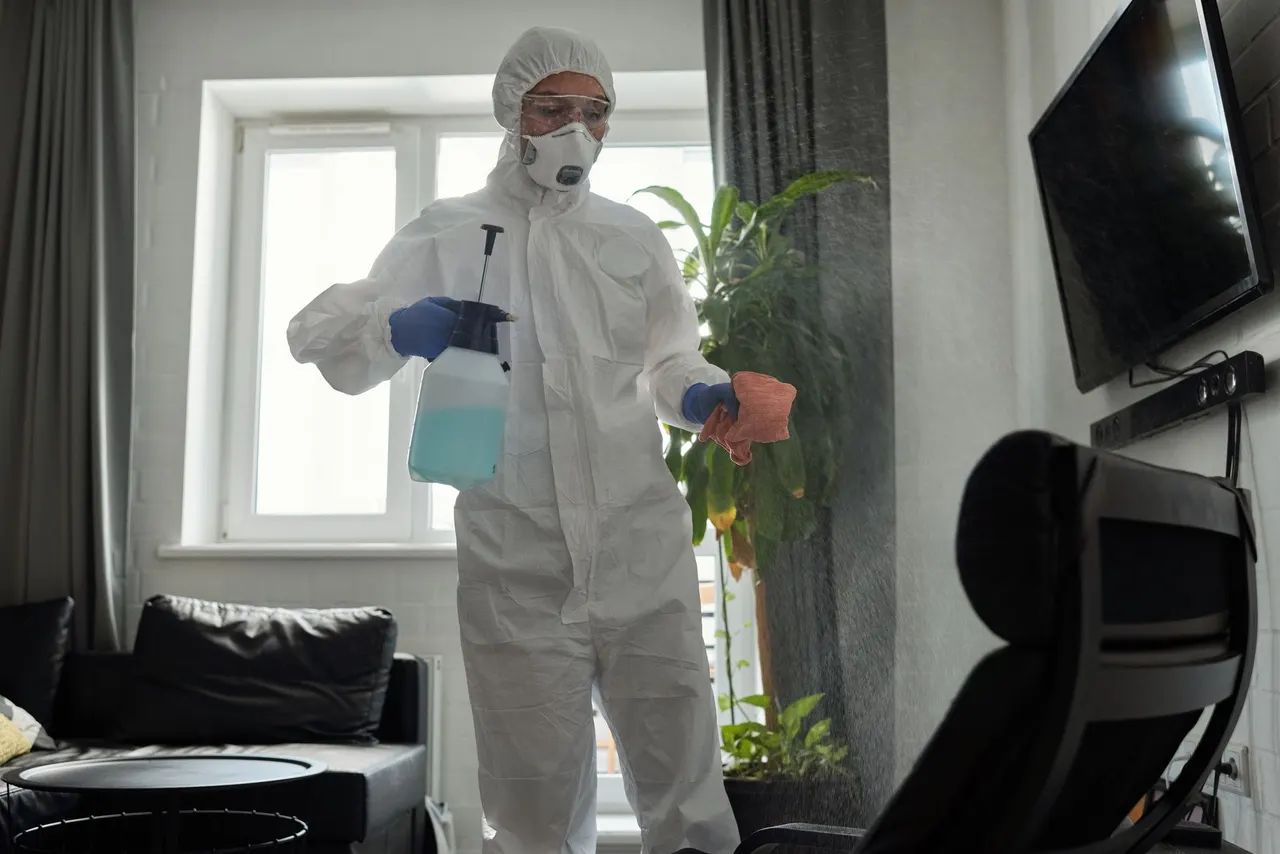
After the wall is dry and repaired, we use this to neutralize musty odors at the source. It is the last step before we call the job done.
We follow the IICRC S500 standard for water damage restoration, which sets the drying goals and the verification steps. It is why we do not seal a wall until the moisture readings are back to normal.
We inspect the wall with a moisture meter and thermal camera, dry the cavity, remove the wet drywall and insulation, repair the crack, and seal the wall. We also check the sump pump and the grading. The wall is dry, the smell is gone, and the basement is usable again. The repair is documented with before-and-after moisture readings.
We schedule an inspection between tenants, find the crack with a boroscope, dry the wall, and repair it. We document everything with photos and readings for the owner. The tenant stays, the owner avoids a mold claim, and the wall is sealed before the next storm season.
We test the pump, find a stuck check valve, and replace it. Then we dry the wall, repair the cracks, and seal the cove joint. We also check the discharge line for clogs. The pump cycles normally, the wall dries out, and the basement stays dry through the next rain.
That is efflorescence, a sign of water moving through the wall. We dry the wall, treat the surface, repair the cracks with hydraulic cement, and seal it. We also check the exterior grading. The wall stops weeping, the paint stays put, and the homeowner avoids a bigger repair down the road.
Newport sits right on the Ohio River, and that shapes everything about basement water problems here. The water table is high, and spring rains push hydrostatic pressure against foundation walls in The Point and along the riverfront. Older homes in Historic Hill and Bellevue Avenue often have stone or block foundations with mortar that has been wet for decades. Newer builds tend to have poured concrete walls with shrinkage cracks. We adjust the repair to the wall type. A block wall gets hydraulic cement and repointing. A poured wall gets epoxy injection. We also deal with Campbell County permit requirements when a repair crosses into structural work. If you are searching for professional basement wall repair in Newport, Kentucky, the key is matching the repair to the wall and the water source. We check the sump pump discharge pipe, the window wells, and the gutter downspouts on every job, because the wall is usually the symptom, not the cause.
A homeowner had water seeping through a block wall every time it rained. The drywall below the wall was stained and soft, and there was a musty smell. The moisture meter read 28 percent in the block.
We dried the wall for three days, removed the wet drywall and insulation, repaired the cracks with hydraulic cement, and sealed the cove joint. The final reading was 12 percent. Two storms later, the wall was still dry.
Keep the gutters clear and check the downspout discharge twice a year. Run the sump pump test cycle each spring before the rainy season.
A failed sump pump flooded a finished basement with two inches of water. The block walls were saturated up to 18 inches, and the carpet and baseboard were soaked.
We pumped the water, extracted the carpet, and dried the walls and floor for four days. We replaced the pump and check valve, repaired the wall cracks, and replaced the baseboard. The final moisture readings were normal.
Test the new pump monthly by pouring water into the pit. Replace the check valve every three to five years, and keep the discharge line clear of debris.
Water was wicking up from the floor joint and staining the bottom of the drywall. The wall itself tested dry above 12 inches, which told us the water was coming from the floor, not the wall.
We cleaned and sealed the cove joint with polyurethane sealant, dried the lower drywall, and replaced the damaged section. The wall stayed dry through the next spring rains.
Watch the joint after heavy rain for the first season. If you see moisture, call us before it spreads into the drywall again.
Most basement wall water damage in Newport comes from a handful of sources. Here are the ones we see most often and how we handle them.
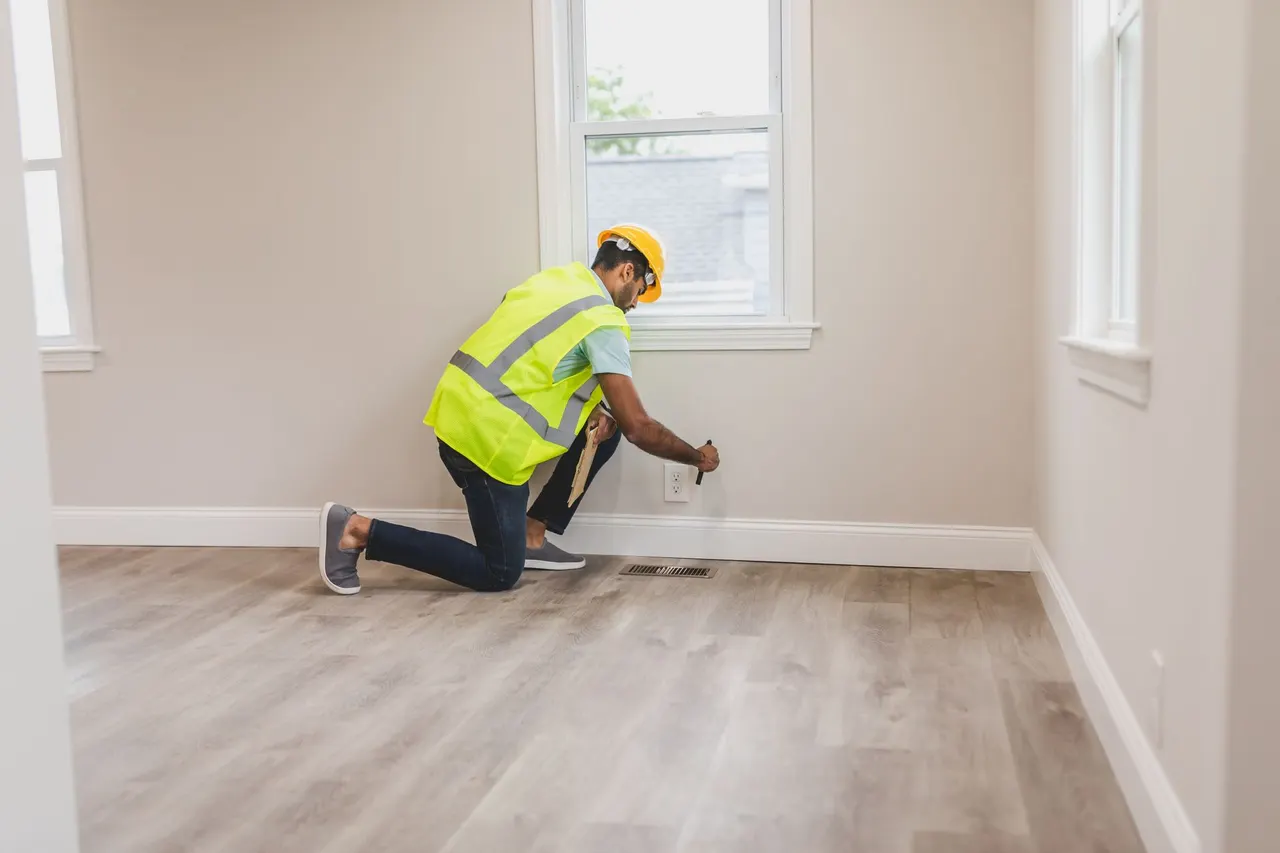
We dry the wall cavity, repair the cracks with hydraulic cement, and seal the surface. We also check the grading and downspouts, because a crack repair without fixing the water source will fail within a season. The wall stays damp for weeks, the mortar softens, and mold starts growing behind the drywall. If it freezes, the crack widens.
We seal the cove joint with polyurethane sealant and check whether a French drain or sump pump upgrade is needed to relieve the pressure. Sealing alone will not hold if the groundwater pressure is high. Water pools at the base of the wall and wicks up into the drywall and insulation. This is the most common cause of musty odors in Newport basements.
We pump the water, extract the rest, and dry the walls. Then we repair or replace the pump, test the float switch, and clear the discharge line. We also check the check valve so water does not flow back into the pit. The basement floods, the walls soak, and you are looking at extraction, drying, and wall repair all at once. Sewage backup makes it worse.

We clear the window well drain, check the gravel, and improve the drainage. If the well is undersized, we recommend a fix. Then we dry and repair the wall section that got wet. Water pours down the wall and saturates the drywall and framing below the window. It often goes unnoticed until the drywall stains.
We clear the gutters and downspouts and extend the discharge away from the house. It is a simple fix, but it stops a lot of wall damage before it starts. We check this on every inspection. Roof water lands right next to the basement wall and finds every crack. This is one of the easiest problems to prevent and one of the most common we see.
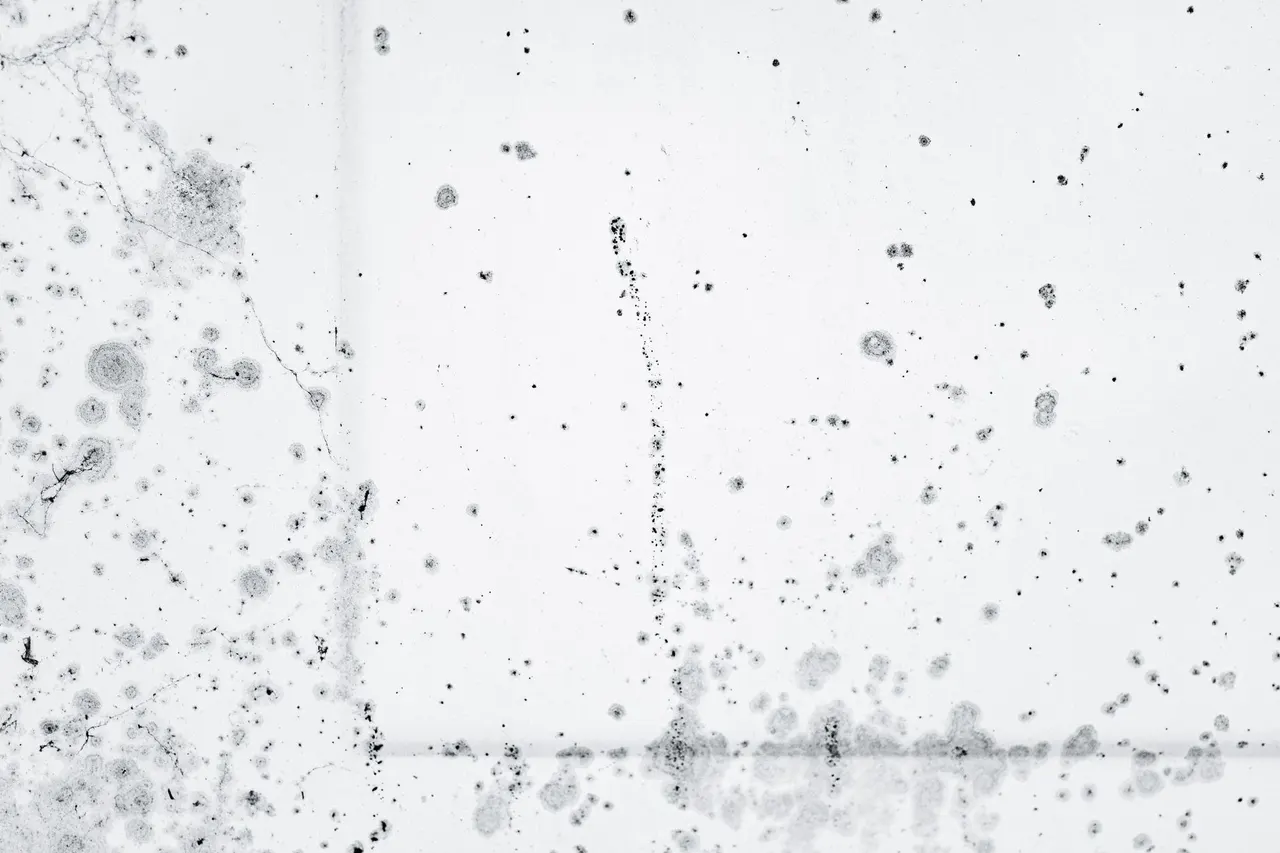
Mold can start growing on a wet wall surface in 24 to 48 hours. Once it gets into the drywall and fiberglass insulation, you are looking at removal and replacement, not just cleaning. We dry the wall fast and apply an antimicrobial solution so the spores do not get a foothold. Catching it in the first week saves thousands compared to a full gut-out.
Water that sits against a foundation wall weakens the mortar and speeds up spalling on block walls. In freeze-thaw cycles, water inside a crack expands and pushes the crack wider every winter. Repairing the wall and sealing it keeps the structure sound. We use hydraulic cement and epoxy crack filler on structural cracks, then a polyurethane sealant on the moving joints.
A finished basement with wet walls is a room you cannot use. Warped hardwood floors, stained carpet, and that smell that never goes away make the space a storage closet instead of living area. Once we dry and repair the walls, you get the room back. Most customers tell us the best part is not worrying every time it rains.
A failing sump pump or a backed-up floor drain sends water straight to your basement walls. We check the Zoeller or Liberty Pumps float switch, test the check valve, and clear the discharge pipe while we are there. If the pump is on its last legs, we tell you before it quits during the next storm. That one check has saved several Newport homeowners from a second flood.
Clear records you can keep and share.
What we will dry, repair, and seal.
Before-and-after numbers for the wall.
What was fixed and what to watch.
A wall that looks dry on the surface can hold water deep inside the block. We measure the moisture before we repair, because sealing a wet wall traps the problem.
The surface can feel dry while the core of the block is still wet. A moisture meter tells us the difference. We do not seal until the core reads normal.
A single crack leaks in one spot. A seep covers a wider area and usually means hydrostatic pressure. The repair is different for each one.
Water often enters at the joint where the wall meets the floor, not through the wall itself. We check that joint on every job before we quote a repair.
Outside these areas? Call and ask - we may still be able to help. +18598328132
Still wondering? +18598328132
Most residential repairs run $450 to $2,800 depending on how much of the wall is affected. A single crack injection with epoxy is on the low end. A full wall section with wet drywall, insulation removal, and drying equipment pushes toward the top. Sewage-contaminated water adds cost because of the sanitization step. We give you a written price after the inspection, before any work starts.
We do, and we are local to Campbell County. Our technicians are IICRC WRT and ASD certified, and we handle the drying, the repair, and the water source in one job. You are not coordinating three different contractors. Call +18598328132 and we will schedule an inspection, usually the same day for active leaks.
Plan on 3 to 6 days for most jobs. Drying takes 2 to 4 days on its own, and we will not seal a wall until the moisture readings are back to normal. The repair and sealing step is usually a single day. If the wall is dry when we arrive, we can sometimes finish in one or two days. We give you a timeline after the inspection.
Yes, in most cases. Concrete and block walls can be dried and repaired as long as the structural integrity is intact. We use hydraulic cement and epoxy crack filler for the cracks, then a polyurethane sealant at the floor joint. If the wall has significant movement or bowing, we will tell you and recommend a foundation specialist. The key is drying the wall fully before the repair goes on.
Water in your basement walls will not dry out on its own. Call +18598328132 and we will inspect the wall, show you the moisture readings, and give you a written price before we start. Same-day service for active leaks in Newport and Campbell County.
Reach us at +18598328132 any time, day or night. We answer emergency calls around the clock and schedule standard estimates during business hours. Tell us the water source, how deep it is, and whether it smells like sewage - that tells us what to bring. We serve all of Newport and Campbell County.